The “Ticking Time Bomb” in Your Car Interior: Why Technical Buyers are Dumping Old Synthetics for Shalite’s Silicone Upholstery Material
I’ve sat across the desk from enough procurement managers to know what keeps them up at night. It isn’t just the bottom line. It’s the fear of a massive recall. It’s the phone call from a Tier 1 supplier saying the latest batch of “vegan leather” is peeling off the seats of a new fleet after only six months in the Texas sun.
Let’s be honest: the automotive world has been stuck in a cycle of “good enough.” We’ve used PVC and PU because they were cheap and they looked okay in the showroom. But once that car hits the real world—with screaming kids, spilled lattes, and UV rays that could melt a lead pipe—those materials start to fail.
I’ve spent a lot of time looking at these failures under a microscope. And I’m telling you, Silicone Leather is the only thing moving the needle forward. At Shalite, we aren’t just making another fabric; we’re solving an engineering headache that has plagued car interiors for forty years.
The Chemistry of “Why It Doesn’t Quit”
You don’t need a PhD to understand why most synthetic leathers fail. They rely on carbon bonds. Carbon is okay, but it’s weak against the elements. Oxygen, heat, and light eventually rip those bonds apart. That’s why your old seats get brittle and start to flake like a bad sunburn.
Shalite’s Silicone-Based Leather is built differently. We use a silicon-oxygen backbone. Think of it like this: carbon-based plastics are like a wooden fence—eventually, they rot. Silicone is like a brick wall. It’s a Durable Silicone Leather that doesn’t care about the heat.
I’ve seen our material baked in ovens at 200°C and frozen in labs to -50°C. Do you know what happens? Nothing. No cracking. No melting. That’s the kind of stability a Silicone Leather Manufacturer provides when you’re building for the long haul.
Comparison: Why Your Current Material is Falling Short
| The “Stink” (VOCs) | High. That “new car smell” is actually gas. | Zero. It’s odorless. |
| Sunlight Damage | Yellows and cracks within 2 years. | Stays soft for a decade. |
| Spill Recovery | Ink and denim dye leave permanent ghosts. | Wipes clean with a damp cloth. |
| Manufacturing | Needs heavy solvents and plasticizers. | Solvent-free and eco-friendly. |
Stop Paying for the “New Car Stink”
I’ve had technical buyers ask me, “Why does our cabin air quality rating keep dropping?” The answer is simple: your seats are off-gassing. Those traditional covers are loaded with phthalates.
Shalite offers a Low-VOC Upholstery Material that actually lets you breathe. Because we don’t use solvents like DMF in our Silicone Leather Factory, there’s nothing to evaporate into the cabin. This isn’t just “green” marketing fluff—it’s a critical safety feature for the next generation of family vehicles. It’s PVC-Free Silicone Leather, which means you’re dodging a regulatory bullet from agencies like REACH and RoHS.
The “Denim Nightmare” and the Easy-Clean Solution
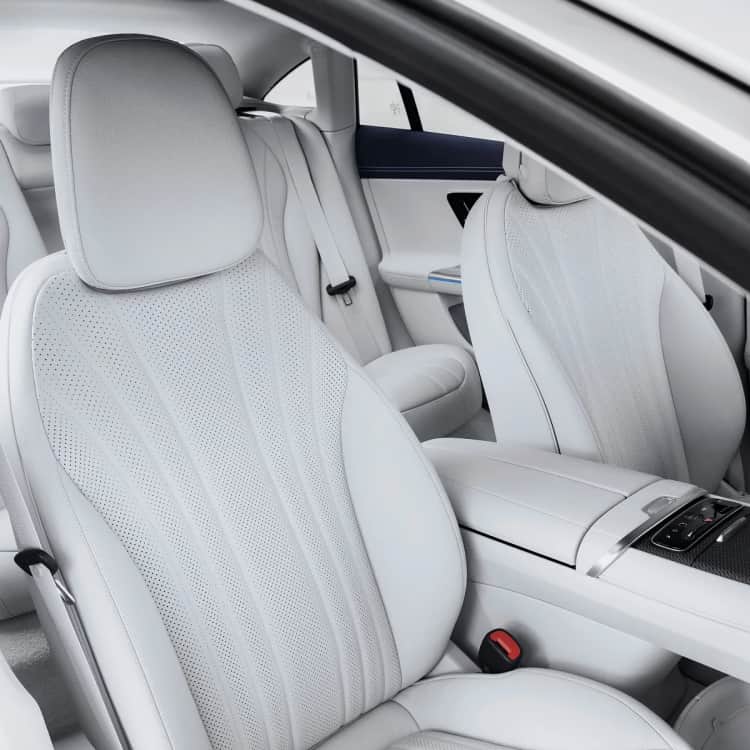
If you’ve ever worked in a dealership, you know about “Blue Jean Transfer.” A customer buys a car with beautiful white seats, wears new jeans, and within a week, the seats are blue. With PU leather, that dye is permanent. You might as well replace the seat.
But here’s the kicker: Easy-Clean Silicone Leather doesn’t let the dye in. The surface of our Silicone Coated Fabric is so chemically stable that even permanent marker struggles to stick. I’ve personally taken a Sharpie to a sample of our Performance Upholstery Material and wiped it off with nothing but a little rubbing alcohol. No ghosting. No damage.

Why Factories Love Working with Shalite
I know how a production line works. You don’t want a material that’s finicky. You need consistency. If the roll of fabric varies in thickness by even a fraction of a millimeter, your automated cutters are going to have a bad day.
As a Silicone Leather Supplier, Shalite focuses on the “boring” stuff that makes your life easier:
Uniformity: Every yard of our Silicone Coated Textile is checked for consistent gauge.
Customization: Need a specific grain or a wild color for a limited edition trim? Our OEM Silicone Leather team can match it.
Weldability: Our materials work beautifully with high-frequency welding and standard industrial sewing.
Whether you’re looking for Custom Color Silicone Leather or a specific Custom Texture Silicone Leather, we make sure the material behaves exactly how your engineers expect it to.
The Sustainability Truth
Let’s talk about being “green.” Most “vegan leathers” are just plastic. They come from oil and they end up in a landfill where they’ll sit for a thousand years.
Shalite’s Eco-Friendly Silicone Leather is a bit different. Silicone is derived from silica (sand). We aren’t pumping oil to make your seat covers. Plus, because it lasts twice as long as PU, you aren’t replacing it nearly as often. That is true sustainability. It’s an Eco-Friendly Leather Alternative that actually holds up its end of the bargain.
Putting the Data to the Test
I don’t expect you to take my word for it. Look at the numbers. We put our Abrasion-Resistant Silicone Leather through the ringer.
Performance Metrics for Shalite Automotive Series
| Martindale Abrasion | 50,000 Cycles | 200,000+ Cycles |
| UV Resistance (QUV) | 500 Hours | No Change (Grade 5) |
| Hydrolysis Resistance | 5 Weeks (Jungle Test) | 14+ Weeks (No peeling) |
| Flame Retardancy | FMVSS 302 | Pass (Inherent) |
Dealing with the Heat: An EV’s Best Friend
Electric vehicles (EVs) have a unique problem. They often have giant glass roofs. This turns the car into a greenhouse. I’ve seen interior temps hit 70°C (158°F) in parked cars. Standard vinyl will start to release a “fog” that coats the inside of the windows.
Shalite’s Silicone Leather for Upholstery doesn’t fog. It doesn’t break down in that heat. And because silicone has low thermal conductivity, it doesn’t burn your legs when you sit down on a hot day. It’s a Soft-Touch Silicone Leather that stays comfortable even when the sun is trying its best to bake the interior.
FAQs from the Procurement Desk
Q: Is it more expensive than PU?
Upfront? Yes. But I always ask my clients: “What does a warranty claim cost you?” When you factor in the zero-failure rate and the lack of replacements, Wholesale Silicone Leather is actually the cheaper option over the life of the vehicle.
Q: Can we get it in different weights?
Absolutely. We produce everything from lightweight Silicone Leather for Gloves to heavy-duty Furniture Silicone Leather. For automotive, we usually recommend a 1.0mm to 1.2mm thickness for the best balance of drape and durability.
Q: Does it feel like plastic?
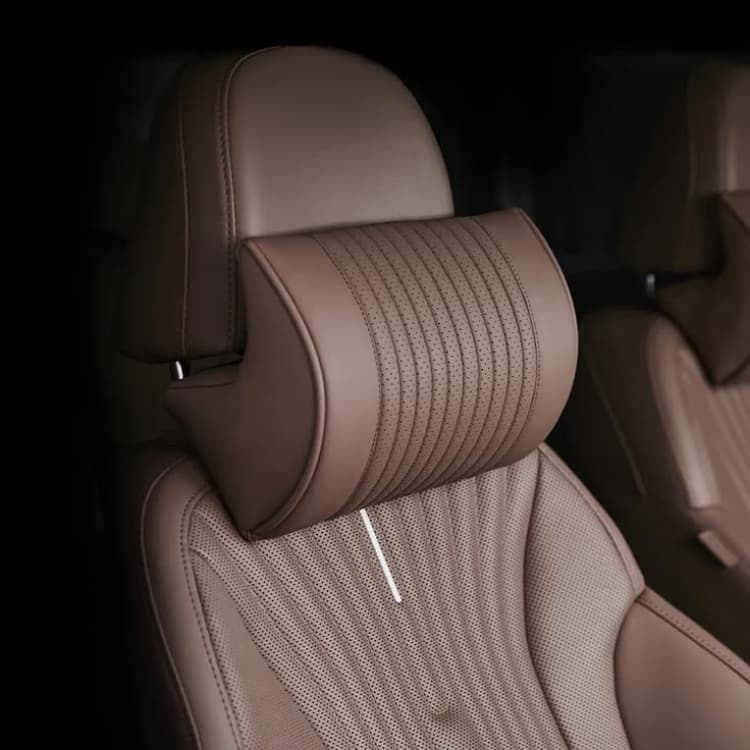
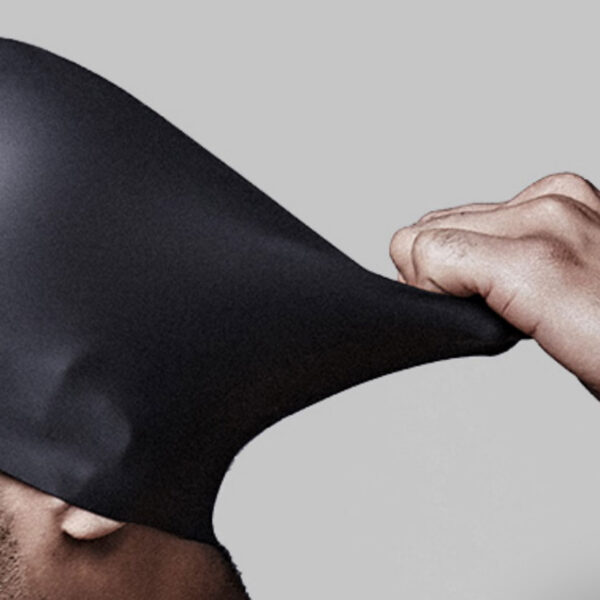
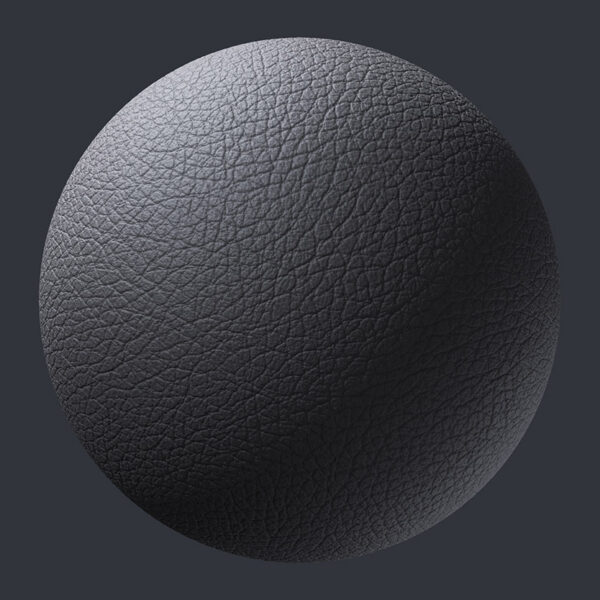
Not at all. One of the biggest surprises for people touching Shalite for the first time is how “skin-like” it feels. It has a premium, matte finish that doesn’t have that “sticky” vinyl feel.
Q: Is it really pet-friendly?
I’ve got a dog, and I can tell you—nails are the enemy of seats. Our Silicone Leather Material is incredibly puncture-resistant. It’s the same stuff we use for Outdoor Silicone Leather, so it can handle a lot of abuse.
Q: How do we start a custom order?
The best way is to reach out through our OEM Silicone Leather portal. We can send out a sample kit so your design team can actually feel the difference.
The Bottom Line
I know you have a lot of choices when it comes to Silicone Leather Products. But if you’re looking for a partner that understands the technical rigors of the automotive industry, Shalite is the name you need to know.
We’re moving past the era of disposable interiors. We’re building seats that last as long as the engine—or the battery pack. If you’re ready to stop worrying about peeling, smelling, and staining, it’s time to make the switch to Silicone Upholstery Material.
Give your customers an interior that actually stays beautiful. They’ll thank you for it, and your warranty department will too.