The “Coffee-Spill” Tax: Why Procurement Managers Are Dumping PU for Silicone Leather
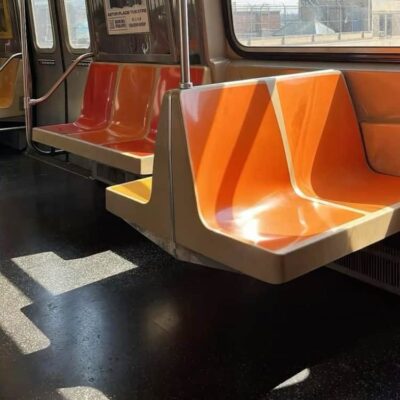
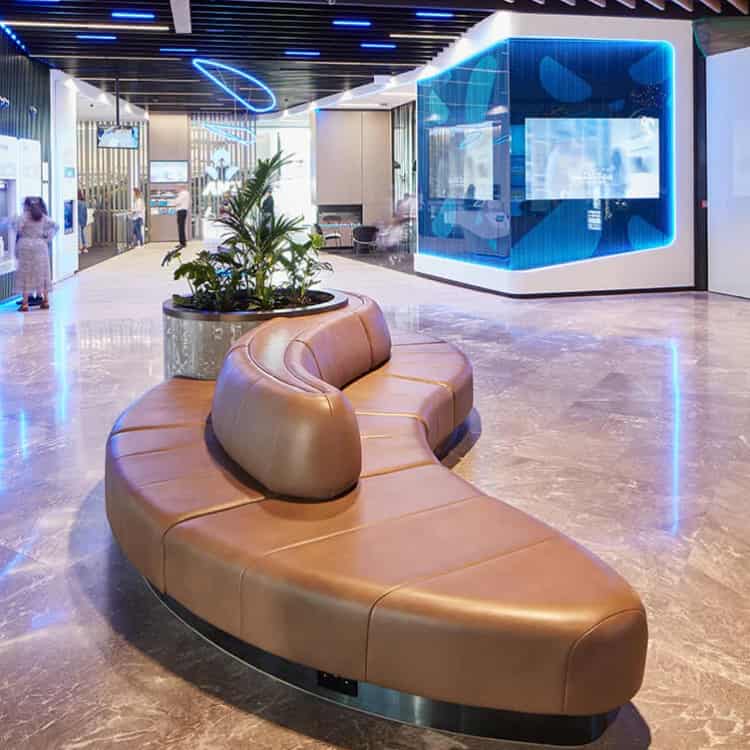
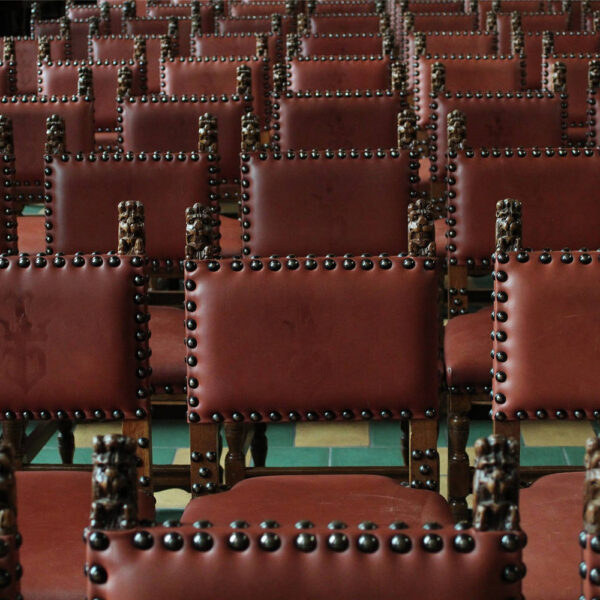
Walk into any international airport terminal at 3:00 AM. Look past the weary travelers and focus on the chairs. If those seats are covered in standard polyurethane (PU) or vinyl, you’re likely looking at a graveyard of stains, cracks, and peeling “skin.” For a procurement manager, that sight isn’t just ugly—it is the smell of a shrinking budget.
I’ve spent years looking at how materials behave in high-stress environments. I’ve seen the “miracle fabrics” that fall apart after six months of heavy use. But something has shifted recently in the way we approach public seating textiles. We’re moving away from cheap plastics and toward high-performance Silicone Coated Fabric.
At Shalite, we’ve watched this evolution closely. The industry is finally realizing that “cheap” materials are actually the most expensive ones you can buy when you factor in the replacement cycle.
The Problem with the Status Quo
Traditional public seating usually relies on PVC or PU. These materials look great on a showroom floor yet they fail the moment they hit the real world. Why? Because they are chemically fragile.
PU leather relies on a process called hydrolysis. Over time, moisture in the air breaks down the chemical bonds. The result is that “peeling” look you see on old office chairs. PVC is even worse because it requires plasticizers to stay flexible. Those chemicals eventually leach out and leave the material brittle and prone to cracking.
Then there is the stain issue. Most synthetic leathers have a high surface energy. This means they practically “invite” ink and coffee to stay. Once a denim-clad traveler sits down, the indigo dye from their jeans migrates into the seat. Good luck getting that out without a gallon of harsh chemicals.
Why Silicone Leather Material Changes the Math
I often tell technical buyers to think of silicone as an inorganic shield. Unlike PU, which is organic and carbon-based, silicone is derived from sand (silica). It doesn’t care about UV rays and it certainly doesn’t care about your morning latte.
Here is a breakdown of why this matters for high-volume production:
1. The “Wipe-and-Forget” Cleaning Cycle
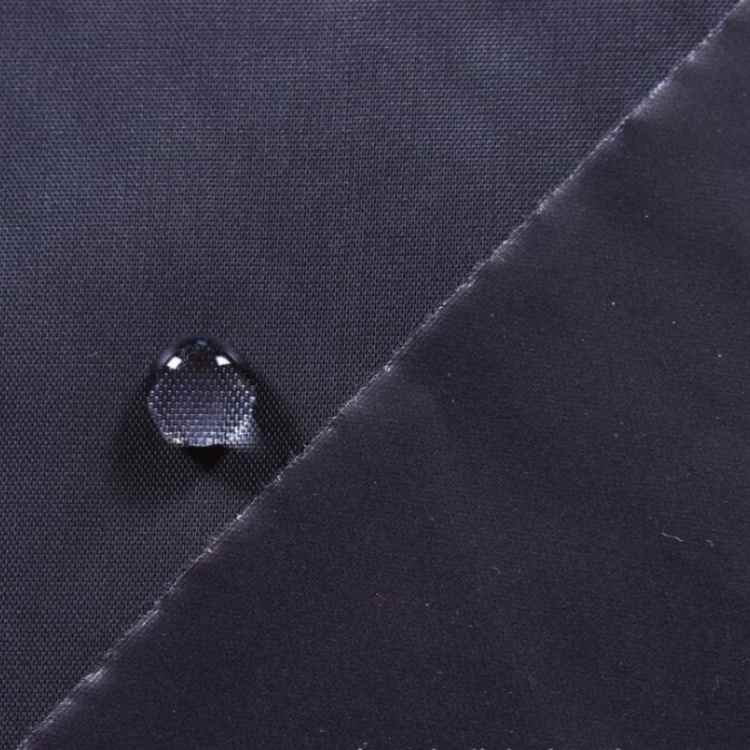
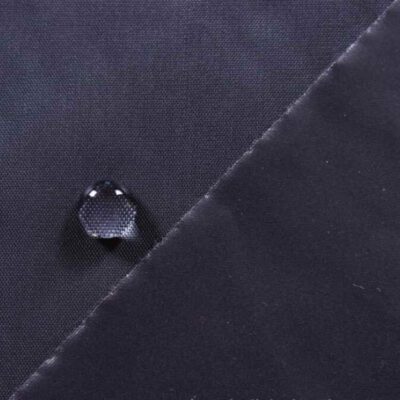
Shalite’s Anti-Stain Coated Textile for Public Seating has a naturally low surface energy. If someone draws on it with a permanent marker, you don’t need a specialized cleaning crew. A simple cloth and some water—or maybe a bit of rubbing alcohol for the tough stuff—will do the trick. For a facility manager, this cuts labor costs by half.

2. Durability That Defies Logic
In the textile world, we talk about the “Wyzenbeek” test. It’s a machine that rubs cotton duck back and forth over a fabric until it fails. Most commercial fabrics hit 30,000 or 50,000 rubs and call it a day. Durable Silicone Leather from Shalite can breeze past 200,000 double rubs without showing its age.
3. Chemical Immunity
In a post-pandemic world, hospitals and airports are obsessed with disinfection. They use bleach, hydrogen peroxide, and high-strength alcohol. These chemicals destroy PU leather. They make it turn yellow and crack. But Silicone Coated Textile is chemically inert. You can douse it in disinfectants all day and it won’t blink.
A Comparative Look at Performance
If you’re a technical buyer, you need the numbers. I’ve compiled this data from various stress tests to show how Shalite’s material stacks up against the “old guard.”
| Surface Energy | Extremely Low | Medium-High | High |
| Hydrolysis Resistance | 10+ Years | 2-5 Years | N/A (Cracks instead) |
| UV Stability | Excellent (No yellowing) | Poor to Fair | Fair |
| Flame Retardancy | Naturally High | Needs Additives | High (but toxic smoke) |
| Eco-Status | PVC-Free | Uses Solvents | Contains Phthalates |
Data Source: Internal lab testing and ISO 14184-1 standards for solvent-free analysis.
The Sustainability Narrative (That Actually Saves Money)
We hear a lot about “eco-friendly” materials but often they are just expensive marketing gimmicks. Silicone is different. It is an Eco-Friendly Leather Alternative because it doesn’t use solvents like DMF (Dimethylformamide) during production.
If you are a manufacturer, using Low-VOC Silicone Leather means your factory isn’t dealing with toxic off-gassing. It also means you are compliant with REACH and RoHS standards from day one. There are no hidden “compliance costs” or fines to worry about.
Furthermore, the longevity of the material means fewer seats end up in a landfill every five years. That is a sustainability story that actually makes sense on a balance sheet.
The Procurement Manager’s Perspective: ROI
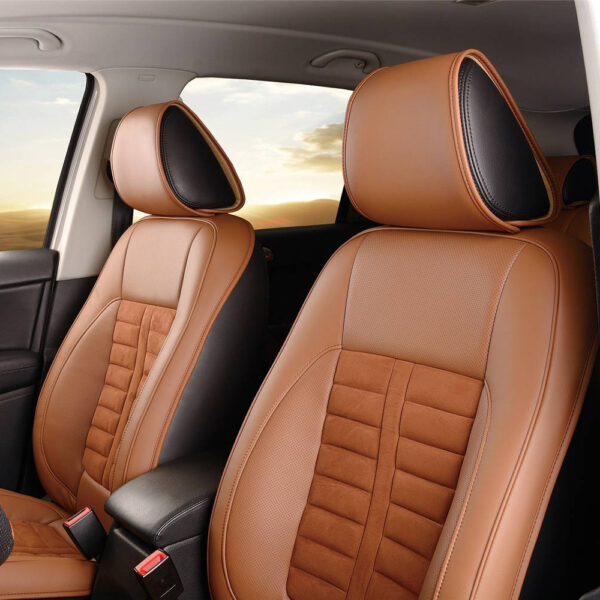
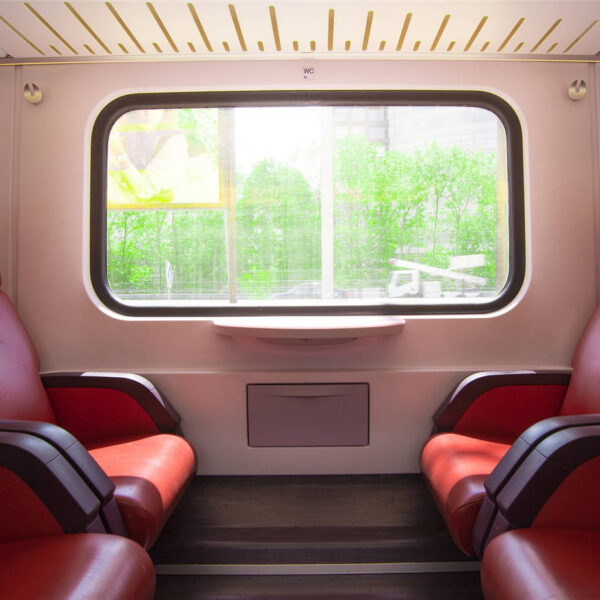
I spoke with a procurement head for a regional rail line last year. He was tired of re-upholstering his fleet every 36 months. He switched to Silicone Leather for Upholstery and the results were immediate.
“The upfront cost was about 20% higher than the vinyl we used to buy,” he told me. “But we haven’t replaced a single seat cover in four years. We’ve already saved the initial price difference three times over in labor and material savings.”
This is why I advocate for looking at the Total Cost of Ownership (TCO) rather than the initial PO price.
Why Shalite?
As a Silicone Leather Manufacturer, Shalite focuses on the high-volume needs of factories and OEMs. We don’t just sell rolls of fabric; we provide a custom service.
Custom Color Silicone Leather: We can match any brand identity.
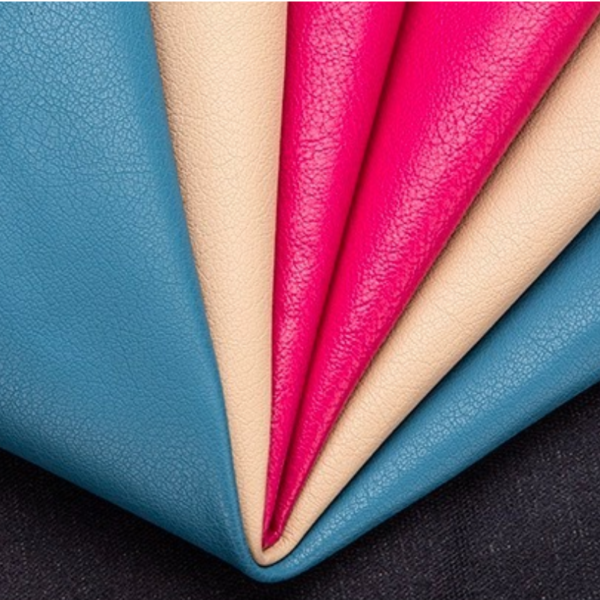
Custom Texture Silicone Leather: From smooth to pebbled, we can create the haptic experience you want.
Technical Support: We help your engineering team understand how to sew and bond the material for maximum efficiency.
Case Study: The Healthcare Environment
Hospitals are perhaps the most demanding environment for any textile. Blood, urine, Betadine, and constant scrubbing with bleach will kill almost any fabric.
A hospital group recently tested our Silicone Leather for Upholstery in their waiting rooms. They found that even after 18 months of 24/7 use and aggressive disinfection protocols, the material looked brand new. The Abrasion-Resistant Silicone Leather didn’t just survive; it thrived. This performance is why we are seeing a massive shift toward PVC-Free Upholstery Material in the medical sector.
The Bottom Line
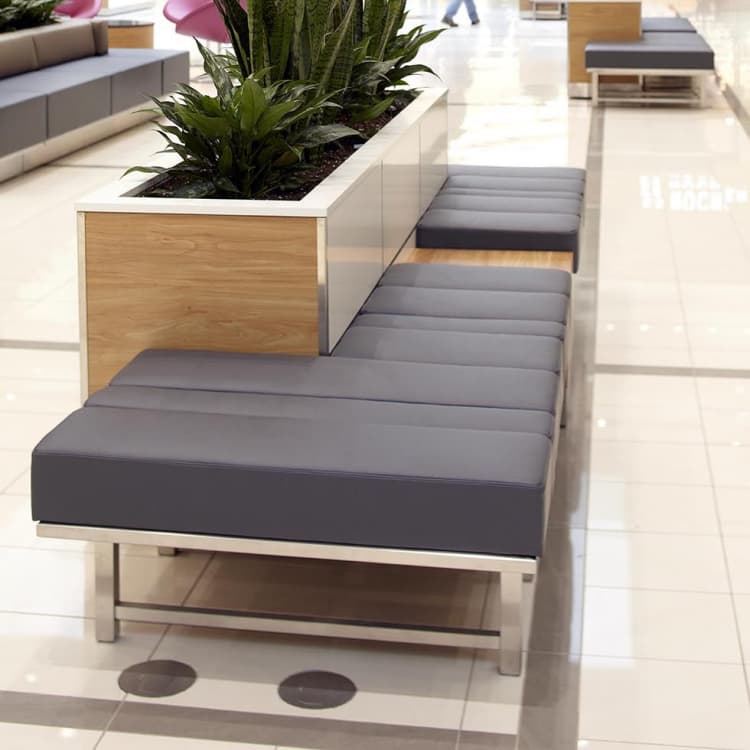
If you are responsible for buying or manufacturing public seating, you have a choice. You can keep buying the same “standard” materials and keep dealing with the same “standard” complaints. Or you can look at the science.
Silicone-Based Leather isn’t just a trend. It is a fundamental improvement in material science. It’s softer to the touch yet it’s tougher than anything else on the market. It’s cleaner for the environment and it’s better for your long-term budget.
Don’t let a “cheap” textile drain your maintenance budget. It’s time to switch to a material that can actually handle the public.
FAQ: Everything You Need to Know
1. Is Silicone Leather expensive?
While the initial purchase price is higher than low-end PU or PVC, the long-term cost is significantly lower. You save on cleaning chemicals, labor, and you won’t need to replace the seats for a decade.
2. Does it feel like rubber?
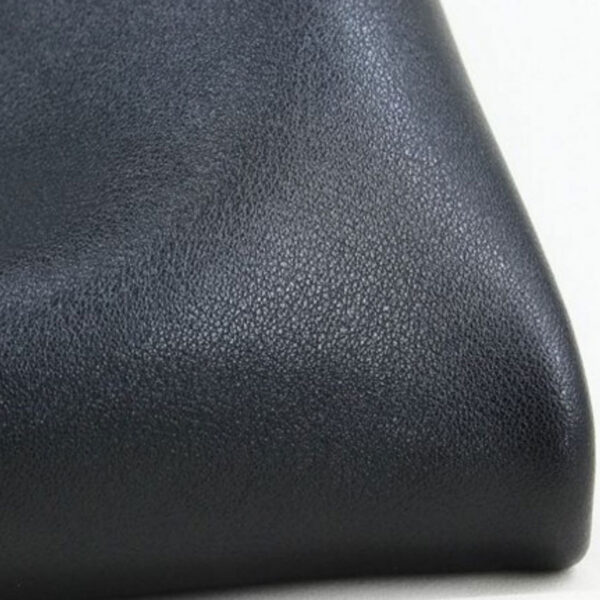
Not at all. High-quality Soft-Touch Silicone Leather has a premium, buttery feel that is often indistinguishable from high-end calfskin. It’s also more breathable than most synthetic options.
3. Can it be used for outdoor seating?
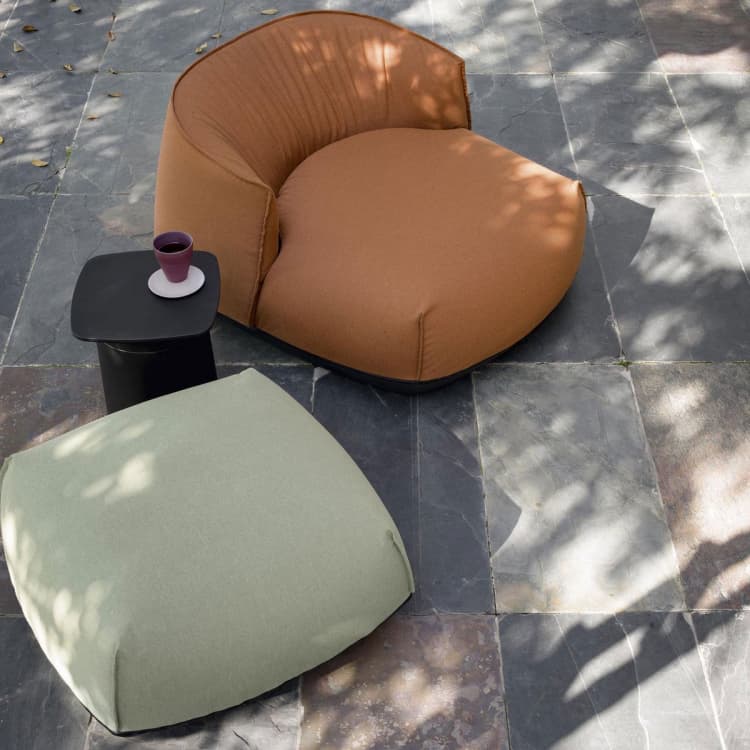
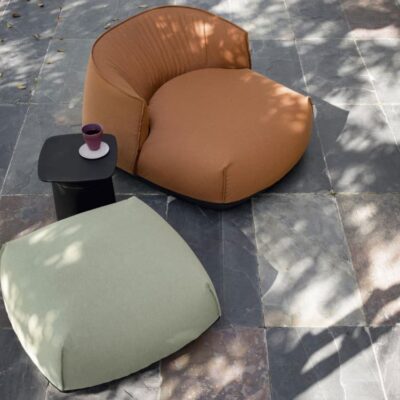
Absolutely. Outdoor Silicone Leather is incredibly UV-resistant. It won’t fade or become brittle even after years of exposure to sun and rain.
4. Is it safe for the skin?
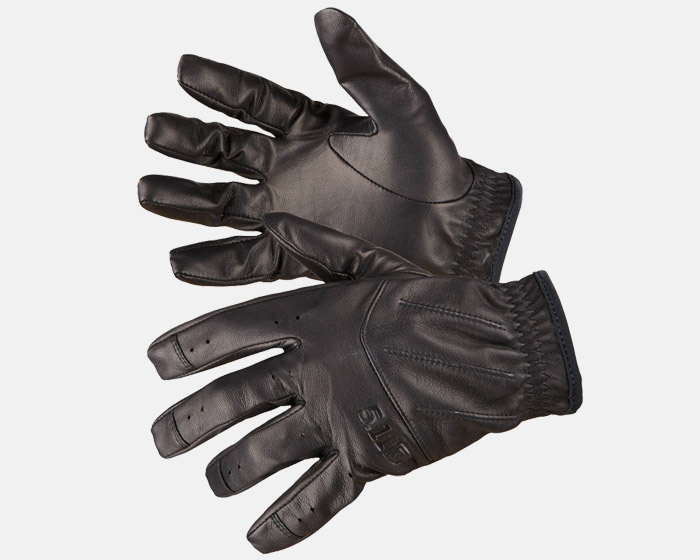
Yes. Silicone is used in medical devices and baby bottle nipples. It is hypoallergenic and contains no harmful chemicals. This makes it ideal for Silicone Leather for Gloves or any surface with direct skin contact.
5. How does it handle fire safety?
Silicone is naturally flame-retardant. It has a high oxygen index so it doesn’t ignite easily. When it does burn, it doesn’t release the toxic, black smoke that PVC produces.