The “Soft Touch” Revolution: Why Smart Garment Buyers Are Ditching PU for Shalite’s New Silicone Leather
Let’s get real for a minute. If you’ve spent any time on a factory floor or in a procurement office, you’ve seen the “synthetic leather cycle.” A supplier brings you a sample of PU. It looks great. It feels okay. Then, six months later, you’re dealing with a mountain of returns because the jackets are peeling like a bad sunburn. Or worse, the material smells so much like a chemical plant that you can’t even get it past customs without a headache.
For the folks who actually run high-volume production, “softness” is a tricky beast. Usually, if a material is soft, it’s weak. If it’s tough, it’s as stiff as a piece of cardboard.
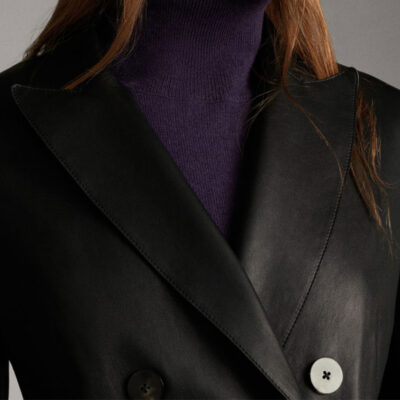
But Shalite’s Super Soft Silicone Upholstery Material is breaking that rule. We aren’t talking about another “fake leather” here. This is a molecularly engineered silicone leather designed specifically for the garment industry. It’s the kind of material that makes a procurement manager look like a hero and a designer look like a genius.
The Science of “Wow”: How It Actually Feels
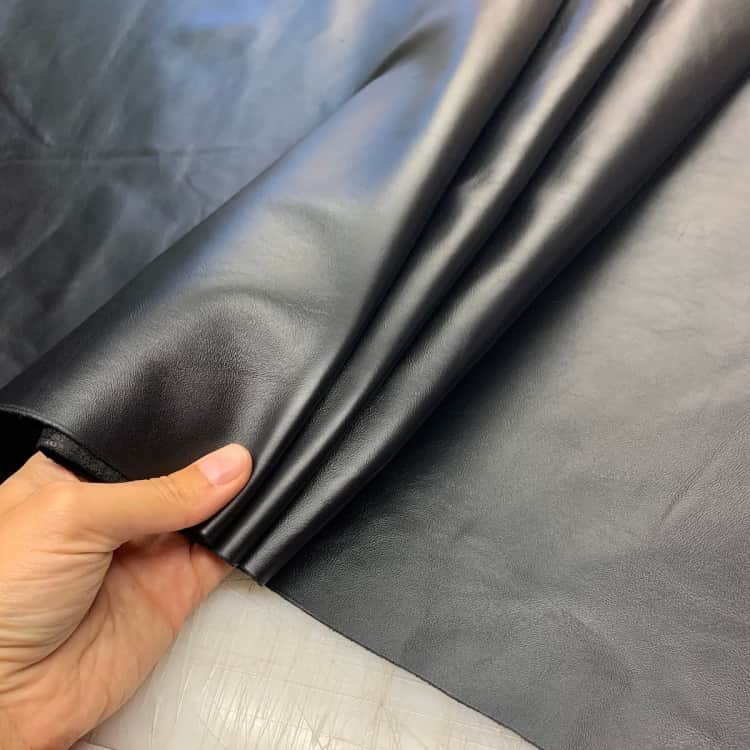
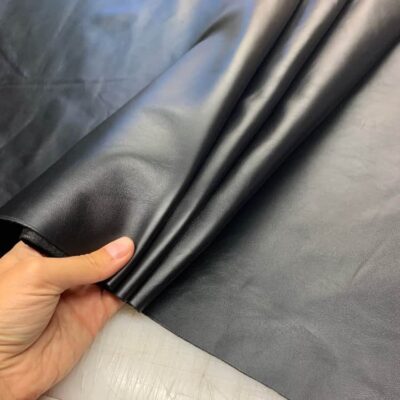
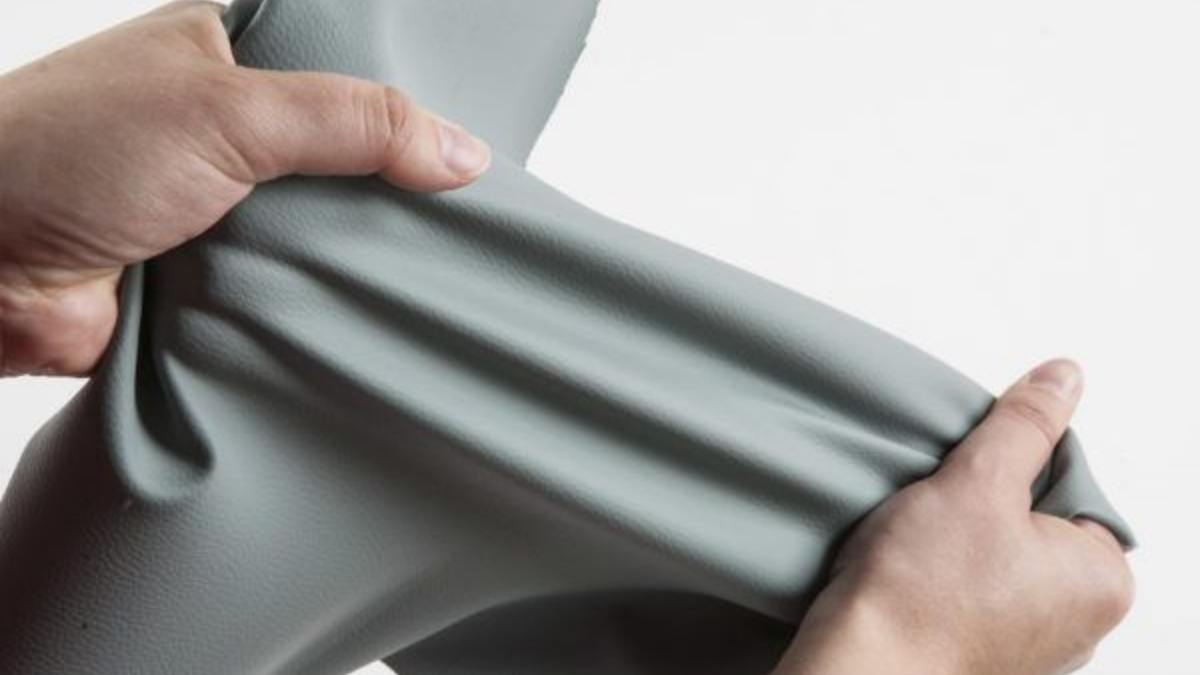
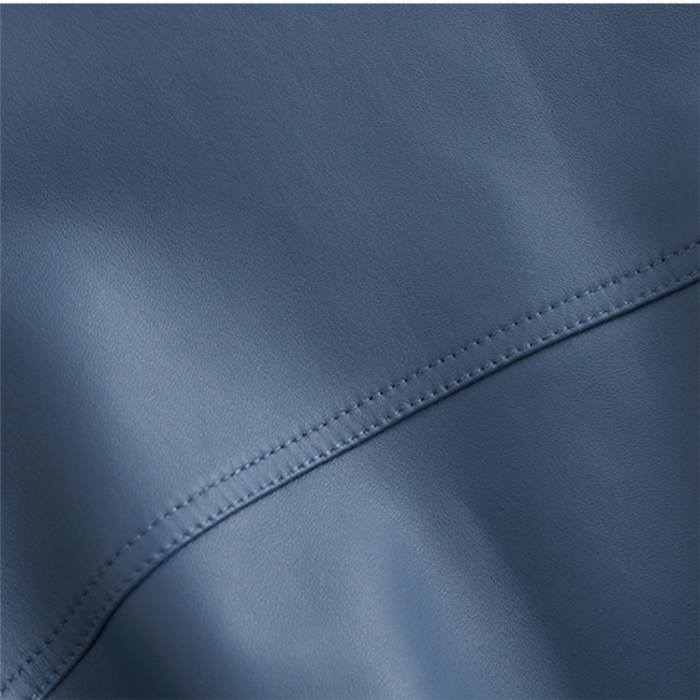
Most people hear “silicone” and think of kitchen spatulas or phone cases. That’s a mistake. When you touch a piece of Shalite silicone leather material, your brain gets confused for a second. It has the buttery, expensive “hand” of a $500 lambskin hide but it’s 100% vegan.
Traditional silicone-based leather used to be a bit rubbery. It had this annoying “grip” to it. If you tried to wear a jacket made of the old stuff, you’d feel like you were trapped in a balloon. Shalite fixed that. By tweaking the silicone coated fabric process, they created a surface that is silky, dry, and incredibly supple.
Why it’s a game-changer for your factory:
The Drape Factor: It doesn’t “tent” or bunch up awkwardly at the seams.
Thermal Stability: It doesn’t get sticky in the heat or crack when the temperature drops.
Zero Off-gassing: It doesn’t have that “new car smell” (which is actually just toxic chemicals leaving the fabric).
Technical Specs: Beyond the Marketing Fluff
I know what a technical buyer wants. You don’t want poetry; you want data. You want to know if this stuff will survive 50,000 rubs and a spilled cup of coffee.
Check out how durable silicone leather stacks up against the old-school options.
The Material Showdown
| Martindale Abrasion | 200,000+ Cycles | 40,000 Cycles | 15,000 Cycles |
| Peeling/Hydrolysis | Never (10+ Year Guarantee) | 2-3 Years | 1-2 Years |
| Chemical Safety | PVC-Free / Zero VOC | Uses Solvents (DMF) | Heavy Phthalates |
| UV Resistance | Grade 4.5 (Top Tier) | Grade 3 (Fades) | Grade 2 (Yellows) |
| Cleaning | Wipe with water/alcohol | Needs special cleaners | Stains easily |
The numbers don’t lie. When you choose an abrasion-resistant silicone leather, you’re buying peace of mind. You’re ensuring that your garments don’t end up in a landfill after one season of wear.
The Compliance Headache (And How to Cure It)
If you’re shipping to Europe or the US, you know the nightmare of REACH and OEKO-TEX audits. Environmental regulators are getting aggressive and they’re coming for the solvents used in PU leather.
Most synthetic leathers use Dimethylformamide (DMF). It’s nasty stuff. But eco-friendly silicone leather is produced in a totally different way. It’s a solvent-free process.
By switching to PVC-free upholstery material, you aren’t just being nice to the planet. You are protecting your supply chain from future bans and legal red tape. It’s smart business.
Can You Actually Clean It?
I’ve seen it happen a thousand times. A beautiful white leather bag gets a denim stain or a pen mark and it’s ruined. Forever.
Shalite’s easy-clean silicone leather is basically magic in this department. Because silicone has such low surface tension, things just don’t stick to it. You can take a permanent marker to a piece of this silicone upholstery material and wipe it off with a little bit of rubbing alcohol. No ghosting. No damage. No drama.
Where Should You Use This Stuff?
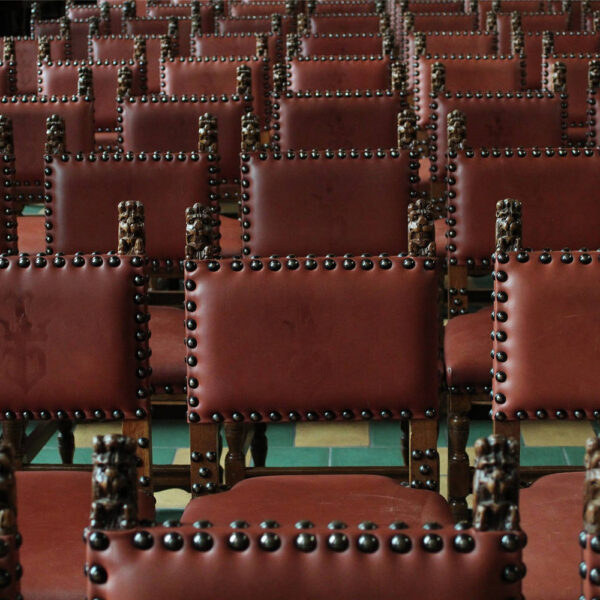
Tough enough for furniture, yet soft enough to transform the apparel world.
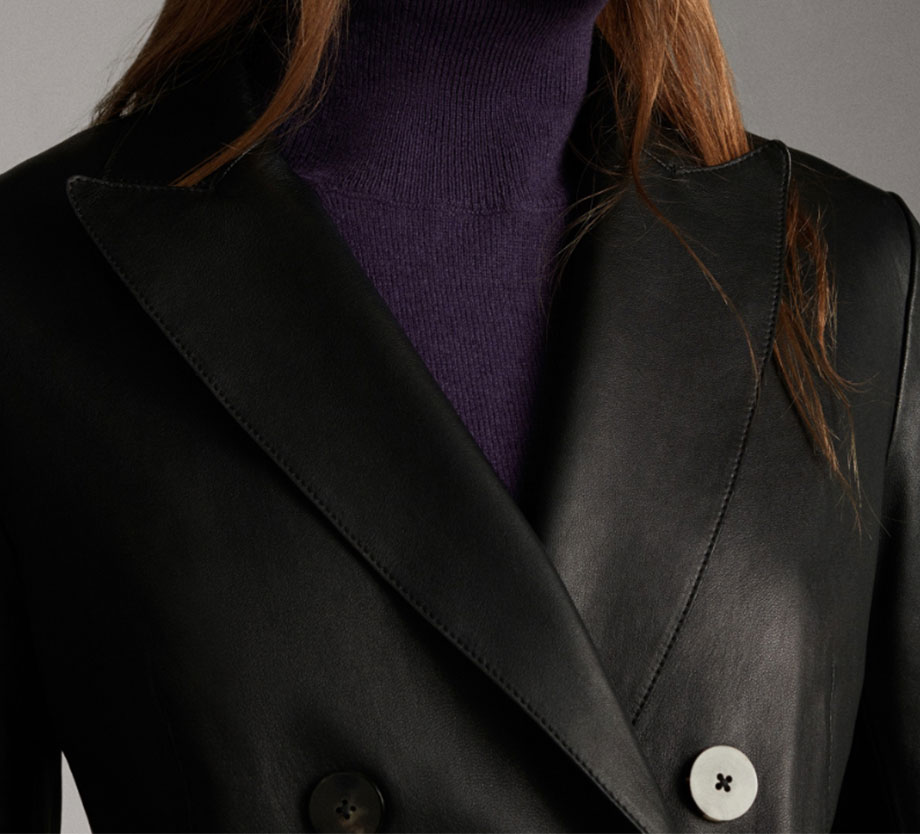
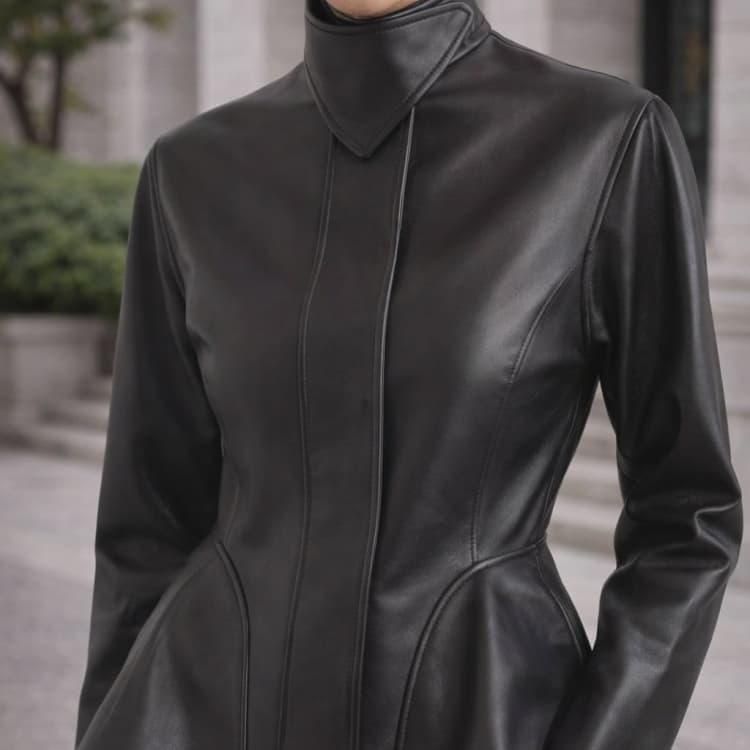
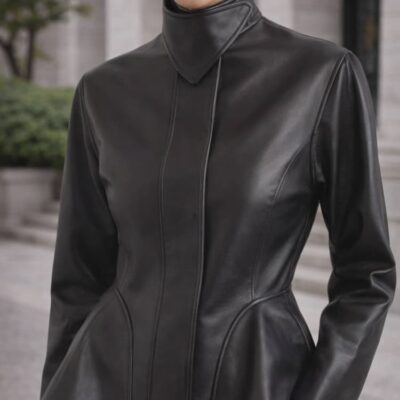
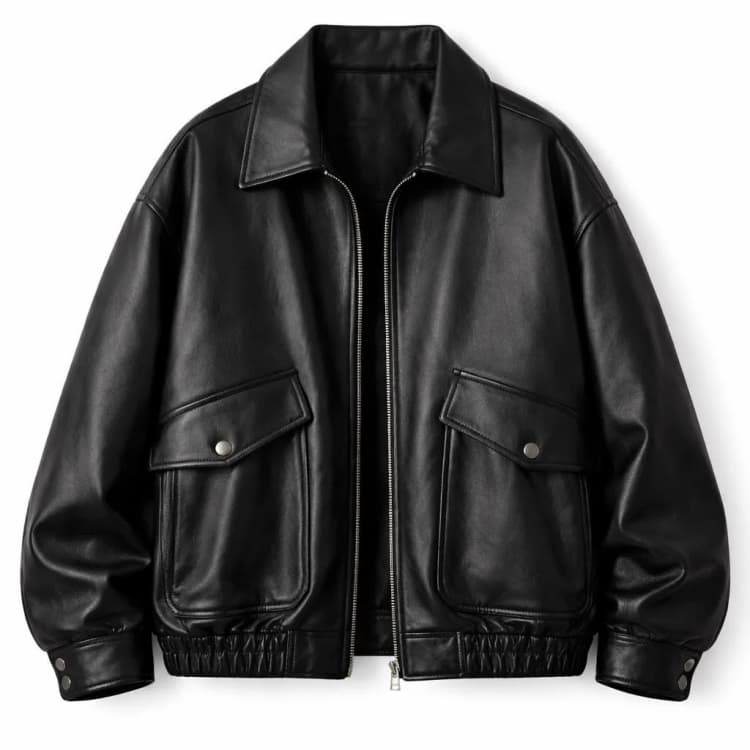
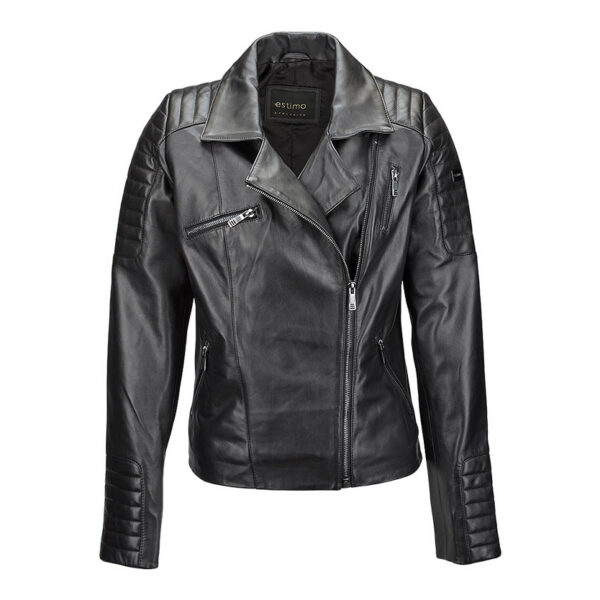
- High-End Outerwear: Jackets with a true second-skin feel.
Athleisure & Gloves: Unbeatable grip and flexibility for gloves that far outclass standard PU.
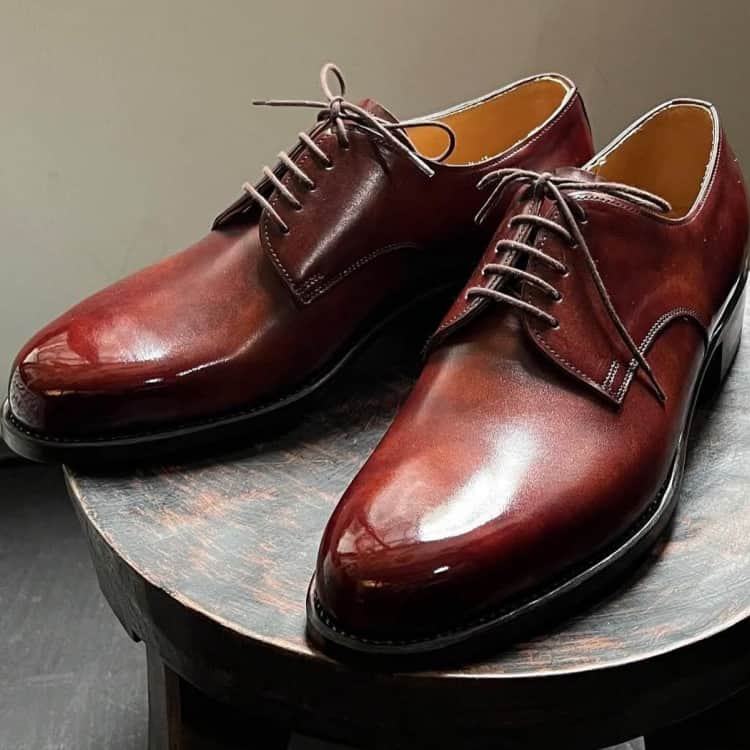
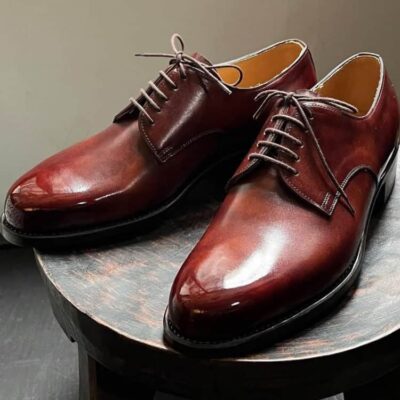
Footwear: Weatherproof uppers for premium sneakers—no toe-box creasing or cracking.
Accessories: Durable bags built to effortlessly handle coffee spills and rainy commutes.
Let’s Talk Money: Is It Worth the Price?
I’ll be the first to tell you that silicone costs more per yard than cheap PVC. If you’re making $5 fast-fashion t-shirts, this isn’t for you.
But if you’re a silicone leather manufacturer or a brand owner who cares about quality, the “math” works out in your favor.
Cutting Yield: Since custom silicone leather is made to tight specs, you don’t have the scars or holes you find in natural hides. You use every inch.
Reduced Returns: One batch of peeling jackets can wipe out your entire profit margin for the year. Silicone solves that.
Brand Value: You can charge a premium for a garment that is truly “eco-friendly” and “performance-driven.”

Customization: Your Brand, Your Way
Shalite doesn’t just sell “stock” items. They are a silicone leather factory that understands the need for a unique look.
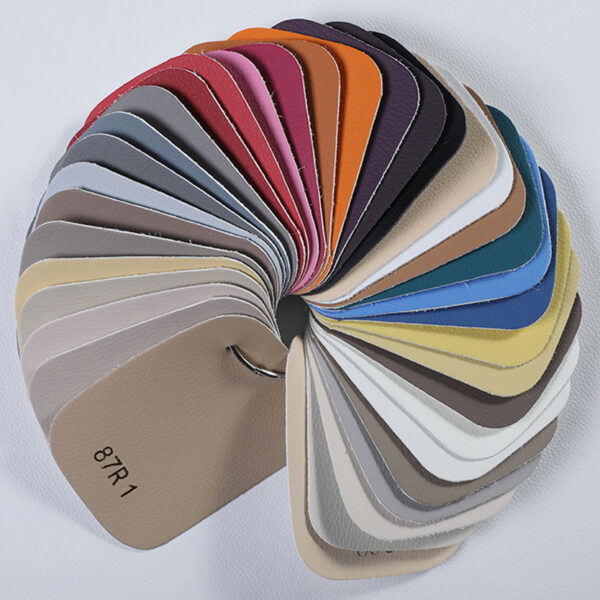
Colors: We do custom color silicone leather to match your specific brand palette.
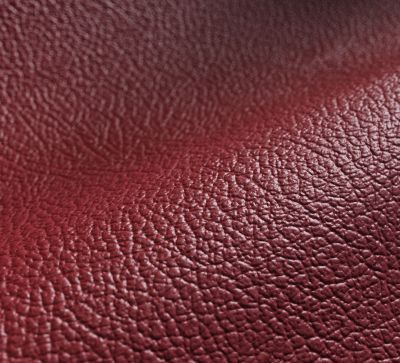
Textures: Whether you want a smooth nappa finish or a rugged pebble grain.
Backings: Choose from microfiber, knit, or woven backings depending on how much stretch your garment needs.

5 Questions Procurement Managers Always Ask
1. Is it actually breathable enough for a jacket?
Standard silicone is a barrier but Shalite offers silicone leather for upholstery and garments that can be micro-perforated. This allows air to move without sacrificing the waterproof nature of the surface.
2. How does it handle a sewing machine?
Some cheap silicones are “gummy” and will melt under a fast needle. Shalite’s low-VOC silicone leather is formulated with a dry finish so it glides through the machine just like natural leather.
3. Does it turn yellow in the sun?
Nope. Silicone is inorganic. Unlike PU, it doesn’t care about UV rays. It will look the same color five years from now as it does today.
4. What is the MOQ for wholesale silicone leather?
We work with high-volume factories. While we can do custom runs, we are set up for large-scale production to keep your costs down.
5. Can I get samples?
Of course. Any serious silicone leather supplier should be happy to let you run your own “torture tests” on their material.
The Verdict: Don’t Get Left Behind
The garment industry is changing. The days of “disposable” plastic clothes are ending. Consumers want quality and they want sustainability.
Shalite’s Super Soft Silicone Upholstery Material gives you a way to deliver both. It’s soft enough for a baby’s jacket yet tough enough for a marine-grade seat. If you are ready to upgrade your next collection and leave the “peeling PU” era behind, it’s time to make the switch.
Ready to see the future of leather?
Reach out to the team at Shalite for a custom silicone leather consultation. Let’s build something that lasts.