The Hami Melon Grain Revolution: Why Your Next Production Run Needs Silicone Coated Textiles
If you’re in procurement, you’ve probably seen more “revolutionary” fabrics than a fashion week intern. Most of them promise the world and deliver a landfill’s worth of cracked PU leather within three years. But every so often, a material comes along that actually does what it says on the spec sheet.
Enter the Hami Melon Grain Coated Textile.
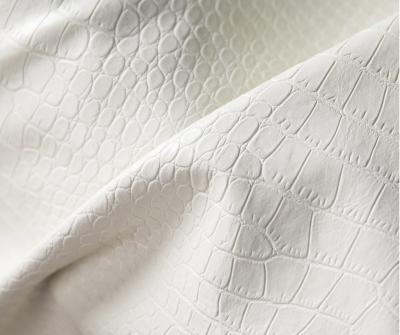
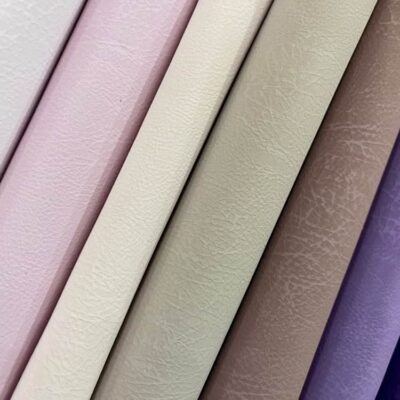
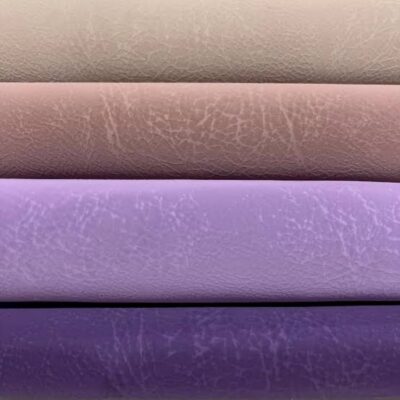
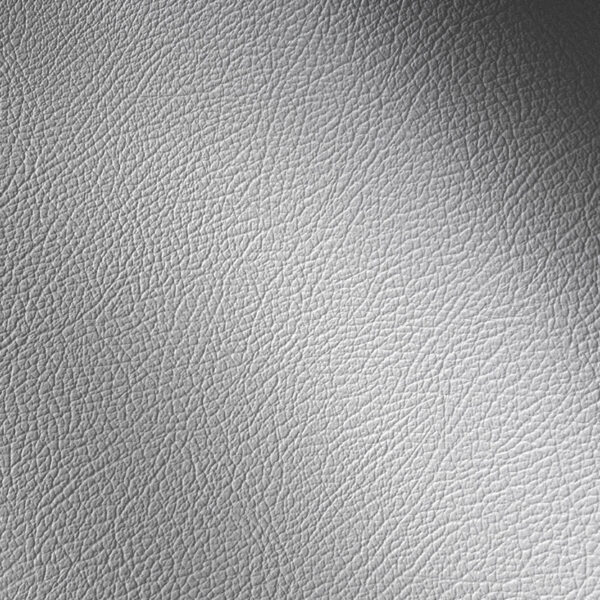
Don’t get thrown off by the name—you won’t find this at a fruit stand. It’s actually a high-end, net-grained texture inspired by Hami melon skin, offering a unique 3D feel right at your fingertips. When you apply this specific grain to a high-quality Silicone Leather Material, you’ve got a product that doesn’t just look like a premium luxury item; it actually survives the real world, too.
The Problem with “Flat” Luxury
For years, the B2B world has been obsessed with smooth, buttery leathers. But let’s be honest: those smooth surfaces are incredibly unforgiving. In no time at all, they’ll show every little scratch, every spilled coffee, and even every bead of sweat. For a procurement manager at a busy furniture factory or an automotive interior designer, “smooth” almost always translates to “a total headache to maintain.”
The Hami melon grain completely changes that math. Its intricate, intersecting ridges provide a sort of natural camouflage for micro-abrasions. It gives you a level of grip and a premium hand-feel that flat synthetics simply can’t touch, no matter how hard they try.
What is Hami Melon Grain Coated Textile?
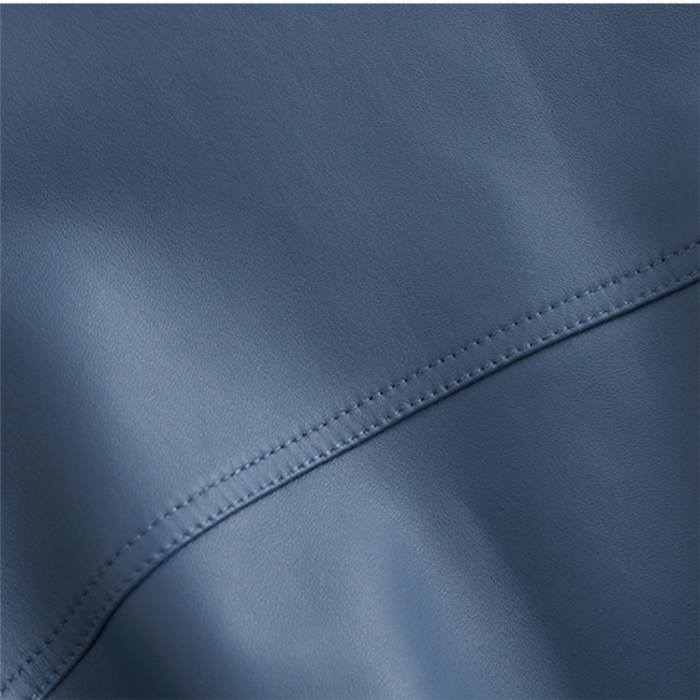
If we look under the hood, this is a Silicone Coated Textile where the top layer of liquid silicone rubber is embossed with that signature reticulated pattern. It’s a clever bit of engineering. Unlike traditional embossing that might thin out or weaken a material, the Hami melon grain actually makes the surface feel more substantial and enhances its structural integrity.
The Anatomy of the Material
The Top Coat: 100% Silicone Leather. Think of this as the “shield.” It provides that signature “Hami” texture and is naturally UV-resistant and waterproof without needing extra chemical treatments.
The Bonding Layer: We use a solvent-free adhesive to ensure the silicone stays permanently bonded to the base without peeling, even under heavy use.
The Substrate: Usually a high-tenacity microfiber or woven polyester knit, depending on whether you prioritize flexibility or pure tensile strength.
Why Technical Buyers are Making the Switch
Let’s talk brass tacks. If you’re buying for a factory, you care about three things: durability, compliance, and whether the cost actually makes sense for the performance you’re getting.
1. Durability that Defies the Calendar
Standard PU (Polyurethane) leather starts to hydrolyze—that’s a fancy way of saying it “peels like a bad sunburn”—in about three to five years. Hami melon grain silicone leather is made to last a decade or more. It easily passes 200,000+ Martindale rub tests with zero trouble.
2. The “Easy-Clean” Factor
For high-traffic commercial environments—hospitals, busy airports, and upscale hotels—cleaning costs add up fast. Thanks to silicone’s non-polar nature, dirt won’t bond to the surface. Ink from permanent markers can often be wiped off dry, while red wine beads and slides right off. That’s what makes high-grade easy-clean silicone leather such a smart investment.
3. Compliance and Sustainability
The regulatory heat is on, and it’s not going away. With REACH and RoHS standards getting stricter by the day, those old-school PVC and PU methods are becoming major liabilities. Silicone, however, is a PVC-Free Silicone Leather that releases zero Volatile Organic Compounds (VOCs). It’s the kind of Eco-Friendly Silicone Leather that keeps your legal department happy and ensures your marketing team’s “sustainability” claims are actually honest.
Comparison: Performance Metrics at a Glance
| Abrasion Resistance | 200,000+ Cycles | 50,000 Cycles | 30,000 Cycles |
| UV Stability | Grade 7-8 (No fading) | Grade 4-5 | Grade 3 |
| Chemical Resistance | High (Alcohol/Bleach safe) | Low (Damaged by cleaners) | Moderate |
| Environmental Impact | Low-VOC / Recyclable | High Solvent Content | High Phthalates |
| Hydrolysis Resistance | 10+ Years | 2-5 Years | N/A (Brittle) |
Applications: Where This Grain Shines
Automotive Interiors
Summer turns car cabins into greenhouses, and winter turns them into freezers. Hami melon grain silicone leather gives you the breathability needed for long drives, along with the heat resistance to stay soft and comfortable even under blazing sun.

Marine and Outdoor Furniture
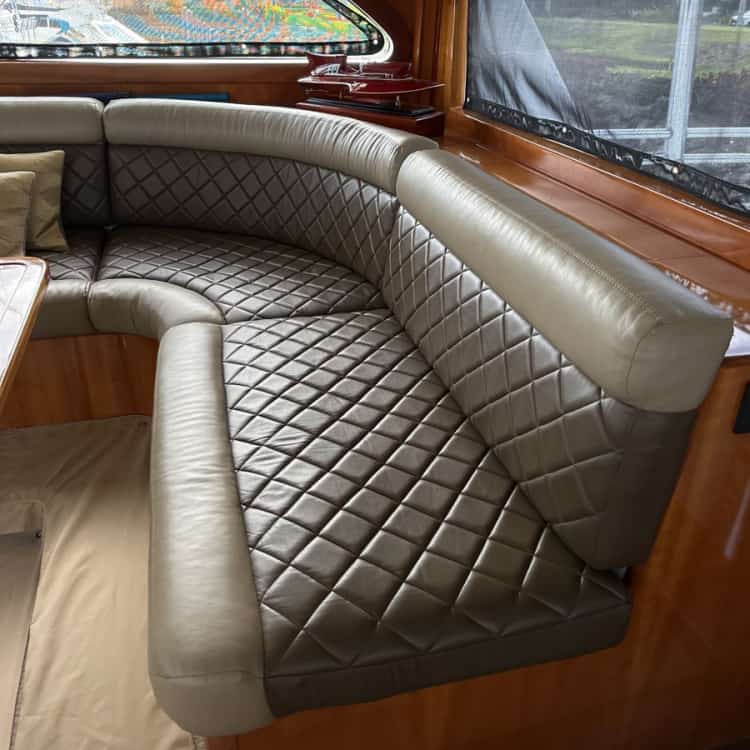
Saltwater usually eats traditional fabrics for breakfast. But Outdoor Silicone Leather is virtually immune to salt spray and mold. The Hami melon grain provides an extra layer of slip-resistance, which is a lifesaver for yacht upholstery where “wet and slippery” is a genuine safety hazard.
Medical and Hospitality
When you’re stuck disinfecting a surface 20 times a day with harsh chemicals, you need a serious Performance Upholstery Material. Silicone won’t degrade or crack when exposed to medical-grade cleaners, and that Hami melon texture gives off a premium “hospitality” vibe so the space doesn’t look like a cold, sterile clinic.
The Procurement Perspective: OEM and Customization
For manufacturers, the ability to customize is everything. When you partner with a Silicone Leather Manufacturer like Shalitetech, you’re not just stuck with whatever is sitting in a warehouse.
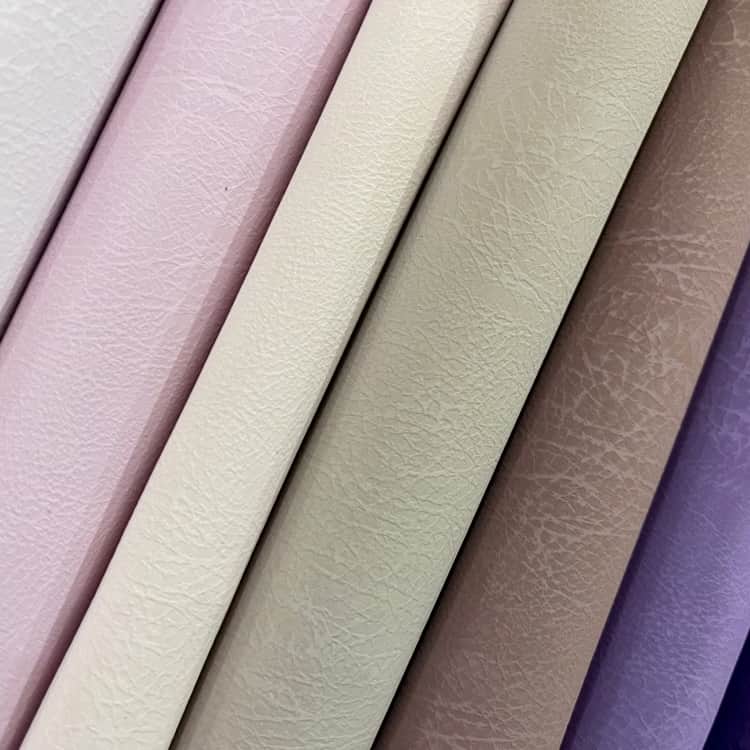
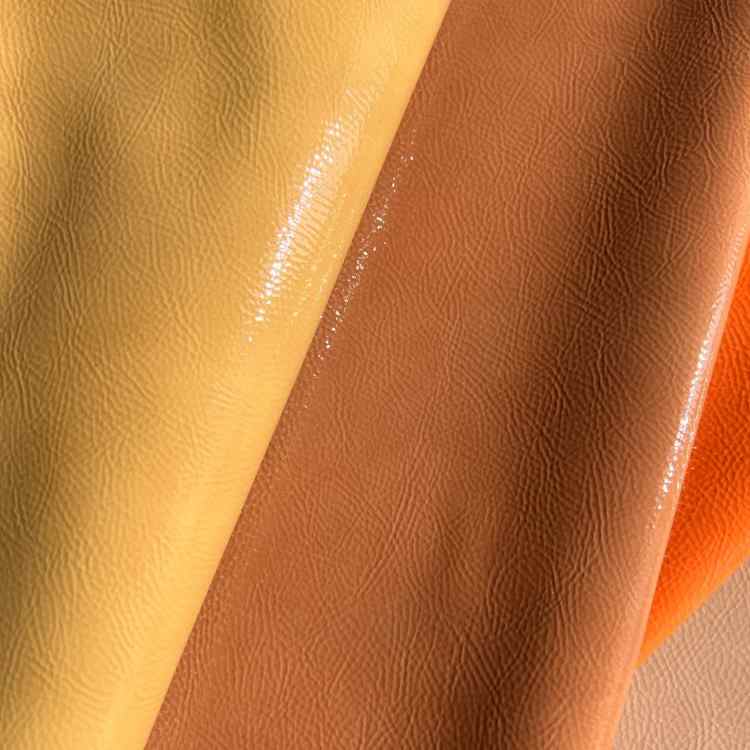
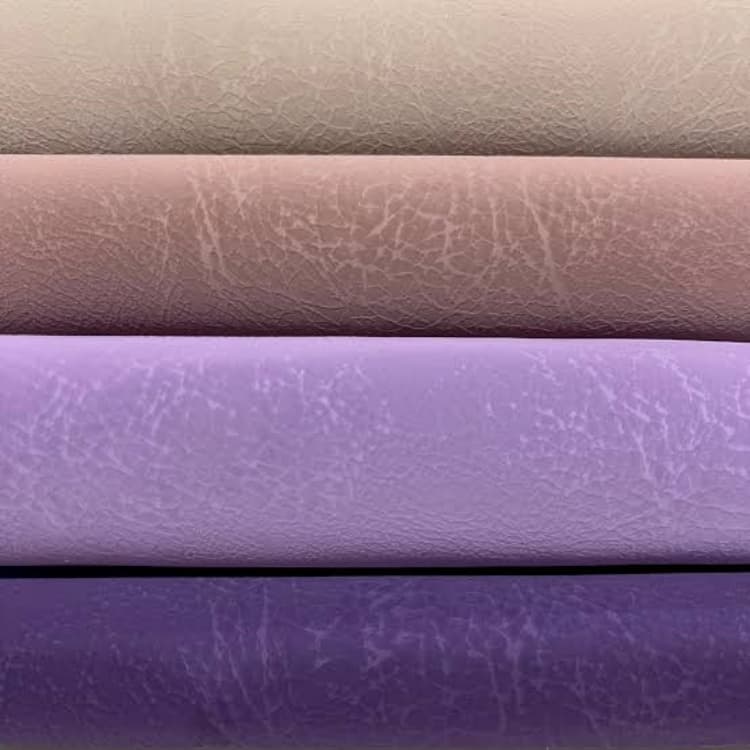
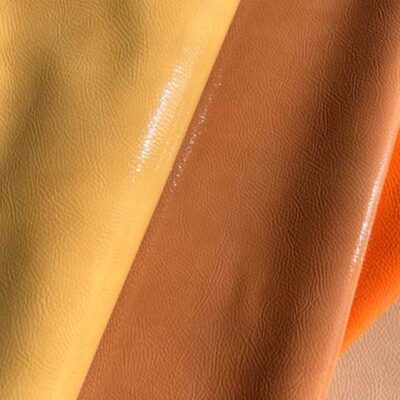
Custom Colors: You can order Custom Color Silicone Leather to match your brand’s exact pantone.
Custom Texture: While the Hami melon grain is a favorite, you can tweak the depth and scale to fit your specific vision.
Backing Selection: You get to pick from jersey, interlock, or microfiber backings to make sure it plays nice with your factory’s existing machinery.
A Word on the “Total Cost of Ownership”
I’ve seen too many buyers get hung up on the “per meter” price while completely ignoring the “per year” cost. Sure, silicone leather costs more upfront than cheap PVC. But when you factor in fewer warranty claims, lower maintenance, and a much longer lifespan, it’s clearly the smarter, more cost-effective choice for volume production.
The shift toward ultra-durable synthetic leather is picking up speed simply because companies are fed up with replacing furniture every three years.
Technical Specifications for Procurement Managers
If you’re writing a tender, here’s what to specify:
Thickness: Typically 0.8mm to 1.5mm, depending on what you’re building.
Flame Retardancy: Make sure it meets FMVSS 302 or BS5852 standards.
Tear Strength: You’ll want a minimum of 40N (ISO 4674-1).
Eco-Certification: Double-check that it is Low-VOC Silicone Leather and OEKO-TEX compliant.
Data Reliability and Authoritative Sources
To keep things professional and accurate for your B2B decision-making, we rely on these industry-standard benchmarks:
Market Analysis: Grand View Research – Synthetic Leather Market Forecast 2030
Safety Standards: OEKO-TEX Standard 100 Guidelines
Material Science: ResearchGate – Durability of Silicone-based Textiles
Manufacturer Specs: Shalitetech Silicone Leather Technical Data
Frequently Asked Questions
1. Is Hami Melon grain harder to clean because of the texture?
Actually, it’s quite the opposite. Since the material is Silicone-Based Leather, the surface tension is incredibly low. Dirt doesn’t get trapped deep in the grain; it mostly sits on top of the ridges, so it’s just as easy to wipe down as a flat surface.
2. Does it feel like plastic?
Definitely not. Silicone has a distinct soft-touch, silky finish. Combined with the Hami melon grain, it gives you the rich, natural tactile experience of real leather instead of cold, cheap plastic.
3. Can it be used for footwear?
Absolutely. Silicone Leather for Shoes is taking off in the “vegan luxury” sneaker world because it can handle the constant flexing of a shoe without cracking or showing wear lines.
4. How does it handle extreme heat?
Silicone is thermally stable up to 200°C. In a car interior baked by the sun, while PU leather might start to smell or get sticky, silicone stays stable and completely odorless.
5. Where can I source this in bulk?
You’ll want to find a Wholesale Silicone Leather supplier that offers OEM Silicone Leather services. This ensures you get the exact grain, color, and backing required for your specific production line.
Final Thoughts: The Future is Reticulated
The Hami Melon Grain Coated Textile is a perfect example of what happens when we borrow a good idea from nature. We’ve taken a functional design—the protective, textured skin of a melon—and combined it with the most advanced polymer science we have.
For a procurement manager, this is a rare win-win. You’re delivering a material that makes the designers happy with its luxury look, while satisfying the engineers with its raw performance. In a world where customers are getting smarter about what they buy, offering products upholstered in an Eco-Friendly Leather Alternative isn’t just a “nice to have” anymore—it’s how you stay ahead of the curve.
If you’re looking to dive deeper into sourcing or custom development, the team at Shalitetech is a great place to start.