The Stretch That Doesn’t Sag: A Procurement Manager’s Reality Check on Shalite’s High-Elastic Silicone Textiles
Let’s be honest. If you’ve spent more than five minutes in a high-volume manufacturing plant, you’ve heard the same old story. A supplier promises a “revolutionary” synthetic leather. It looks great in the sample book. But six months later? The stuff is sagging on the car seats, peeling in the medical clinics, or—worse—smelling like a chemical spill because the sun hit it.
I’ve talked to enough technical buyers to know that “cheap” is often the most expensive word in your vocabulary. When a product fails in the field, you aren’t just dealing with a warranty claim. You’re watching your brand’s reputation go right down the drain.
That is why we need to have a serious talk about High-Elastic Silicone Coated Textile Material. Specifically, the kind of material Shalite is pumping out. This isn’t just another plastic-coated fabric. It’s a chemical engineering win that makes PU and PVC look like relics from the Stone Age.
Why “High-Elastic” Isn’t Just Marketing Fluff
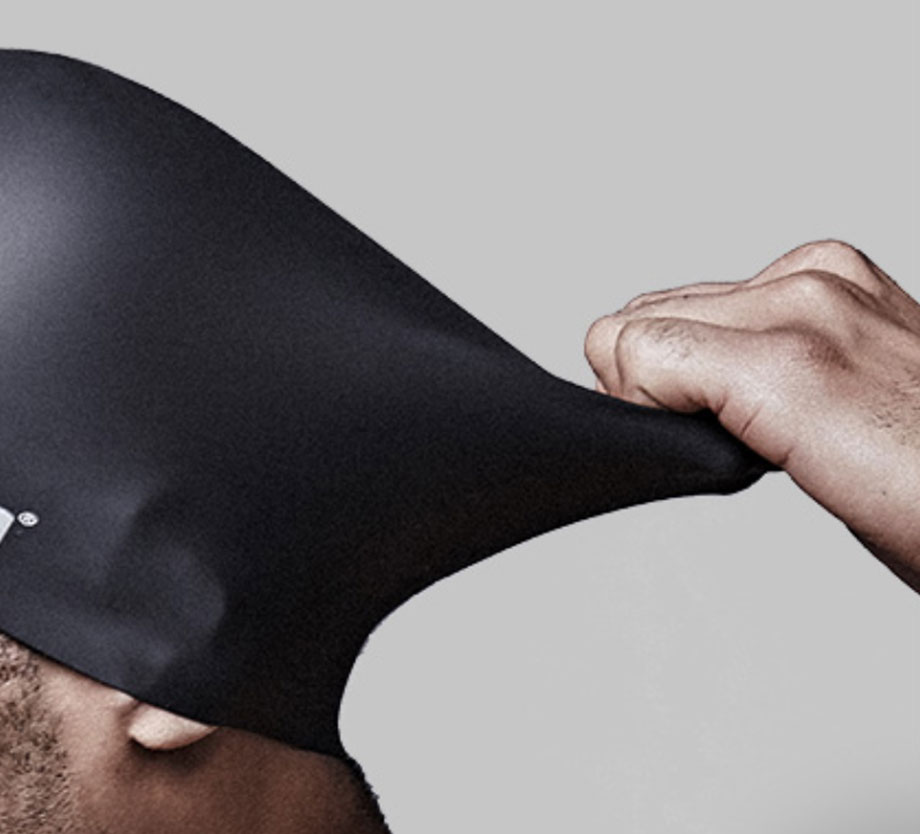
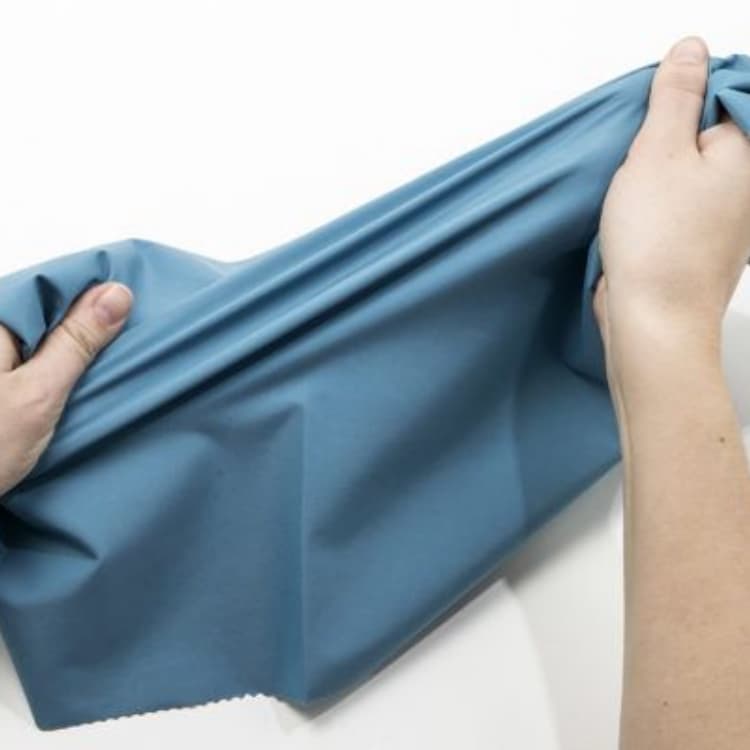
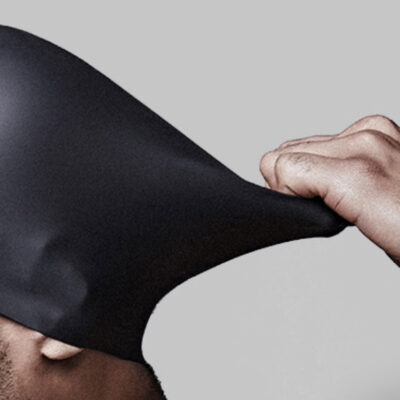
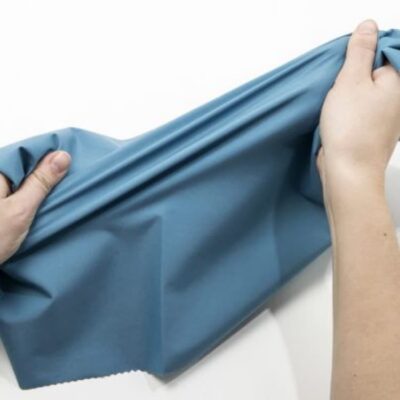
In the textile world, “elasticity” is a word people throw around to hide a lack of durability. But for a Silicone Coated Fabric, high elasticity actually means dimensional stability.
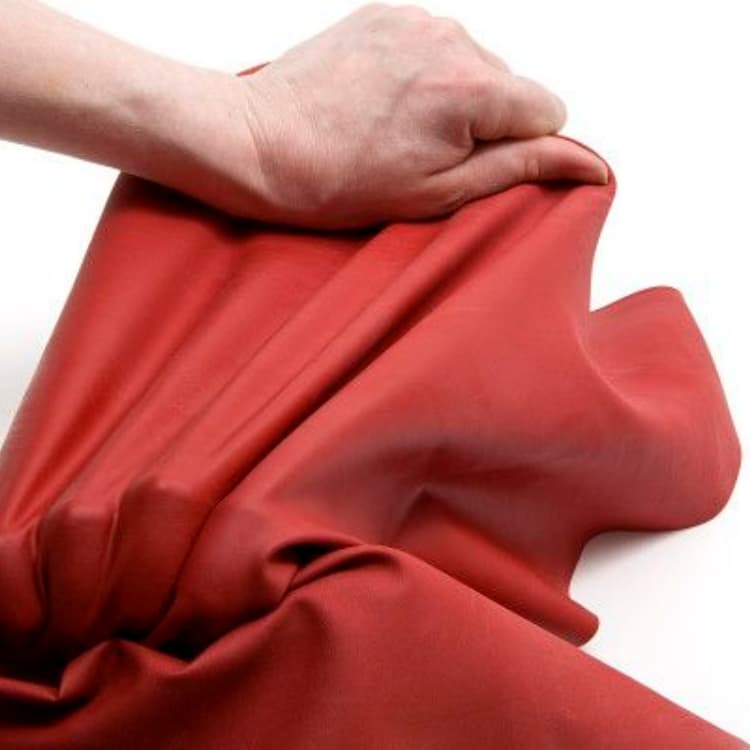
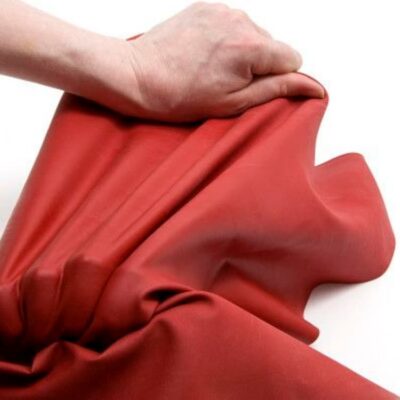
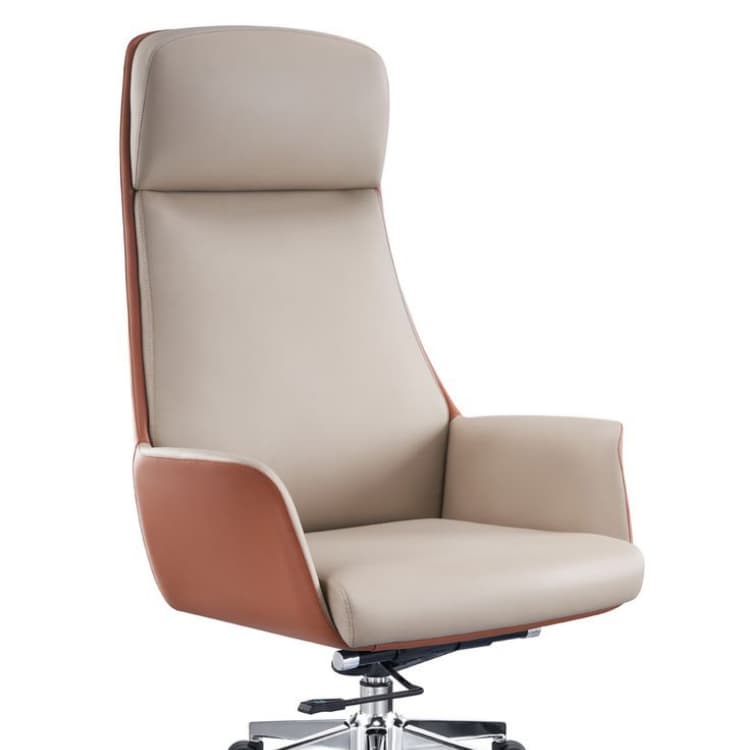
Picture a high-end office chair or a dental exam table. Users aren’t just sitting still; they shift, slide, and put weird pressure on the seams. A standard Silicone Leather Material needs to stretch to handle that weight and—this is the important part—snap back to its original shape the second the person stands up.
If it doesn’t snap back? You get “puddling.” That’s that ugly, loose, wrinkled look that makes a $50,000 car look like a piece of junk. Shalite’s material uses a specialized liquid silicone rubber (LSR) coating. It’s cross-linked at a molecular level to high-density polyester or nylon. The result is a fabric that remembers its shape better than a debt collector remembers a missed payment.

What’s Actually Inside the Roll?
The Base Textile: High-tenacity fibers that provide the “bones.”
The Primer: A secret-sauce bonding agent so the silicone doesn’t delaminate (or “peel off like a bad sunburn”).
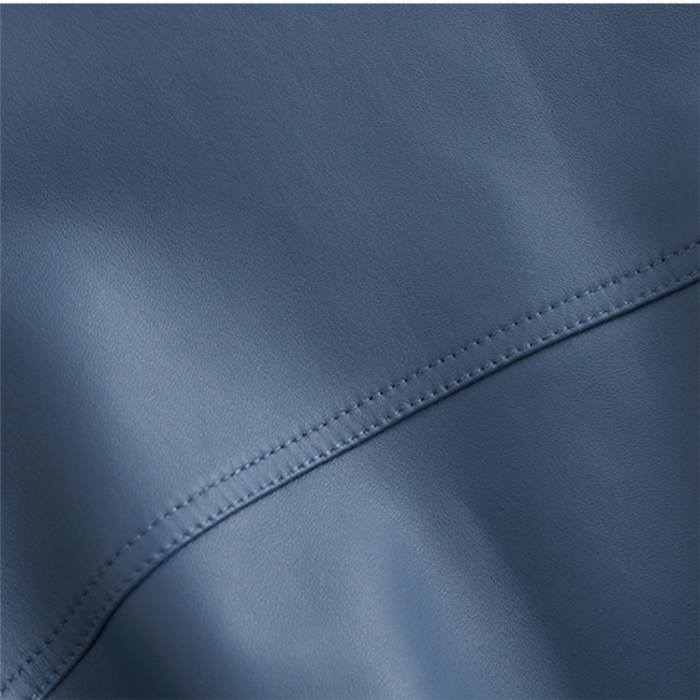
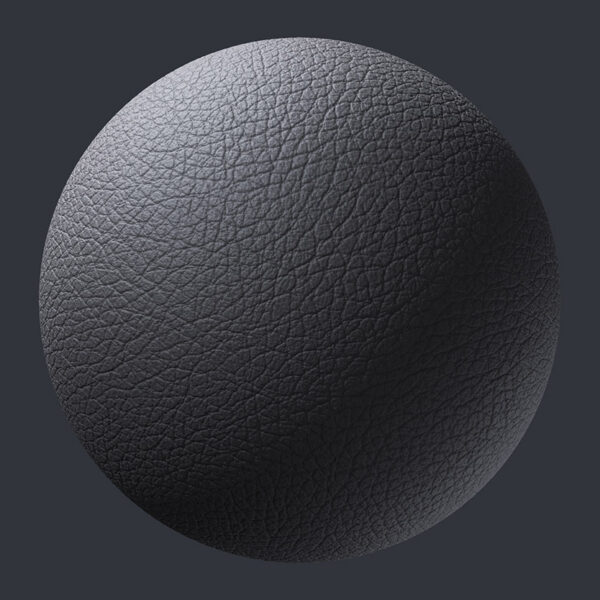
The Silicone Top Coat: A Soft-Touch Silicone Leather layer that handles UV rays, water, and that “expensive” skin-feel.
The Numbers Your Engineering Team Will Actually Care About
Forget the glossy brochures. Let’s look at the data. If you’re a technical buyer, you care about Martindale cycles, VOCs, and thermal stability.
Performance Comparison: Silicone vs. The “Other Guys”
| Durability (Martindale) | 200,000+ Cycles | 30,000 – 50,000 Cycles | 50,000 Cycles |
| Hydrolysis Resistance | 10+ Years | 2 – 5 Years | N/A (Brittle) |
| UV Resistance (QUV) | 2,000+ Hours (Grade 4-5) | 200 – 500 Hours | 500 Hours |
| VOC Emissions | Ultra-Low VOC | High (Odor Issues) | Very High (Phthalates) |
| Temperature Range | -50°C to +200°C | -20°C to +80°C | -10°C to +60°C |
Looking at this chart, you’ll see Durable Silicone Leather isn’t just 10% better. It is a completely different league. For a procurement manager at an automotive plant or a marine furniture factory, these numbers mean one thing: fewer headaches.
The Sustainability Factor: It’s About Compliance, Not Just Cuddly Trees
Everyone “greenwashes” these days. They put a leaf on the logo and call it a day. But if you’re shipping to the EU or North America, regulators don’t care about your logo. They care about REACH and RoHS. If your material has phthalates or heavy metals, you are looking at a logistical nightmare.
Shalite’s Eco-Friendly Silicone Leather is inherently PVC-Free Silicone Leather. It doesn’t need plasticizers to stay soft. It doesn’t off-gas. This is the same basic chemistry used for baby bottle nipples.
When you tell your clients your upholstery is an Eco-Friendly Leather Alternative, you aren’t blowing smoke. You’re offering a product that’s safe for human skin. According to OEKO-TEX, the demand for non-toxic textiles has jumped 25% lately. Being an Eco-Friendly Silicone Leather Manufacturer is just good business.
Where Does This Stuff Actually Work?
1. The Automotive Cabin
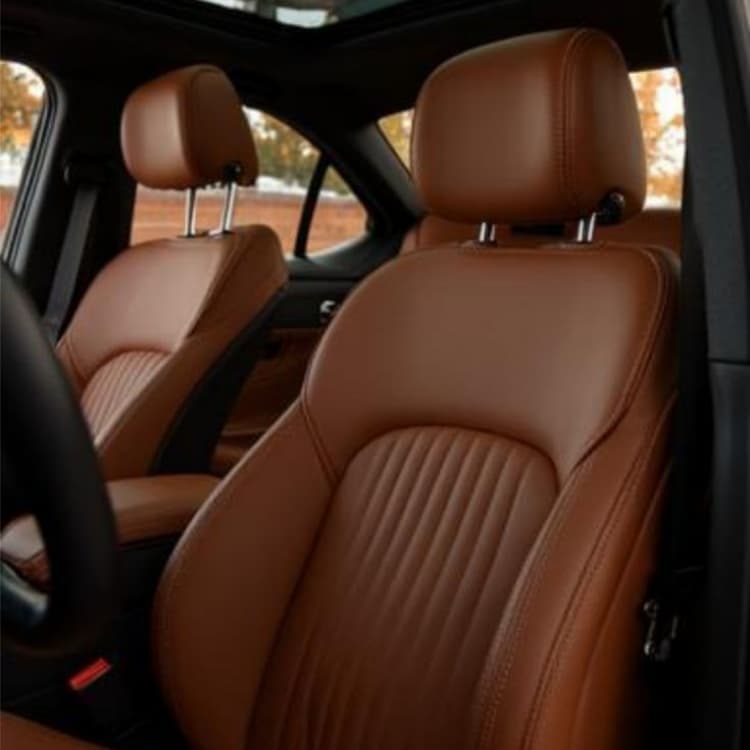
Modern EVs are quiet. No engine noise means you hear every squeak of the seat. Automotive Silicone Leather is the top choice here because it’s Low-VOC Upholstery Material. It won’t fog up the inside of the windshield, and it won’t crack after three summers in the Texas sun.
2. Boats and Outdoor Gear
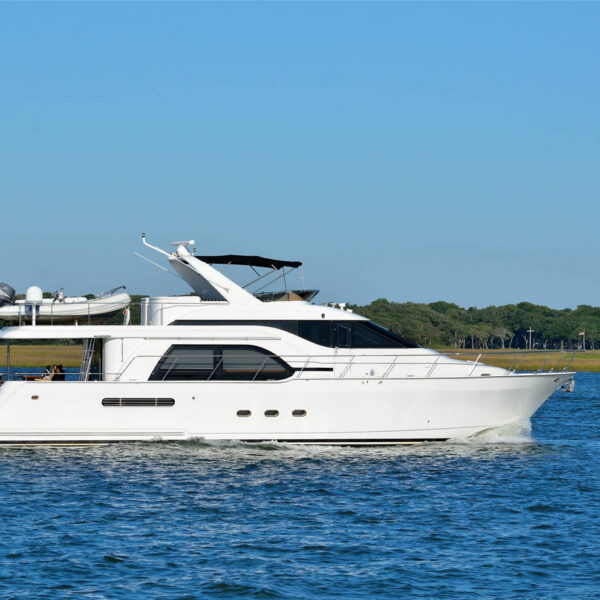
Saltwater and UV rays kill most fabrics. Typical “marine grade” vinyl is just PVC with some temporary chemicals sprayed on. Once those wash off, the fabric dies. Marine Silicone Leather is different. Silicone is inorganic. The sun doesn’t “see” it the same way it sees plastic. It stays soft in the middle of the ocean.
3. Hospitals and Clinics
In a post-COVID world, everything gets doused in bleach. Standard PU leather will peel if you hit it with hospital cleaners. Shalite’s Silicone Upholstery Material is chemically bored by bleach. You can scrub it, and it won’t lose its color. It is Easy-Clean Silicone Leather at its best.
Let’s Talk Money: The Total Cost of Ownership (TCO)
I know you have a budget. If you only look at the “price per yard,” Silicone-Based Leather looks more expensive than PVC. But let’s do some math.
Suppose you’re making Silicone Leather for Bags.
If you’re building a brand for the long haul, the cheap stuff is a trap. High-volume factories are moving to Wholesale Silicone Leather because the cost of a failed product is just too high.
Why Shalite? (Beyond the Fact That They’re Good)
There are plenty of factories out there. But Shalite is more like a technical partner than a simple Silicone Leather Factory.
Whether you need Custom Silicone Leather with a specific grain for a yacht or OEM Silicone Leather for high-end gloves, they have the R&D. Their Custom Color Silicone Leather options mean your designers can get the exact look they want without ruining the material’s strength.
The Customization Path:
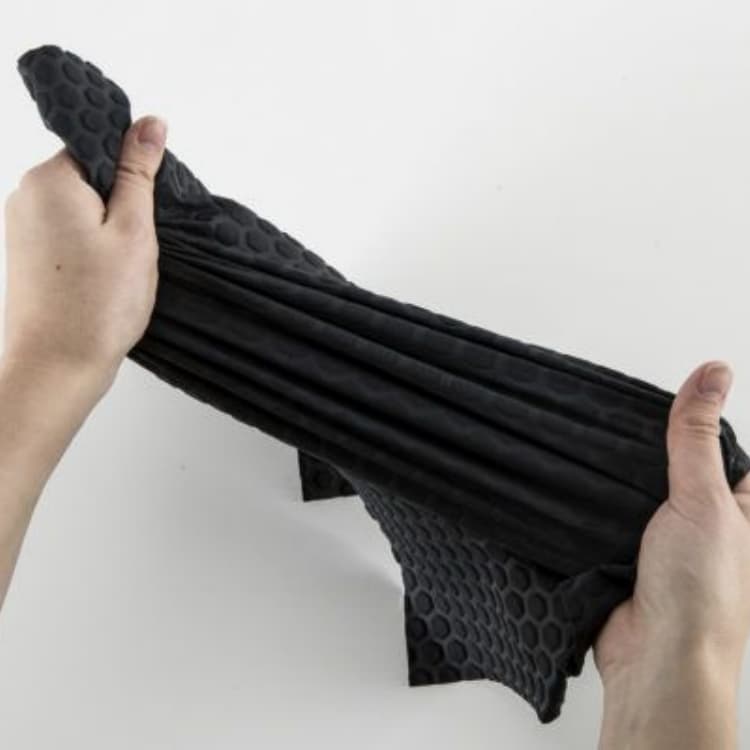
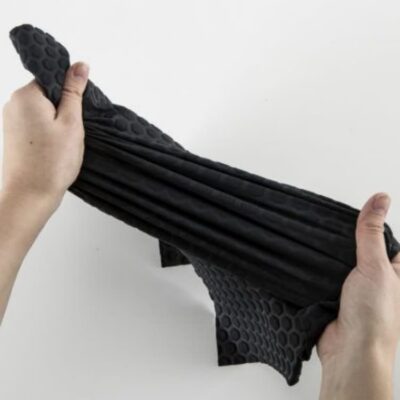
Grain & Texture: Want it to look like calfskin or carbon fiber? They can do Custom Texture Silicone Leather.
The Backing: You can choose knit, woven, or microfiber to get the right “drape.”
Flame Specs: Need extra fire resistance for a plane seat? They’ve got you.
Questions I Get Asked All The Time (FAQ)
1. Is it actually breathable?
Silicone is a solid polymer, but Shalite can engineer it with micro-perforations. When paired with the right base textile, it’s much more comfortable for seating than old-school vinyl.
2. How do you clean it?
Water and mild soap. That’s it. Even permanent marker usually wipes off. It is the definition of Easy-Clean Silicone Leather.
3. Can I sew it or weld it?
Yes. Unlike some silicones that are a pain to work with, Shalite’s Silicone Leather Products are built for real-world manufacturing. They play nice with modern adhesives and high-speed sewing.
4. Does it get hot in the sun?
Actually, no. Silicone doesn’t conduct heat like PVC. It doesn’t absorb the sun’s energy as fast, so you won’t burn your legs when you sit on Silicone Leather for Upholstery.
5. What’s the catch with the MOQ?
Shalite is a Silicone Leather Manufacturer built for scale. They love Wholesale Silicone Leather orders, but they are surprisingly flexible on OEM Silicone Leather for specialized projects.
The Bottom Line: Stop Using Yesterday’s Trash
In a world where everyone is trying to cut corners, being the guy who builds things that last is a massive advantage.
High-Elastic Silicone Coated Textile Material isn’t just a surface. It’s an insurance policy for your brand. It’s Abrasion-Resistant Silicone Leather, Weather-Resistant Silicone Leather, and PVC-Free Upholstery Material all in one roll.
If you’re tired of the headaches that come with traditional synthetics, look at Shalite. Your customers might not remember the price they paid, but they will definitely remember the day their seat cracked. Don’t let that be your legacy.
Want to see the samples? Check out the Shalite product catalog or talk to the OEM/ODM team to start a custom run.