The High-Stakes Game of Garment Coatings: Why Silicone is Winning the B2B Race
I’ve spent the better part of my career walking through textile mills and I’ve seen it all. I have seen procurement managers celebrate a 5% saving on a massive PU order only to spend the next year dealing with a 20% return rate because the “leather” jackets started shedding like a snake in a desert. It is a nightmare. In the garment world, your reputation is only as good as your fabric’s lifespan.
If you are a technical buyer or a factory owner, you know that the “Old Guard” of coatings—PU and PVC—is hitting a wall. Between tightening environmental laws and consumers who actually read labels, the industry is shifting. We are moving toward Silicone Leather. At Shalite, we are not just making fabric; we are solving the durability crisis that has plagued the apparel industry for decades.
1. Why the “Old Guard” (PU and PVC) is Firing Backfires
Let’s be blunt. PU (Polyurethane) was a great stopgap. It felt better than the stiff plastic of the 70s but it has a fundamental flaw: it hates water. Hydrolysis is the technical term but you know it as “peeling.” A PU jacket kept in a humid warehouse is basically a ticking time bomb.
PVC is even worse for the B2B reputation. It’s a chemical cocktail. If you are trying to sell to high-end brands, the lead and phthalates found in traditional PVC are deal-breakers. According to data from Grand View Research, the global push for bio-based and non-toxic alternatives is skyrocketing. Brands don’t want the liability anymore.
This is why Eco Friendly Silicone Leather is no longer a “luxury” choice—it’s the smart choice for high-volume production.
2. The Technical Edge: What is Actually Inside the Coating?
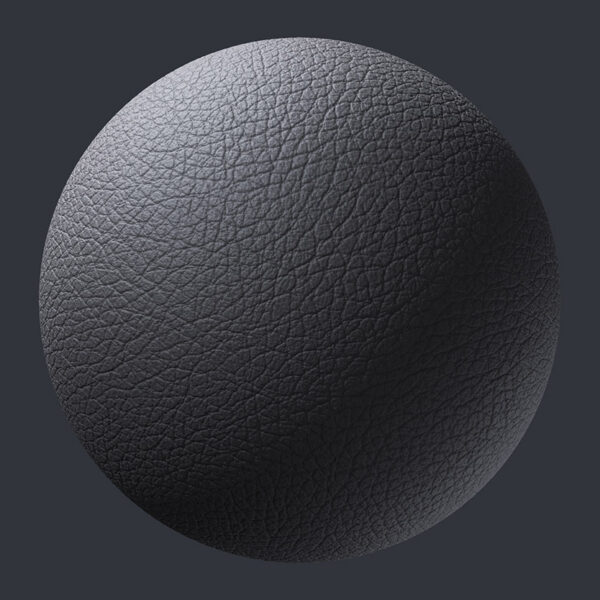
When we talk about Silicone Leather Manufacturer expertise, we are talking about chemistry. Silicone isn’t just another plastic. It is derived from silica. This gives it an inorganic backbone. Think of it this way: PU is like a piece of fruit that eventually rots and silicone is like a rock. It just doesn’t break down the same way.
For a Silicone Leather Factory, the magic happens during the coating process. We fuse the silicone to a base textile—usually a high-strength polyester or a recycled blend. The result is a Coated Textile for Garment Applications that can survive things that would destroy a PU jacket.
The Durability Matrix: A Real-World Comparison
| Years of Life | 1 to 3 years | 2 to 5 years | 10+ years |
| Peeling/Cracking | Highly likely | Certain over time | Virtually impossible |
| Skin Safety | Can cause rashes | Often toxic | Medical Grade Safety |
| Environmental | Uses DMF/Solvents | High VOCs | Zero Solvent/PVC Free |
| Flame Resistance | Requires additives | High but toxic | Naturally Flame Retardant |
3. The “Bly” Perspective: Why B2B Buyers Should Care About “Hand-Feel”
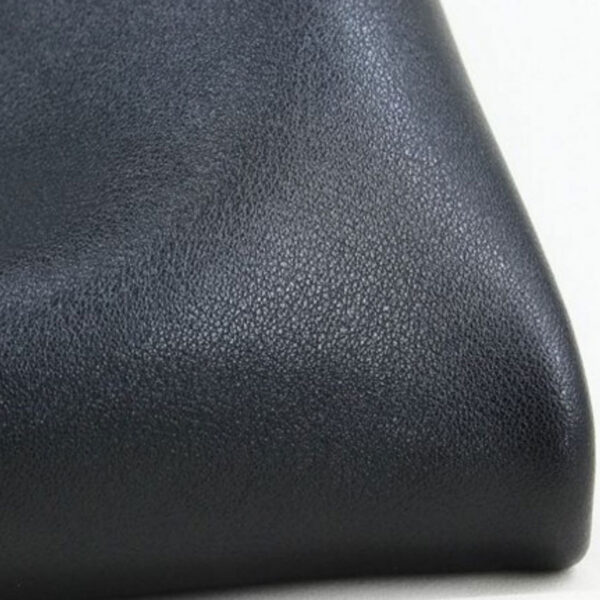
If you’re a procurement manager, you might think “hand-feel” is for designers. You’re wrong. Hand-feel is what keeps a customer from returning a garment. Silicone has a unique, silky touch. It isn’t sticky like PVC and it doesn’t have that “plastic” squeak.
At Shalitetech, we’ve perfected the Custom Silicone Leather process to mimic everything from buttery lambskin to heavy-duty cowhide. If you are manufacturing Luxury Bag Leather, that tactile experience is the difference between a $50 product and a $500 product.
4. Solving the “Cleanliness” Problem
I once saw a white “vegan leather” jacket ruined by a single drop of ballpoint pen ink. With PU, that ink is there forever. But Silicone Leather Wholesale materials have a very low surface energy.
You can literally take a permanent marker to our Sofa Silicone Leather or garment textiles and wipe it off with a dry cloth. For high-volume manufacturers, this means fewer factory defects and lower waste. If a worker drops a tool or spills some oil, you don’t throw the garment away. You wipe it.
5. Applications That Are Changing the Industry
While we are focusing on garments, the versatility of this “super-fabric” is wild.
A. High-Performance Outerwear
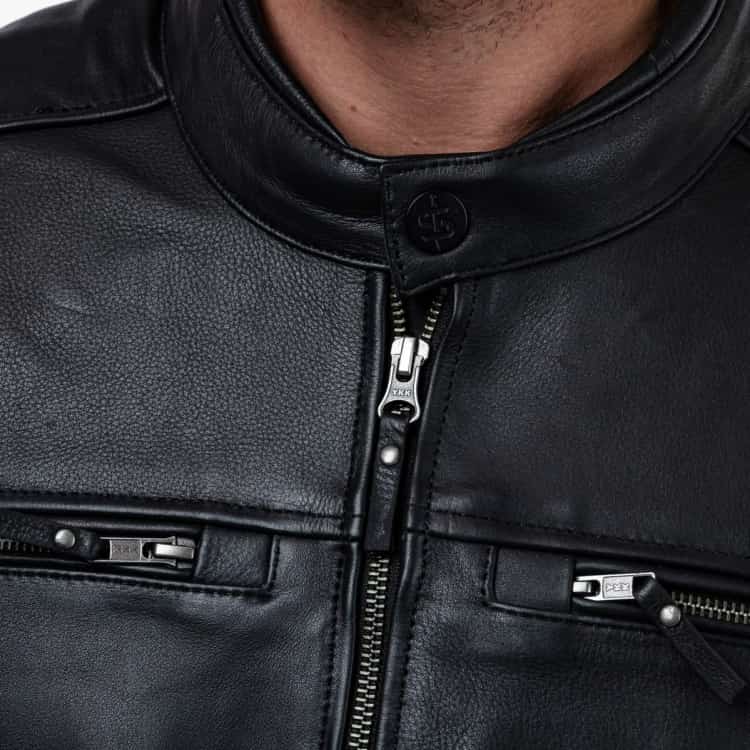
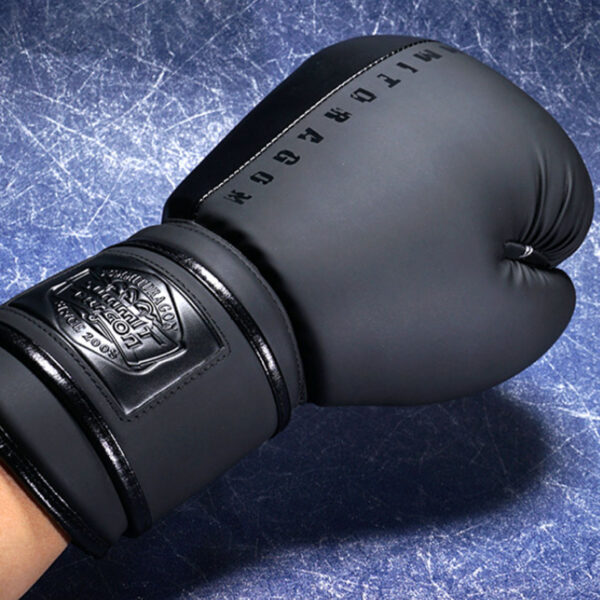
For motorcycle gear or extreme sports, you need abrasion resistance. Silicone Leather for Gloves offers a grip that doesn’t slip even when wet. It’s why Sports Glove Leather is moving toward silicone.

B. Footwear
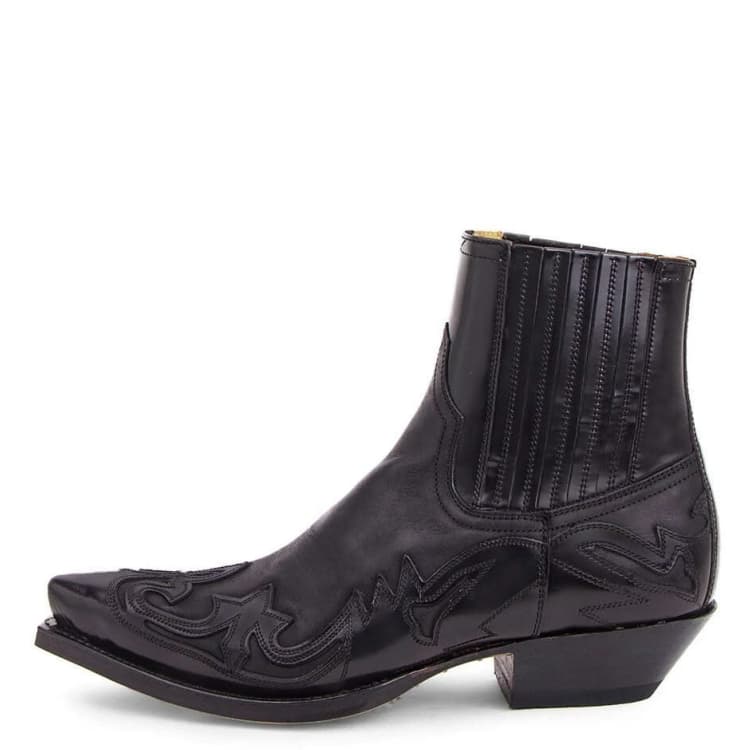
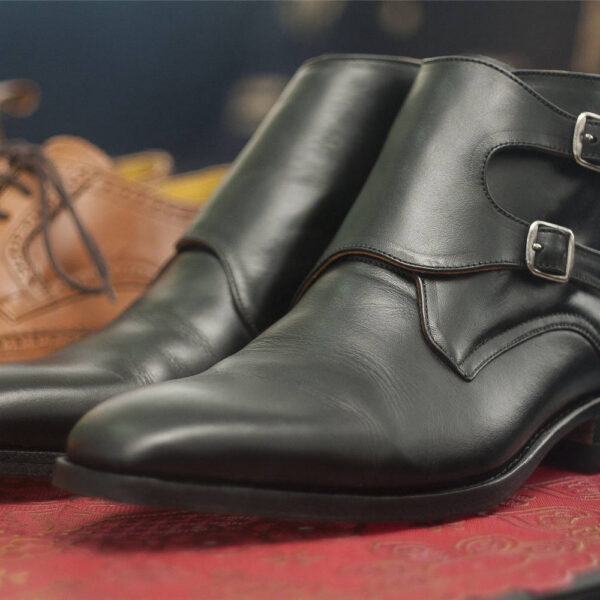
Shoes take more abuse than any other garment. Between salt, water, and constant flexing, PU fails fast. Silicone Leather for Shoes handles the “flex test” (often over 200,000 cycles) without a single crack.
C. The Sensitive Markets
We are seeing a huge surge in Baby Silicone Leather. Why? Because babies chew on things. You don’t want them chewing on PVC. Our material is Vegan Silicone Leather that is safe enough for a nursery but tough enough for a Pet Bed Leather application.
6. The Procurement Reality: Cost vs. Value
I’ll be the first to tell you that Silicone Leather Supplier prices are higher upfront than “junk” PU. But let’s look at the math. If you are a high-volume factory, you have to account for:
Recall Risks: One bad batch of PU can bankrupt a small brand.
Sustainability Tax: Many regions are starting to tax high-VOC materials. PVC Free Leather Manufacturer goods avoid these costs.
Brand Loyalty: Customers who buy a jacket that lasts ten years will buy from you again.
Longevity is the new “green.” Making one jacket that lasts a decade is better for the planet than making five that end up in a landfill.
7. How to Work with a Factory like Shalite
When you look for an OEM Silicone Leather partner, you need someone who understands the nuances of the production line. Silicone behaves differently than PU under a sewing needle.
We recommend:
Testing the “Flex”: Ask for samples that have been through a Bally Flex test.
Checking the Backing: The strength of a Contract Silicone Leather often depends on the knit or woven fabric underneath.
Color Matching: We provide Custom Silicone Leather services where we match your brand’s specific Pantone colors.
8. The Future: A World Without Solvents
The biggest “hidden” secret in the textile world is the use of DMF (Dimethylformamide). It’s a nasty solvent used in PU production. At Shalite, we have eliminated it entirely. Our process is a “dry” coating process. No water pollution and no toxic air emissions. This is why we are the preferred Silicone Leather Factory for brands looking to hit their ESG (Environmental, Social, and Governance) targets.
Whether you are looking for Silicone Leather for Automotive or Aviation Silicone Leather, the message is clear: the era of “disposable” textiles is over.
5 Frequently Asked Questions (FAQ)
1. Is silicone leather too heavy for light jackets?
Not at all. We can adjust the thickness of the coating and the weight of the base fabric. We can produce a Silicone Leather for Bags that is thick and rugged or a garment-grade version that is as light as a summer breeze.
2. Does the coating smell like chemicals?
Actually, it is completely odorless. Unlike PVC which has that “new plastic” smell (which is actually outgassing), our Eco Friendly Silicone Leather is inert. This is a huge win for Electronics Silicone Leather cases and garments.
3. How do you handle the “slickness” of silicone in sewing?
It’s a common technical hurdle. We often suggest using a walking-foot sewing machine or a light application of silicone-compatible lubricant on the needle. Once your factory team gets the hang of it, the stitch quality is actually more consistent than PU.
4. Can silicone leather be recycled?
Silicone is much easier to manage at the end of its life than mixed-plastic PU. While “closed-loop” recycling for coated textiles is still evolving, silicone can be ground down for use in industrial fillers without releasing toxic gases.
5. Why should I choose Shalite over a general textile supplier?
Because we are a specialist Silicone Leather Manufacturer. We don’t do PU. We don’t do PVC. We focus 100% on perfecting silicone technology. That focus means fewer errors and better Custom Silicone Leather options for your specific B2B needs.
The High-Stakes Game of Garment Coatings: Why Silicone is Winning the B2B Race
I’ve spent the better part of my career walking through textile mills and I’ve seen it all. I have seen procurement managers celebrate a 5% saving on a massive PU order only to spend the next year dealing with a 20% return rate because the “leather” jackets started shedding like a snake in a desert. It is a nightmare. In the garment world, your reputation is only as good as your fabric’s lifespan.
If you are a technical buyer or a factory owner, you know that the “Old Guard” of coatings—PU and PVC—is hitting a wall. Between tightening environmental laws and consumers who actually read labels, the industry is shifting. We are moving toward Silicone Leather. At Shalite, we are not just making fabric; we are solving the durability crisis that has plagued the apparel industry for decades.
1. Why the “Old Guard” (PU and PVC) is Firing Backfires
Let’s be blunt. PU (Polyurethane) was a great stopgap. It felt better than the stiff plastic of the 70s but it has a fundamental flaw: it hates water. Hydrolysis is the technical term but you know it as “peeling.” A PU jacket kept in a humid warehouse is basically a ticking time bomb.
PVC is even worse for the B2B reputation. It’s a chemical cocktail. If you are trying to sell to high-end brands, the lead and phthalates found in traditional PVC are deal-breakers. According to data from Grand View Research, the global push for bio-based and non-toxic alternatives is skyrocketing. Brands don’t want the liability anymore.
This is why Eco Friendly Silicone Leather is no longer a “luxury” choice—it’s the smart choice for high-volume production.
2. The Technical Edge: What is Actually Inside the Coating?
When we talk about Silicone Leather Manufacturer expertise, we are talking about chemistry. Silicone isn’t just another plastic. It is derived from silica. This gives it an inorganic backbone. Think of it this way: PU is like a piece of fruit that eventually rots and silicone is like a rock. It just doesn’t break down the same way.
For a Silicone Leather Factory, the magic happens during the coating process. We fuse the silicone to a base textile—usually a high-strength polyester or a recycled blend. The result is a Coated Textile for Garment Applications that can survive things that would destroy a PU jacket.
The Durability Matrix: A Real-World Comparison
| Years of Life | 1 to 3 years | 2 to 5 years | 10+ years |
| Peeling/Cracking | Highly likely | Certain over time | Virtually impossible |
| Skin Safety | Can cause rashes | Often toxic | Medical Grade Safety |
| Environmental | Uses DMF/Solvents | High VOCs | Zero Solvent/PVC Free |
| Flame Resistance | Requires additives | High but toxic | Naturally Flame Retardant |
3. The “Bly” Perspective: Why B2B Buyers Should Care About “Hand-Feel”
If you’re a procurement manager, you might think “hand-feel” is for designers. You’re wrong. Hand-feel is what keeps a customer from returning a garment. Silicone has a unique, silky touch. It isn’t sticky like PVC and it doesn’t have that “plastic” squeak.
At Shalitetech, we’ve perfected the Custom Silicone Leather process to mimic everything from buttery lambskin to heavy-duty cowhide. If you are manufacturing Luxury Bag Leather, that tactile experience is the difference between a $50 product and a $500 product.
4. Solving the “Cleanliness” Problem
I once saw a white “vegan leather” jacket ruined by a single drop of ballpoint pen ink. With PU, that ink is there forever. But Silicone Leather Wholesale materials have a very low surface energy.
You can literally take a permanent marker to our Sofa Silicone Leather or garment textiles and wipe it off with a dry cloth. For high-volume manufacturers, this means fewer factory defects and lower waste. If a worker drops a tool or spills some oil, you don’t throw the garment away. You wipe it.
5. Applications That Are Changing the Industry
While we are focusing on garments, the versatility of this “super-fabric” is wild.
A. High-Performance Outerwear
For motorcycle gear or extreme sports, you need abrasion resistance. Silicone Leather for Gloves offers a grip that doesn’t slip even when wet. It’s why Sports Glove Leather is moving toward silicone.
B. Footwear
Shoes take more abuse than any other garment. Between salt, water, and constant flexing, PU fails fast. Silicone Leather for Shoes handles the “flex test” (often over 200,000 cycles) without a single crack.
C. The Sensitive Markets
We are seeing a huge surge in Baby Silicone Leather. Why? Because babies chew on things. You don’t want them chewing on PVC. Our material is Vegan Silicone Leather that is safe enough for a nursery but tough enough for a Pet Bed Leather application.
6. The Procurement Reality: Cost vs. Value
I’ll be the first to tell you that Silicone Leather Supplier prices are higher upfront than “junk” PU. But let’s look at the math. If you are a high-volume factory, you have to account for:
Recall Risks: One bad batch of PU can bankrupt a small brand.
Sustainability Tax: Many regions are starting to tax high-VOC materials. PVC Free Leather Manufacturer goods avoid these costs.
Brand Loyalty: Customers who buy a jacket that lasts ten years will buy from you again.
Longevity is the new “green.” Making one jacket that lasts a decade is better for the planet than making five that end up in a landfill.
7. How to Work with a Factory like Shalite
When you look for an OEM Silicone Leather partner, you need someone who understands the nuances of the production line. Silicone behaves differently than PU under a sewing needle.
We recommend:
Testing the “Flex”: Ask for samples that have been through a Bally Flex test.
Checking the Backing: The strength of a Contract Silicone Leather often depends on the knit or woven fabric underneath.
Color Matching: We provide Custom Silicone Leather services where we match your brand’s specific Pantone colors.
8. The Future: A World Without Solvents
The biggest “hidden” secret in the textile world is the use of DMF (Dimethylformamide). It’s a nasty solvent used in PU production. At Shalite, we have eliminated it entirely. Our process is a “dry” coating process. No water pollution and no toxic air emissions. This is why we are the preferred Silicone Leather Factory for brands looking to hit their ESG (Environmental, Social, and Governance) targets.
Whether you are looking for Silicone Leather for Automotive or Aviation Silicone Leather, the message is clear: the era of “disposable” textiles is over.
5 Frequently Asked Questions (FAQ)
1. Is silicone leather too heavy for light jackets?
Not at all. We can adjust the thickness of the coating and the weight of the base fabric. We can produce a Silicone Leather for Bags that is thick and rugged or a garment-grade version that is as light as a summer breeze.
2. Does the coating smell like chemicals?
Actually, it is completely odorless. Unlike PVC which has that “new plastic” smell (which is actually outgassing), our Eco Friendly Silicone Leather is inert. This is a huge win for Electronics Silicone Leather cases and garments.
3. How do you handle the “slickness” of silicone in sewing?
It’s a common technical hurdle. We often suggest using a walking-foot sewing machine or a light application of silicone-compatible lubricant on the needle. Once your factory team gets the hang of it, the stitch quality is actually more consistent than PU.
4. Can silicone leather be recycled?
Silicone is much easier to manage at the end of its life than mixed-plastic PU. While “closed-loop” recycling for coated textiles is still evolving, silicone can be ground down for use in industrial fillers without releasing toxic gases.
5. Why should I choose Shalite over a general textile supplier?
Because we are a specialist Silicone Leather Manufacturer. We don’t do PU. We don’t do PVC. We focus 100% on perfecting silicone technology. That focus means fewer errors and better Custom Silicone Leather options for your specific B2B needs.