The Hidden Budget Killer: Why Your Public Seating is Peeling and How to Stop the Bleeding
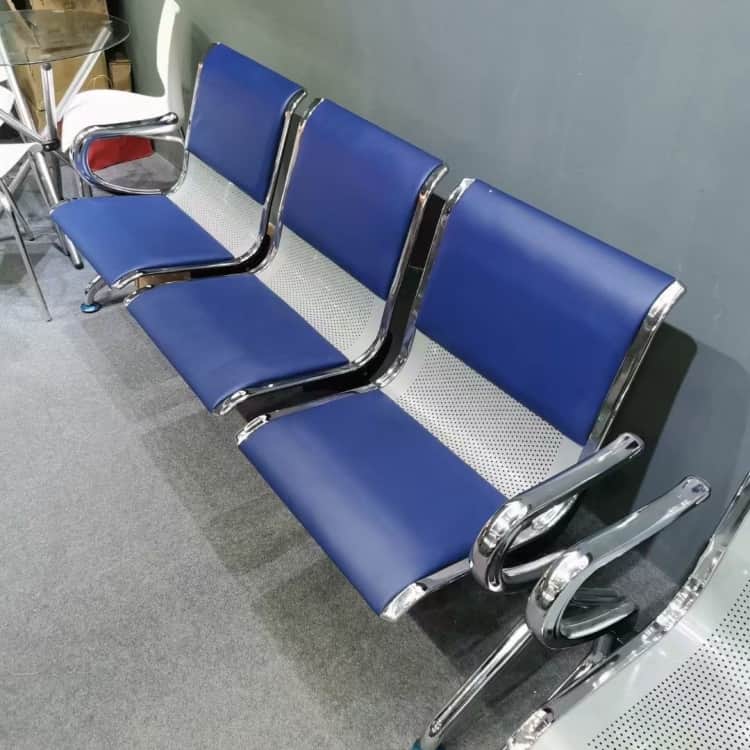
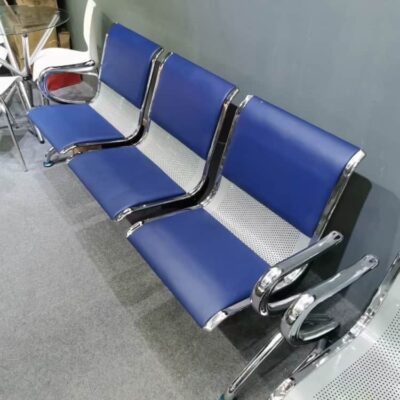
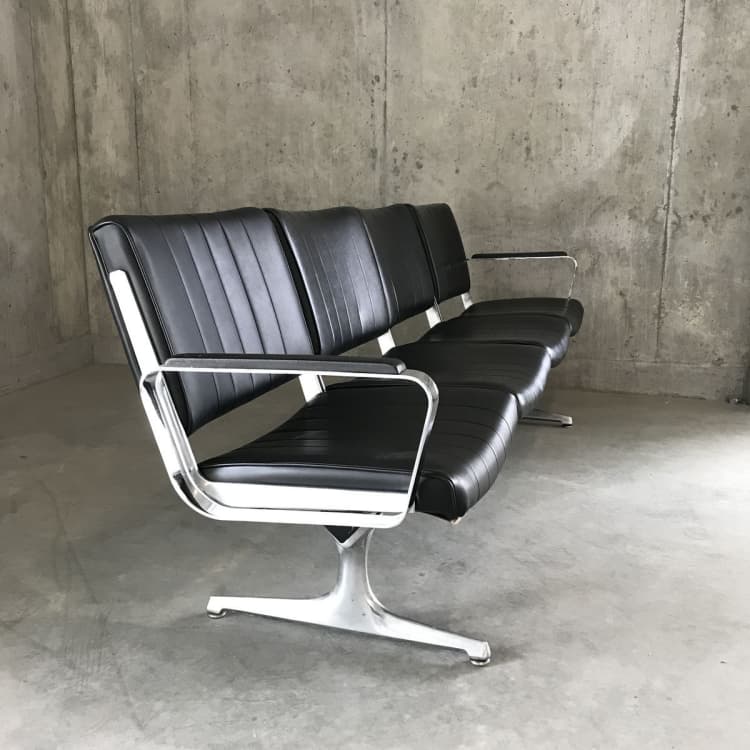
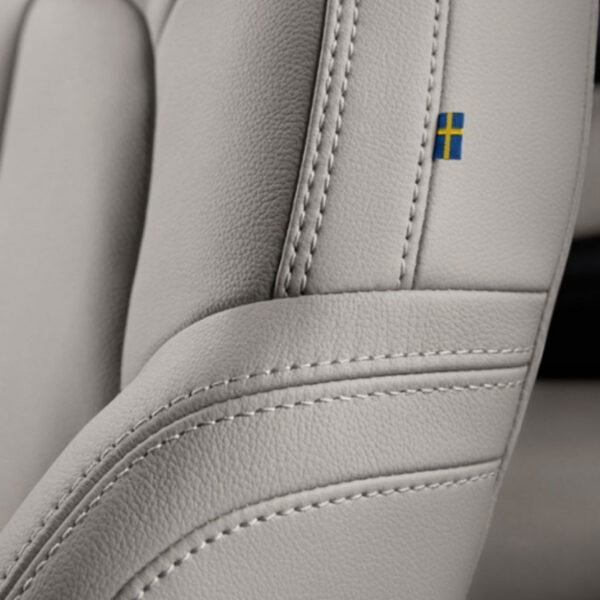
Picture this. You’re a procurement manager for a major international airport. You spent two million dollars three years ago on sleek, modern terminal seating. Today, you walk through Terminal B and see it. The “leather” is flaking off in ugly gray patches. It looks like the chairs have a skin disease. Passengers are complaining. Your maintenance lead says the whole lot needs to be reupholstered.
That sinking feeling in your gut? That’s the cost of a bad material choice.
The culprit isn’t “wear and tear.” It’s a silent, chemical process called hydrolysis. And if you aren’t using Hydrolysis-Resistant Performance Upholstery Material from a specialized maker like Shalite, you’re basically throwing your budget into a paper shredder.
The “Plastic Sandwich” Problem: What’s Actually Happening?
Most people think synthetic leather is just one solid piece of material. It isn’t. It’s more like a sandwich. You have a fabric backing, a foam layer, and then a thin skin of plastic—usually Polyurethane (PU) or Polyvinyl Chloride (PVC).
Now, here’s where it gets messy. PU leather is held together by chemical bonds that absolutely hate water. And I’m not just talking about rain. I’m talking about the humidity in the air. I’m talking about the sweat from a passenger’s legs. I’m talking about the damp cloth the cleaning crew uses every night.
This moisture enters the material and begins a “divorce” at the molecular level. This is hydrolysis. The bonds break. The “skin” of the chair loses its grip on the backing. It starts to bubble. Then it cracks. Finally, it peels away in sheets.
Standard PU leather usually starts this “death spiral” within 24 to 36 months in high-traffic areas. If you’re in a humid climate? Cut that time in half.
Why Shalite’s Silicone Leather is Different
If PU leather is a fragile chemical sandwich, Silicone-Based Leather is a fortress.
Silicone is inorganic. Unlike the carbon-based chains in PU or PVC, silicone doesn’t react with water the same way. It’s like the difference between a wooden bridge and a stone one. One rots; the other doesn’t care if it gets wet.
Shalite’s Silicone Coated Fabric doesn’t use plasticizers to stay soft. PVC leather uses these oily chemicals to keep from being stiff as a board. Over time, those oils leak out (that “new car smell” is actually your upholstery dying). When the oil is gone, the seat cracks. Since Shalite’s material is inherently flexible, it stays soft for a decade or more. No leaks. No cracks. No “skin disease” on your chairs.
The Maintenance Math: A Tale of Two Budgets
Let’s look at the numbers. Procurement officers often get lured in by the low upfront cost of PVC. It’s a trap.
| Initial Purchase Price | $100,000 | $140,000 |
| Replacement Cycle | Every 3 Years | Every 10+ Years |
| Labor Cost (Re-upholstery) | $40,000 (x3 over 10 years) | $0 |
| Cleaning Chemicals | Expensive, specialized pH-neutral | Mild soap and water |
| Total 10-Year Cost | $420,000+ | $140,000 |
You don’t need a math degree to see the winner. Choosing Durable Silicone Leather saves you nearly $300,000 over a decade for every $100k you spend initially. That’s the difference between a promotion and a very uncomfortable meeting with the CFO.
Breathability: The “Sticky Back” Syndrome
Have you ever stood up from a vinyl chair in the summer and felt like the chair was trying to come with you? That’s because standard Silicone Coated Textile often lacks air permeability. You’re sitting on a non-porous sheet of plastic. Your body heat has nowhere to go. You sweat. You stick. You’re miserable.

Shalite has engineered their Performance Upholstery Material with a unique molecular structure. It allows for a level of breathability that mimics natural hide, without the ethical or durability issues of real leather. This is critical for places like:
Hospital Waiting Rooms: Where patients might be sitting for hours in distress.
Airport Lounges: Where comfort is a premium product you’re selling.
Corporate Offices: Where “swamp back” isn’t a good look for the C-suite.
By using Silicone Leather for Upholstery, you’re ensuring that the surface temperature stays regulated. It feels cool in the heat and doesn’t turn into an ice block in the winter.
The “Jungle” Test: Surviving the Cleaning Crew
In the old days (say, 2019), we didn’t clean public seating that often. Maybe a quick wipe. Now? Everything is doused in high-strength disinfectants and alcohol-based cleaners multiple times a day.
This is a nightmare for PVC-Free Upholstery Material made of PU. Alcohol is a solvent. It literally dissolves the topcoat of traditional synthetic leathers. After a few weeks of heavy cleaning, the fabric looks dull, feels sticky, and starts to fail.
Easy-Clean Silicone Leather from Shalite is chemically inert. You can hit it with bleach solutions, 70% isopropyl alcohol, or even heavy-duty hospital cleaners. It won’t degrade. Even permanent marker can be wiped off with a bit of rubbing alcohol without hurting the finish. For a facility manager, this is the holy grail.
Technical Specifications for the “Spec-Heads”
If you’re a technical buyer or a factory engineer, you want the hard data. Here is how Shalite stacks up in the lab:
Martindale Abrasion: Exceeds 200,000 cycles. Most commercial specs only ask for 50k or 100k. This is overkill, and that’s the point. [Reference: https://siliconleatherfactory.com/]
UV Resistance: Rated at Grade 7-8. It won’t fade even if it’s sitting in the direct sun of a glass-walled atrium. UV-Resistant Silicone Leather is built for the light.
Hydrolysis Resistance: Passed the 10-week “Jungle Test” (70°C and 95% humidity). This is equivalent to about 10 years of real-world use in a humid environment.
VOC Emissions: Virtually zero. Unlike PVC, which off-gasses harmful phthalates, this is a Low-VOC Silicone Leather.
The Sustainability Mandate: Green is No Longer Optional
Your Board of Directors is probably breathing down your neck about ESG (Environmental, Social, and Governance) goals. You can’t keep buying PVC. It’s a “toxic” material from production to disposal.
Shalite’s Eco-Friendly Silicone Leather is the answer.
No Solvents: The production process doesn’t use DMF (Dimethylformamide), which is nasty stuff for workers and the water supply.
No Heavy Metals: Lead and cadmium-free.
Recyclable: At the end of its very long life, it doesn’t have to sit in a landfill for 500 years.
When you specify Eco-Friendly Leather Alternative materials, you aren’t just making a “feel-good” choice. You’re future-proofing your procurement against upcoming environmental regulations.
Customization: The Designer’s Secret Weapon
Factories and OEM partners often worry that “performance” means “ugly.” They think they’ll be stuck with three shades of gray and a texture that looks like a basketball.
Not with Shalite. Their OEM Silicone Leather program is a playground for designers.
Custom Texture: Want a grain that looks like pebble-grain calfskin? Or a futuristic geometric 3D print? They can do it. Custom Texture Silicone Leather is their specialty.
Custom Color: They can match any Pantone or brand-specific swatch you throw at them. Custom Color Silicone Leather ensures your airport or hospital doesn’t look like everyone else’s.
Real-World Case Study: The High-Traffic Transit Hub
A major rail company in a tropical region was replacing seat covers every 14 months. The combination of high humidity, passenger sweat, and spilled sugary sodas was creating a “bio-film” on the seats that couldn’t be cleaned without destroying the PU fabric.
They switched to Shalite’s Hydrolysis-Resistant Silicone Leather.
The result?
Thirty months later, the seats were inspected. Not a single seat showed signs of cracking or peeling. The cleaning staff reported that they had reduced their cleaning chemical budget by 22% because they no longer needed specialized degreasers. The “sticky” feeling was gone. Passenger complaints about “dirty chairs” dropped by 65%.
5 Frequently Asked Questions (The Hard Truths)
1. Is it really more expensive than PU?
Yes, per yard. But if you’re a high-volume factory or a long-term facility manager, looking at the yardage price is a mistake. Look at the installed cost over five years. Silicone is significantly cheaper because you only buy it once.
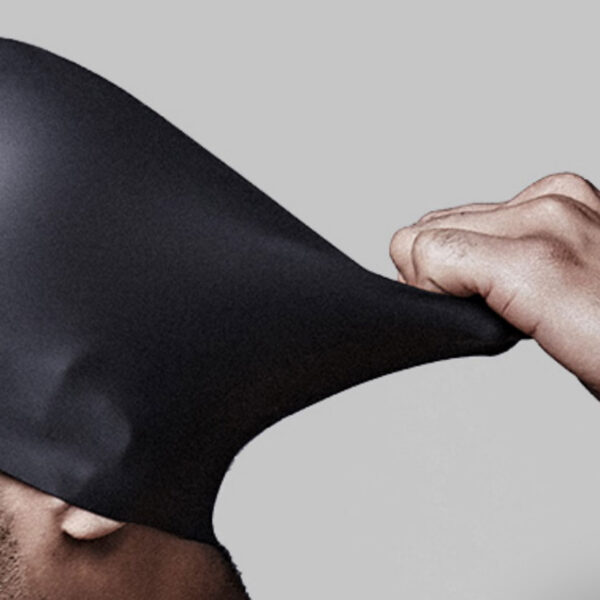
2. Does it feel like a swimming cap?
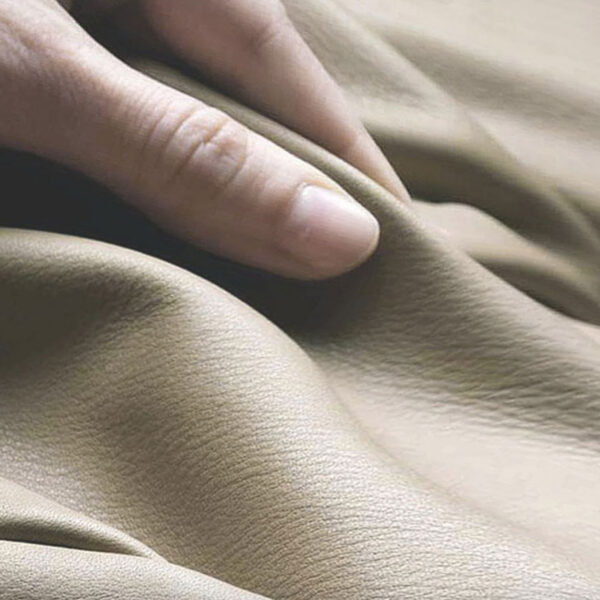
Cheap silicone might. Shalite’s Soft-Touch Silicone Leather, however, is engineered with a “dry” hand-feel. It feels premium, supple, and very much like high-end leather. It’s definitely not “rubbery.”
3. Can it be used outdoors?
Absolutely. It’s Weather-Resistant Silicone Leather. It doesn’t care about rain, frost, or scorching sun. It won’t get brittle in the cold or “melt” in the heat.
4. Is it fire-safe?
Yes. It meets the most stringent fire safety standards for aviation, marine, and public furniture (like BS5852 or CA TB117). And it does it without the toxic bromine-based flame retardants that are being banned worldwide.
5. How do I know I’m getting “real” Shalite silicone leather?
Always work with a verified Silicone Leather Supplier. The market is being flooded with “silicone-blends” that are really just PU leathers with a tiny bit of silicone sprayed on top. Those will still peel. You want the real, 100% silicone coating.
Conclusion: Stop Buying Twice
In the world of high-volume manufacturing and public procurement, there is an old saying: “I’m too poor to buy cheap things.”
Buying cheap PVC-Free Silicone Leather that isn’t actually hydrolysis-resistant is the most expensive mistake you can make. It leads to labor costs, downtime, and a tarnished brand reputation.
Shalite has solved the hydrolysis problem. They’ve solved the breathability problem. They’ve even solved the “sticky back” problem. If you’re building seats for people who will be there a while—whether they’re waiting for a plane, a doctor, or a train—do yourself a favor. Choose the material that’s as tough as your environment.
Check out the full range of Silicone Leather Products and stop the peeling before it starts. Your budget (and your passengers) will thank you.
The Hidden Budget Killer: Why Your Public Seating is Peeling and How to Stop the Bleeding
Picture this. You’re a procurement manager for a major international airport. You spent two million dollars three years ago on sleek, modern terminal seating. Today, you walk through Terminal B and see it. The “leather” is flaking off in ugly gray patches. It looks like the chairs have a skin disease. Passengers are complaining. Your maintenance lead says the whole lot needs to be reupholstered.
That sinking feeling in your gut? That’s the cost of a bad material choice.
The culprit isn’t “wear and tear.” It’s a silent, chemical process called hydrolysis. And if you aren’t using Hydrolysis-Resistant Performance Upholstery Material from a specialized maker like Shalite, you’re basically throwing your budget into a paper shredder.
The “Plastic Sandwich” Problem: What’s Actually Happening?
Most people think synthetic leather is just one solid piece of material. It isn’t. It’s more like a sandwich. You have a fabric backing, a foam layer, and then a thin skin of plastic—usually Polyurethane (PU) or Polyvinyl Chloride (PVC).
Now, here’s where it gets messy. PU leather is held together by chemical bonds that absolutely hate water. And I’m not just talking about rain. I’m talking about the humidity in the air. I’m talking about the sweat from a passenger’s legs. I’m talking about the damp cloth the cleaning crew uses every night.
This moisture enters the material and begins a “divorce” at the molecular level. This is hydrolysis. The bonds break. The “skin” of the chair loses its grip on the backing. It starts to bubble. Then it cracks. Finally, it peels away in sheets.
Standard PU leather usually starts this “death spiral” within 24 to 36 months in high-traffic areas. If you’re in a humid climate? Cut that time in half.
Why Shalite’s Silicone Leather is Different
If PU leather is a fragile chemical sandwich, Silicone-Based Leather is a fortress.
Silicone is inorganic. Unlike the carbon-based chains in PU or PVC, silicone doesn’t react with water the same way. It’s like the difference between a wooden bridge and a stone one. One rots; the other doesn’t care if it gets wet.
Shalite’s Silicone Coated Fabric doesn’t use plasticizers to stay soft. PVC leather uses these oily chemicals to keep from being stiff as a board. Over time, those oils leak out (that “new car smell” is actually your upholstery dying). When the oil is gone, the seat cracks. Since Shalite’s material is inherently flexible, it stays soft for a decade or more. No leaks. No cracks. No “skin disease” on your chairs.
The Maintenance Math: A Tale of Two Budgets
Let’s look at the numbers. Procurement officers often get lured in by the low upfront cost of PVC. It’s a trap.
| Initial Purchase Price | $100,000 | $140,000 |
| Replacement Cycle | Every 3 Years | Every 10+ Years |
| Labor Cost (Re-upholstery) | $40,000 (x3 over 10 years) | $0 |
| Cleaning Chemicals | Expensive, specialized pH-neutral | Mild soap and water |
| Total 10-Year Cost | $420,000+ | $140,000 |
You don’t need a math degree to see the winner. Choosing Durable Silicone Leather saves you nearly $300,000 over a decade for every $100k you spend initially. That’s the difference between a promotion and a very uncomfortable meeting with the CFO.
Breathability: The “Sticky Back” Syndrome
Have you ever stood up from a vinyl chair in the summer and felt like the chair was trying to come with you? That’s because standard Silicone Coated Textile often lacks air permeability. You’re sitting on a non-porous sheet of plastic. Your body heat has nowhere to go. You sweat. You stick. You’re miserable.
Shalite has engineered their Performance Upholstery Material with a unique molecular structure. It allows for a level of breathability that mimics natural hide, without the ethical or durability issues of real leather. This is critical for places like:
Hospital Waiting Rooms: Where patients might be sitting for hours in distress.
Airport Lounges: Where comfort is a premium product you’re selling.
Corporate Offices: Where “swamp back” isn’t a good look for the C-suite.
By using Silicone Leather for Upholstery, you’re ensuring that the surface temperature stays regulated. It feels cool in the heat and doesn’t turn into an ice block in the winter.
The “Jungle” Test: Surviving the Cleaning Crew
In the old days (say, 2019), we didn’t clean public seating that often. Maybe a quick wipe. Now? Everything is doused in high-strength disinfectants and alcohol-based cleaners multiple times a day.
This is a nightmare for PVC-Free Upholstery Material made of PU. Alcohol is a solvent. It literally dissolves the topcoat of traditional synthetic leathers. After a few weeks of heavy cleaning, the fabric looks dull, feels sticky, and starts to fail.
Easy-Clean Silicone Leather from Shalite is chemically inert. You can hit it with bleach solutions, 70% isopropyl alcohol, or even heavy-duty hospital cleaners. It won’t degrade. Even permanent marker can be wiped off with a bit of rubbing alcohol without hurting the finish. For a facility manager, this is the holy grail.
Technical Specifications for the “Spec-Heads”
If you’re a technical buyer or a factory engineer, you want the hard data. Here is how Shalite stacks up in the lab:
Martindale Abrasion: Exceeds 200,000 cycles. Most commercial specs only ask for 50k or 100k. This is overkill, and that’s the point. [Reference: https://siliconleatherfactory.com/]
UV Resistance: Rated at Grade 7-8. It won’t fade even if it’s sitting in the direct sun of a glass-walled atrium. UV-Resistant Silicone Leather is built for the light.
Hydrolysis Resistance: Passed the 10-week “Jungle Test” (70°C and 95% humidity). This is equivalent to about 10 years of real-world use in a humid environment.
VOC Emissions: Virtually zero. Unlike PVC, which off-gasses harmful phthalates, this is a Low-VOC Silicone Leather.
The Sustainability Mandate: Green is No Longer Optional
Your Board of Directors is probably breathing down your neck about ESG (Environmental, Social, and Governance) goals. You can’t keep buying PVC. It’s a “toxic” material from production to disposal.
Shalite’s Eco-Friendly Silicone Leather is the answer.
No Solvents: The production process doesn’t use DMF (Dimethylformamide), which is nasty stuff for workers and the water supply.
No Heavy Metals: Lead and cadmium-free.
Recyclable: At the end of its very long life, it doesn’t have to sit in a landfill for 500 years.
When you specify Eco-Friendly Leather Alternative materials, you aren’t just making a “feel-good” choice. You’re future-proofing your procurement against upcoming environmental regulations.
Customization: The Designer’s Secret Weapon
Factories and OEM partners often worry that “performance” means “ugly.” They think they’ll be stuck with three shades of gray and a texture that looks like a basketball.
Not with Shalite. Their OEM Silicone Leather program is a playground for designers.
Custom Texture: Want a grain that looks like pebble-grain calfskin? Or a futuristic geometric 3D print? They can do it. Custom Texture Silicone Leather is their specialty.
Custom Color: They can match any Pantone or brand-specific swatch you throw at them. Custom Color Silicone Leather ensures your airport or hospital doesn’t look like everyone else’s.
Real-World Case Study: The High-Traffic Transit Hub
A major rail company in a tropical region was replacing seat covers every 14 months. The combination of high humidity, passenger sweat, and spilled sugary sodas was creating a “bio-film” on the seats that couldn’t be cleaned without destroying the PU fabric.
They switched to Shalite’s Hydrolysis-Resistant Silicone Leather.
The result?
Thirty months later, the seats were inspected. Not a single seat showed signs of cracking or peeling. The cleaning staff reported that they had reduced their cleaning chemical budget by 22% because they no longer needed specialized degreasers. The “sticky” feeling was gone. Passenger complaints about “dirty chairs” dropped by 65%.
5 Frequently Asked Questions (The Hard Truths)
1. Is it really more expensive than PU?
Yes, per yard. But if you’re a high-volume factory or a long-term facility manager, looking at the yardage price is a mistake. Look at the installed cost over five years. Silicone is significantly cheaper because you only buy it once.
2. Does it feel like a swimming cap?
Cheap silicone might. Shalite’s Soft-Touch Silicone Leather, however, is engineered with a “dry” hand-feel. It feels premium, supple, and very much like high-end leather. It’s definitely not “rubbery.”
3. Can it be used outdoors?
Absolutely. It’s Weather-Resistant Silicone Leather. It doesn’t care about rain, frost, or scorching sun. It won’t get brittle in the cold or “melt” in the heat.
4. Is it fire-safe?
Yes. It meets the most stringent fire safety standards for aviation, marine, and public furniture (like BS5852 or CA TB117). And it does it without the toxic bromine-based flame retardants that are being banned worldwide.
5. How do I know I’m getting “real” Shalite silicone leather?
Always work with a verified Silicone Leather Supplier. The market is being flooded with “silicone-blends” that are really just PU leathers with a tiny bit of silicone sprayed on top. Those will still peel. You want the real, 100% silicone coating.
Conclusion: Stop Buying Twice
In the world of high-volume manufacturing and public procurement, there is an old saying: “I’m too poor to buy cheap things.”
Buying cheap PVC-Free Silicone Leather that isn’t actually hydrolysis-resistant is the most expensive mistake you can make. It leads to labor costs, downtime, and a tarnished brand reputation.
Shalite has solved the hydrolysis problem. They’ve solved the breathability problem. They’ve even solved the “sticky back” problem. If you’re building seats for people who will be there a while—whether they’re waiting for a plane, a doctor, or a train—do yourself a favor. Choose the material that’s as tough as your environment.
Check out the full range of Silicone Leather Products and stop the peeling before it starts. Your budget (and your passengers) will thank you.