The “Indestructible” Lobby: Why Smart Procurement Pros are Ditching Vinyl for Shalite’s Nano-Polymer Silicone
Let’s talk about that “Friday afternoon” phone call. You know the one. It’s a facility manager from your biggest contract project—maybe a hospital wing or a high-end hotel—complaining that the “premium” seating you specified eighteen months ago is already peeling like a bad sunburn.
As a procurement manager or technical buyer, that call is a nightmare. It means your “cost-effective” choice just became an expensive logistical disaster.
I’ve spent years looking at textiles, and I’ve seen it all. The cracked vinyl, the sticky PU, the fabrics that smell like a chemical plant. But lately, things have changed. We’ve moved past the era of “disposable” upholstery. If you’re still betting your reputation on old-school polymers, you’re leaving money—and your sanity—on the table.
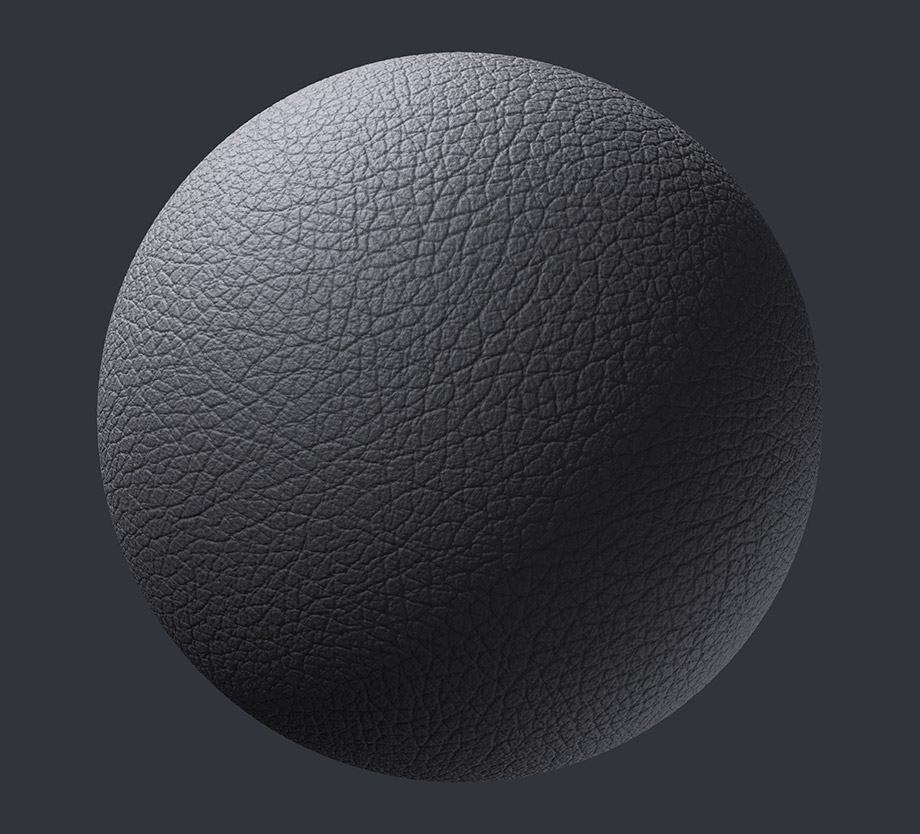
The solution isn’t just “better” leather; it’s a fundamental change in chemistry. We’re talking about Nano Polymer Coated Textile technology, specifically the Silicone Leather coming out of the Shalite labs.
What Makes Silicone Different at the Molecular Level
When people hear “silicone,” they usually picture kitchen tools or tube sealant. But in high-end seating, it’s pretty much in a league of its own.
The big difference comes down to plasticizers. Materials like PVC and PU need these chemical additives just to stay bendable. The problem? Plasticizers move. Over time, they evaporate and seep out—that’s literally why old vinyl seats turn stiff and start cracking.
Silicone doesn’t have that flaw. Its flexibility is baked right into its chemical structure, so it stays soft over time without drying out.
Performance Breakdown: The Cold, Hard Numbers
When I’m evaluating a new Silicone Leather Material, I don’t care about the marketing fluff. I care about the specs.
| Wyzenbeek Abrasion | 50k – 100k cycles | 100k cycles | 200k – 300k+ cycles |
| Hydrolysis Resistance | 3-5 years | N/A (cracks) | 10+ years (Jungle Test) |
| Stain Resistance | Requires top-coat | Poor | Inherent (Low Surface Energy) |
| Environmental Impact | High Solvents | Phthalates/Lead | Zero Solvents / Eco-Friendly |
| Cleaning | Gentle soap only | Harsh (damages surface) | Bleach & Alcohol Resistant |
“But Will it Clean?” The Denim and Coffee Test
If you’re spec-ing for Contract Seating, your biggest enemy isn’t wear—it’s stains. Specifically, blue jean dye transfer. It’s the silent killer of light-colored furniture.
Traditional fabrics have “pores.” Once that blue dye or a spilled espresso gets in there, it’s a permanent resident. However, Durable Silicone Leather has incredibly low surface energy. Stuff just doesn’t want to stick to it. I’ve seen permanent marker wiped off these surfaces with nothing but a dry cloth.
For a high-volume Silicone Leather Factory, this “easy-clean” factor is the primary selling point for the healthcare and hospitality sectors. When a nurse can wipe down a waiting room chair with heavy-duty disinfectants and not worry about the material degrading, you’ve won the game.

Sustainability: Not Just for the Brochure
We’re all under pressure to be “greener.” But in procurement, “green” usually means “fragile.”
That’s where Eco-Friendly Silicone Leather breaks the mold. Shalite’s process is solvent-free. There are no VOCs (Volatile Organic Compounds) off-gassing into the building’s HVAC system. When you use PVC-Free Silicone Leather, you aren’t just helping the planet; you’re ensuring the indoor air quality of your project meets the highest standards (like LEED or WELL).
The “Odor” Factor
Have you ever walked into a room full of new vinyl chairs? That “new car smell” is actually chemicals off-gassing. It’s literally the smell of the material breaking down. Low-VOC Silicone Leather is virtually odorless. In a luxury hotel or a medical clinic, that lack of “chemical stank” is a massive hidden benefit.

Customization: Making the Tech Fit the Brand
One thing I appreciate about working with a Silicone Leather Supplier like Shalite is the OEM Silicone Leather capability.
Technical buyers often think they have to sacrifice “look” for “performance.” But nano-polymer coatings can be engineered with almost any grain.
Want a Custom Color Silicone Leather that matches a specific Pantone for a corporate HQ? Done.
Need a Custom Texture Silicone Leather that feels like raw linen but cleans like glass? That’s where the tech shines.
The “Total Cost of Ownership” Argument
Let’s get real about the budget. Yes, Silicone Upholstery Material might cost more upfront than the bargain-basement vinyl your competitor is using.
But do the math. If you’re a Silicone Leather Manufacturer or a high-volume factory, you know that the “cheap” stuff fails. And when it fails, you’re paying for:
New materials.
Shipping.
Labor for reupholstery.
Brand damage.
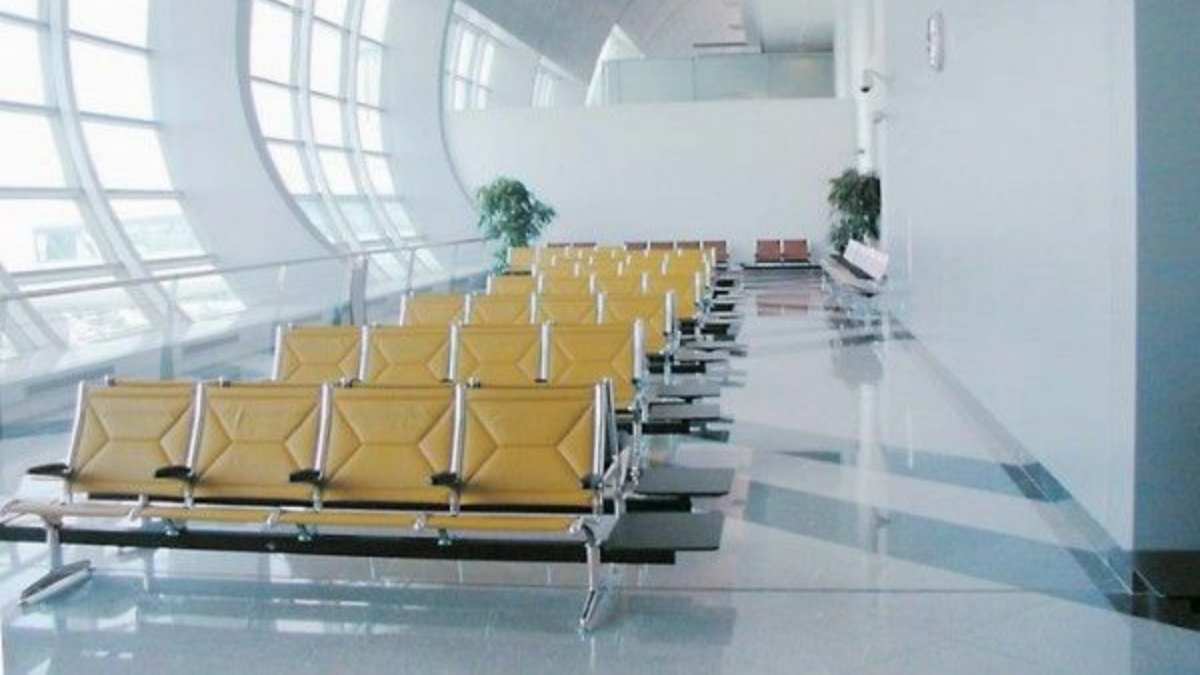
By using Performance Upholstery Material, you’re essentially buying insurance for your project’s future. I’ve seen seats in high-traffic airports that still look brand new after five years of 24/7 use. That’s the ROI that keeps clients coming back.
Applications That Demand Nano-Polymers
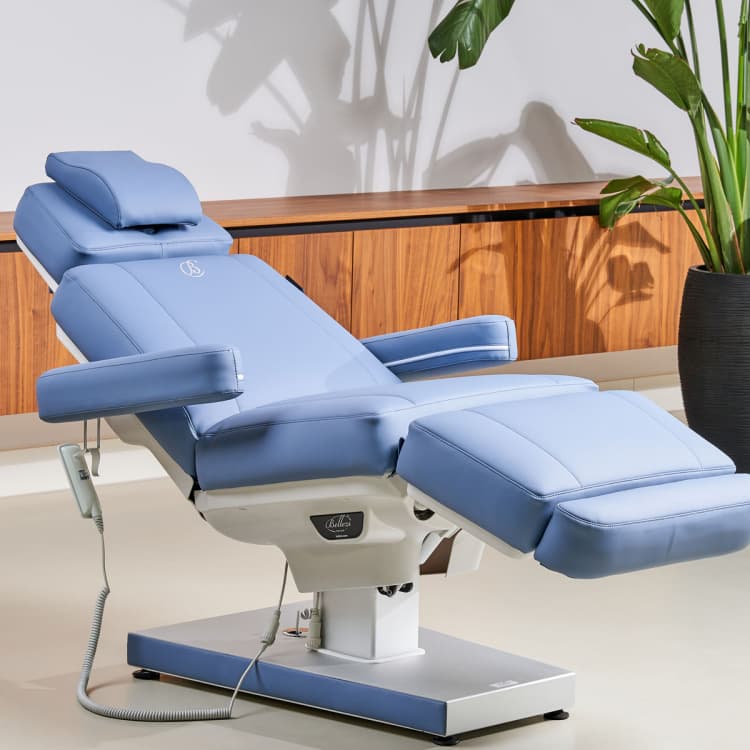
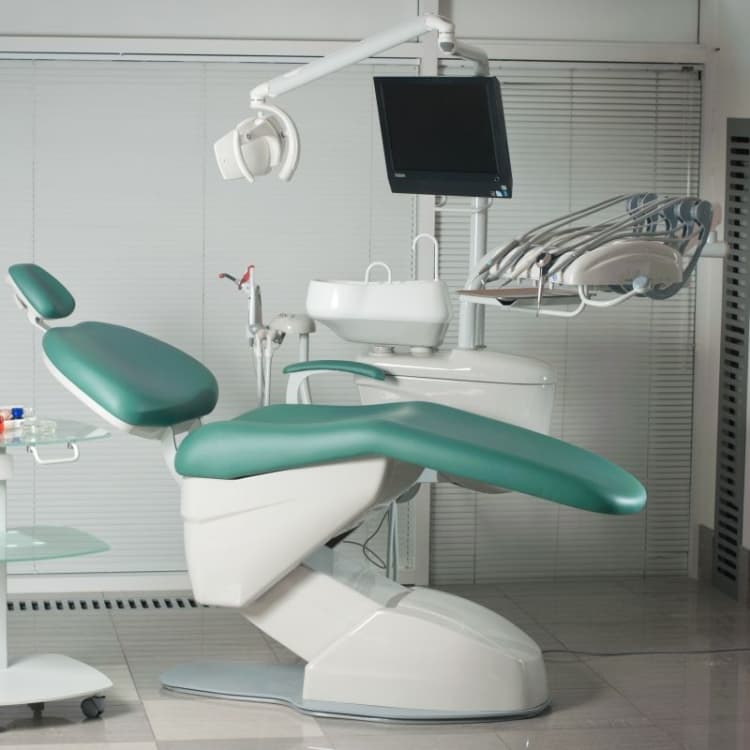
Healthcare: Silicone Leather for Upholstery is non-porous and resists bacteria growth. It handles the “nuclear” cleaners hospitals use without cracking.
Marine: Marine Silicone Leather laughs at salt spray and doesn’t get sticky in the heat. Plus, it has incredible UV-Resistant Silicone Leather properties.
Education: Silicone Leather for Bags and seating in schools needs to survive everything from spilled soda to sharp pencils.
FAQ: What the Pros Ask
1. Is it really more durable than traditional leather?
In terms of maintenance and environmental resistance, yes. While top-grain leather is beautiful, it’s a diva. It needs conditioning, it stains, and it hates sunlight. Abrasion-Resistant Silicone Leather gives you the look without the high-maintenance attitude.
2. Can it handle “industrial” cleaners?
Absolutely. One of the biggest perks of Silicone Coated Textile is its chemical stability. You can use 10% bleach solutions or 70% alcohol wipes consistently, and the surface won’t break down like PU does.
3. Is it breathable?
Surprisingly, yes. Unlike PVC, which feels like sitting on a plastic bag, the Soft-Touch Silicone Leather by Shalite is engineered to allow for some moisture vapor transmission. It’s much more comfortable for long-term sitting.
4. How does it handle fire safety?
Silicone is naturally flame-retardant. It doesn’t need the toxic bromine-based flame retardants that many other materials require to pass the CAL 117 or BS5852 tests.
5. Why Shalite?
They are a Wholesale Silicone Leather powerhouse that focuses on the “science” of the fabric. They aren’t just selling a roll of material; they are providing a technical solution for high-volume production.
Final Thoughts: The Shift is Happening
I’ll leave you with this: the “low bid” is rarely the “best bid.” In the contract world, your reputation is only as good as the last project you finished. If those seats fail, it’s your name on the line.
Switching to a Nano Polymer Coated Textile isn’t just a “green” move or a “trendy” move. It’s a survival move. It’s about building things that last, reducing waste, and making sure that “Friday afternoon” phone call never happens.
If you’re ready to stop apologizing for your upholstery and start bragging about it, it’s time to look at what Shalite is doing. Your budget (and your facility managers) will thank you.