The Silicone Shift: A Technical Buyer’s Guide to Engineering the Next Generation of High-Performance Gloves with Shalite
If you are sitting in a procurement office or managing a high-volume glove factory, you know the literal headache of material failure. You’ve seen the returns. You’ve dealt with peeling PU leather, cracked PVC, and the skyrocketing, unpredictable costs of genuine hide. It is a cycle of frustration that eats into margins, yet many stay stuck in it because they think there isn’t a better way.
Well, I’m here to tell you there is.
At Shalite, we’ve watched the market shift in real-time. The era of “disposable” performance gear is dying. Today, we are looking at a breakthrough that sounds like science fiction but performs like a workhorse: Premium Silicone Upholstery Material. This isn’t just another plastic-coated fabric; it is a fundamental shift in how we think about hand protection, comfort, and production yield.
The Breaking Point: Why Traditional Glove Materials are Costing You Money
Let’s be honest about the materials we’ve used for decades. Genuine leather is beautiful, sure, but it is a nightmare for consistency. One hide is thick, the next is thin. It requires heavy chemical tanning that makes environmental auditors lose sleep. Then you have PU (Polyurethane). It looks great on day one, but it starts to delaminate (that ugly peeling) the moment it hits sweat or high humidity. PVC is even worse; it’s stiff, it smells like a chemical plant, and it contains plasticizers that are increasingly banned in global markets.
When a technical buyer looks at a production run of 50,000 units, they aren’t just looking for a cheap price. They are looking for “Yield.” You want a material that behaves the same from the first inch of the roll to the last. This is where Silicone-Based Leather changes the game for your factory floor.
The Science of Stability: Why Silicone Outperforms Carbon-Based Synthetics
Silicone is an inorganic polymer. Unlike PU, which is carbon-based and prone to breaking down under UV light or heat, silicone is remarkably stable. Think about the silicone spatulas in your kitchen or the seals on a spacecraft. Now, imagine that same resilience applied to a glove.
For the manufacturer, Silicone Coated Textile offers a level of performance that was previously unreachable. It doesn’t use solvents during production, so there are no nasty VOCs (Volatile Organic Compounds) outgassing in your warehouse. It is inherently flame retardant. Most importantly for gloves, it offers a “grip” that actually improves when things get a little damp.
Hard Data for Technical Buyers: The Performance Metrics
If you are a technical buyer, you don’t care about marketing fluff. You care about the Martindale test. You care about tensile strength. You care about whether the material will crack in a freezer or melt on a hot engine.
Below is a comparison of how Shalite’s Silicone Leather Material stacks up against the usual suspects.
Table 1: Industrial Performance Comparison
| Abrasion Resistance | >200,000 cycles | 30,000 – 50,000 cycles | Variable (High) |
| UV Stability | Grade 7-8 (Excellent) | Grade 3-4 (Yellows) | Grade 4 (Fades/Cracks) |
| Hydrolysis Resistance | 10+ Years | 1-3 Years | N/A (Rots if wet) |
| Cold Crack Point | -40°C | -10°C | -20°C |
| Chemical Resistance | High (Bleach/Alcohol) | Low | Low |
| Eco-Certification | REACH/RoHS/Oeko-Tex | Often fails REACH | High environmental cost |
Engineering the “Second Skin”: Dexterity Meets Durability
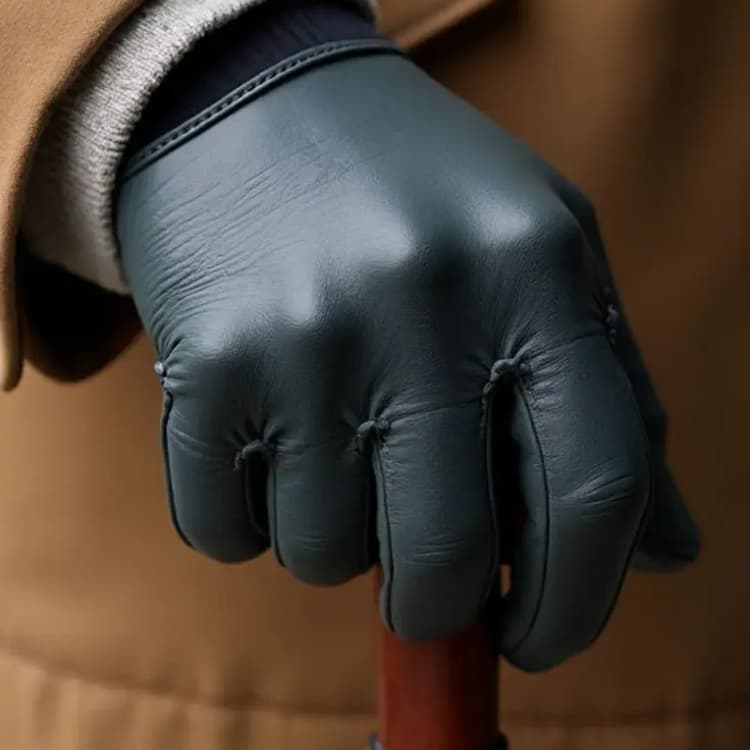
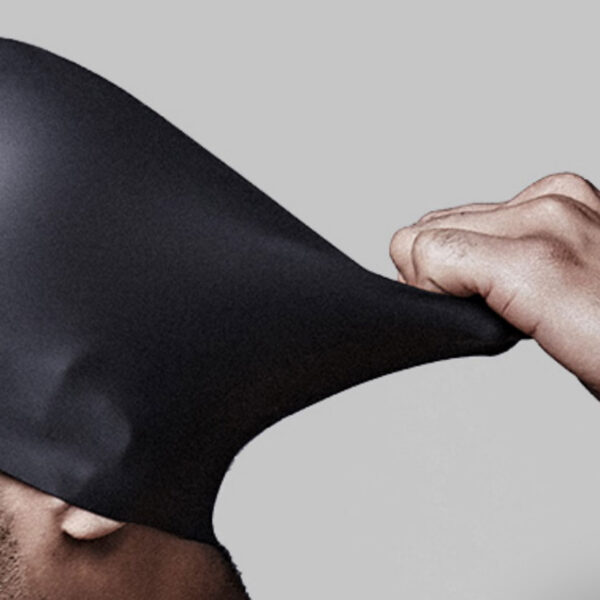
One of the biggest hurdles in glove design is the trade-off between durability and dexterity. If a glove is tough, it is usually stiff. If it is soft, it wears out in a week. Soft-Touch Silicone Leather breaks this paradox.
Because silicone is naturally flexible, it doesn’t require the heavy doses of plasticizers that PVC needs to stay supple. This means the material stays soft for the life of the product. For a worker wearing gloves for eight hours a day, or a motorcyclist gripping handles at 70 mph, this “second skin” feel is not a luxury—it is a safety feature.
Solving the Factory Floor Puzzle: Efficiency and Yield
If you run a high-volume factory, you know that downtime is the enemy. Silicone Leather Manufacturer partners like Shalite focus on what we call “Processability.”
Consistent Thickness: Unlike animal hides which vary in thickness across the flank and belly, silicone leather is uniform. You can stack-cut 50 layers with a CNC machine and every single piece will be identical.
No Edge Fraying: The Silicone Coated Fabric construction means you get clean edges. This reduces the need for complex hemming and saves hours on the sewing line.
Adhesion Mastery: Modern silicone leathers are designed to work with standard industrial adhesives and stitching techniques. You don’t need to reinvent your entire assembly line to switch materials.
The 500-Hour Salt Spray Challenge: A Case Study
A leading marine glove manufacturer recently approached us with a problem. Their previous PU-based gloves were failing within three months of use on offshore rigs. The salt air and constant moisture were literally “eating” the synthetic leather.
We provided our Marine Silicone Leather. In independent testing, the material was subjected to a 500-hour salt spray test. The result? Zero degradation. No color change. No loss of grip. The factory switched their entire production line to Shalite silicone, and their warranty claims dropped by 82% in the first year.

Sustainable by Design: Meeting Global Compliance Standards
Let’s talk about the “Green” elephant in the room. Most “Eco-friendly” leathers are just PU with a bit of recycled polyester backing. They still rely on petroleum, and they still end up in landfills where they won’t decompose for centuries.
Eco-Friendly Silicone Leather is a different beast. Silicone is derived from silica (sand). The production process is much cleaner than the solvent-heavy methods used for PU or the toxic tanning processes for real leather.
PVC-Free Silicone Leather: No chlorine and no dioxins.
Low-VOC Upholstery Material: Better air quality in your factory and for the end-user.
Cruelty-Free: It is 100% vegan, yet it outperforms the animal version in almost every industrial metric.
The demand for silicone-based synthetics is growing at a CAGR of over 7% as brands push for “Circular Economy” compliance.
Customization: Making the Material Your Own
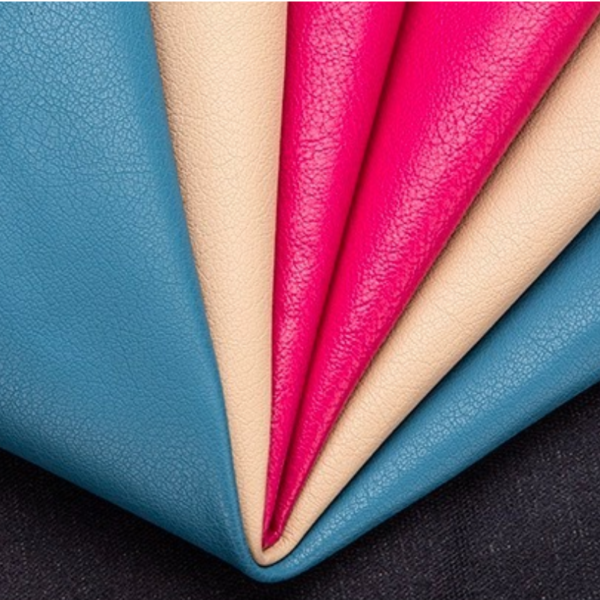
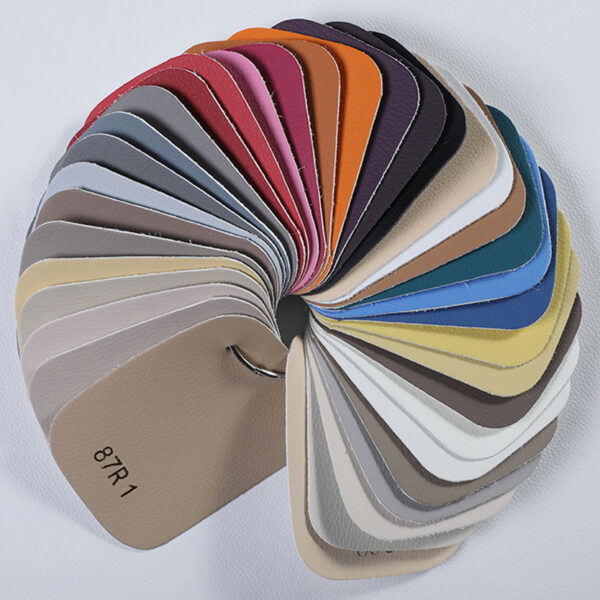
In a crowded market, “off-the-shelf” just doesn’t cut it. You need a specific grain. You need a specific “grab” or friction coefficient. You need a color that matches your brand’s Pantone perfectly.
This is where the Custom Silicone Leather service becomes your secret weapon. At our Silicone Leather Factory, we can adjust the top-coat formulation. Want it extra grippy for football gloves? We can do that. Want it smooth and matte for luxury driving gloves? We can do that too.
The Bottom Line: Total Cost of Ownership (TCO)
I hear it all the time: “But silicone is more expensive than PU.”
On a per-meter basis? Yes, it is. But let’s look at the “Total Cost of Ownership.”
Reduced Waste: You get 100% usable surface area vs. 60-70% for real leather.
Lower Returns: High durability means fewer disgruntled customers and fewer warranty payouts.
Brand Value: Being able to market your gloves as “Ultra-Durable” and “Eco-Friendly” allows you to command a higher retail price point.
When you do the math, the “expensive” material often ends up being the most profitable one for the business.

Frequently Asked Questions (FAQ)
1. Is silicone leather breathable enough for heavy sports use?
It certainly can be. While silicone is naturally a barrier, we can engineer Silicone Leather for Gloves with micro-perforations or use specific breathable backing textiles to ensure moisture management during high-intensity activity.
2. How do you clean silicone leather gloves?
It is the easiest material to maintain. Because it is non-porous, dirt and sweat stay on the surface. Usually, a damp cloth is all you need. For industrial stains, you can use soap and water or even a diluted bleach solution without damaging the Durable Silicone Leather.
3. Does silicone leather peel like PU?
No. Peeling in PU is usually caused by hydrolysis (breakdown by water). Silicone is chemically inert to water. It doesn’t “dry out” or “flake” over time, even in humid tropical environments.
4. Can I get custom textures for a specific OEM project?
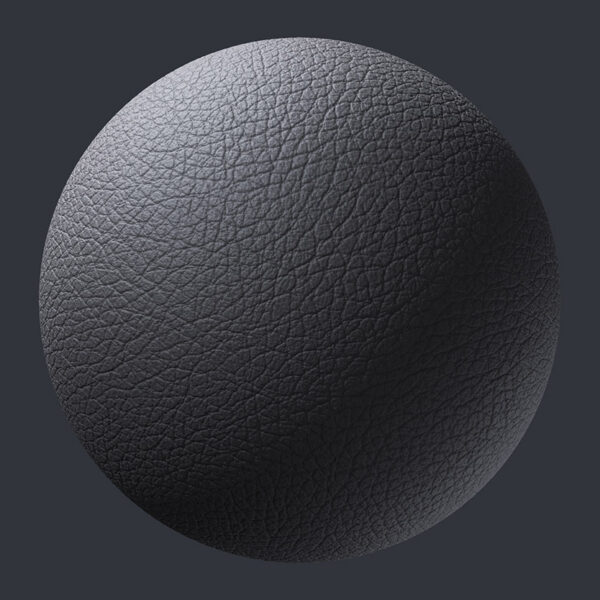
Absolutely. Our Custom Texture Silicone Leather service allows you to create unique grains—from carbon fiber patterns to traditional pebbled leather looks—giving your product a distinct edge on the shelf.
5. Does it meet safety standards for industrial work gloves?
Yes. Our materials are designed to meet REACH and RoHS requirements. They are also inherently flame resistant and offer excellent electrical insulation properties.
Summary: Future-Proofing Your Production Line
If you are tired of the “same old” materials that fail under pressure, it is time to look at Silicone Upholstery Material. It is a material that respects the environment and, more importantly, respects your bottom line.
Whether you are producing tactical gear for the military, high-fashion gloves for the runway, or safety gear for the oil and gas industry, the switch to silicone is no longer a question of “if,” but “when.” The question for you is: will you be the first to offer it to your customers, or will you be playing catch-up when your competitors make the move?
At Shalite, we don’t just sell fabric; we provide the foundation for better products. If you are ready to see the difference for yourself, contact our Wholesale Silicone Leather department today. Let’s build something that lasts.