The Buyer’s Guide to Not Getting Burned: Why Custom Silicone is Killing the Vinyl Market
I’ve sat across the desk from enough procurement managers to know exactly what keeps them awake at 2:00 AM. It isn’t just the quarterly budget. It’s the terrifying thought of 5,000 units of “premium” seating arriving at a client’s site, only to start “snowing”—that lovely industry term for when cheap PU leather flakes off like a bad case of dandruff.
Or maybe it’s the “Color Gap.” You order a thousand yards of “Slate Blue,” but what shows up looks more like “Depressing Grey.” For a high-volume factory, that’s not just a mistake; it’s a logistical catastrophe.
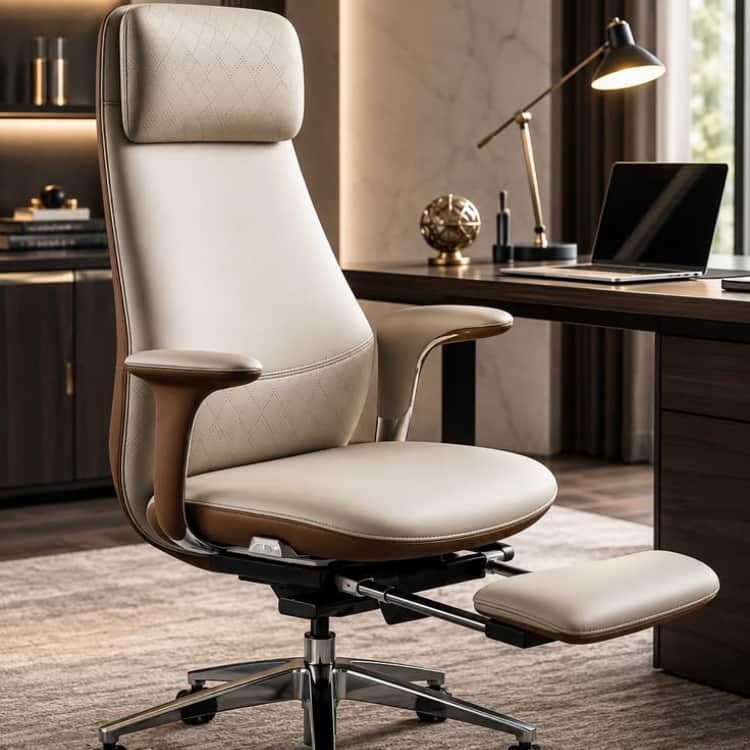
If you’re sourcing for a serious brand, you already know the old guard of PVC and PU is failing. That’s why we’re seeing a massive pivot toward Custom Color Silicone Upholstery Material.
At Shalite, I’ve watched this transition happen in real-time. It’s not just about a “new fabric.” It’s about moving away from materials that rely on toxic chemistry and moving toward a polymer that actually does what it says on the tin.
The Chemistry of the “Marathon” Material
Let’s be honest: traditional synthetics are built for the sprint. They look great in the showroom, but they have a short shelf life. PVC (Vinyl) is basically a rigid pipe that’s been forced to be soft by adding “plasticizers.” Over time, those oils leak out. The fabric gets brittle. It cracks. It’s a chemical inevitability.
Silicone-Based Leather, however, is the marathon runner. It’s a fundamentally different animal. It doesn’t use those leaky oils. It stays soft because its molecular backbone is built that way.
Why Technical Buyers are Dumping PVC
| Aging | Gets brittle and “crusty” | Stays soft for a decade+ |
| Smell | That “chemical” off-gassing | Low-VOC (Odorless) |
| Cleaning | Needs specialized cleaners | Easy-Clean (Soap and Water) |
| Safety | Contains Phthalates | PVC-Free and Non-Toxic |
| Heat | Gets sticky in the sun | Naturally heat-stable |
The “Bespoke” Headache: Solving the Color Crisis
I once knew a procurement guy who had to scrap an entire line of office chairs because the “Corporate Red” didn’t match the brand’s logo. It was off by just a hair, but it was enough to kill the contract.

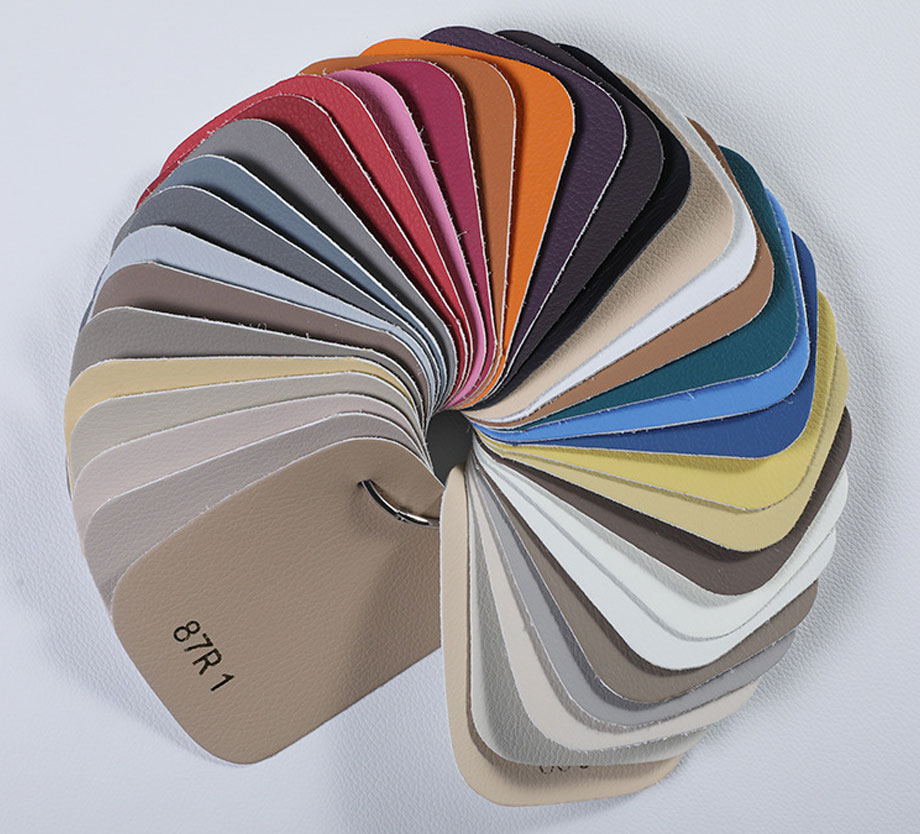
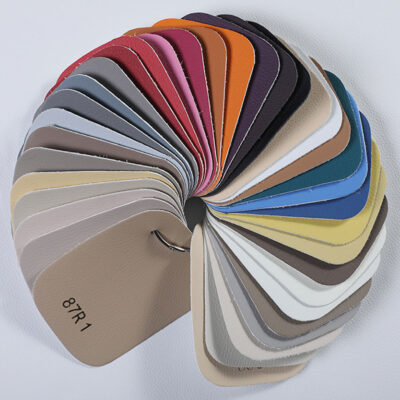
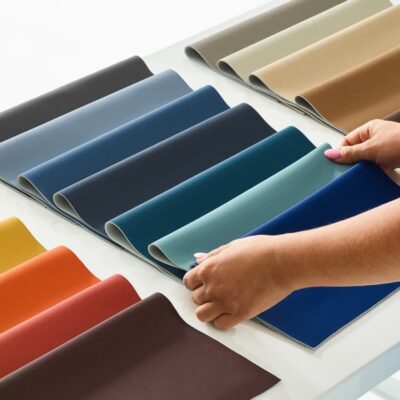
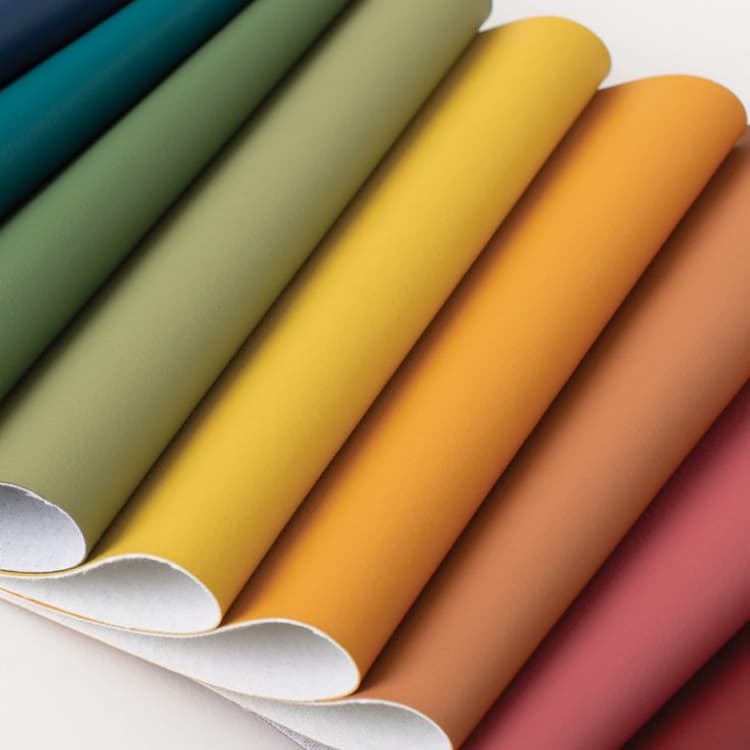
This is where Custom Color Silicone Leather saves your hide. Most suppliers give you a book of 20 colors and tell you to “pick the closest one.” At Shalite, we don’t do “close enough.”
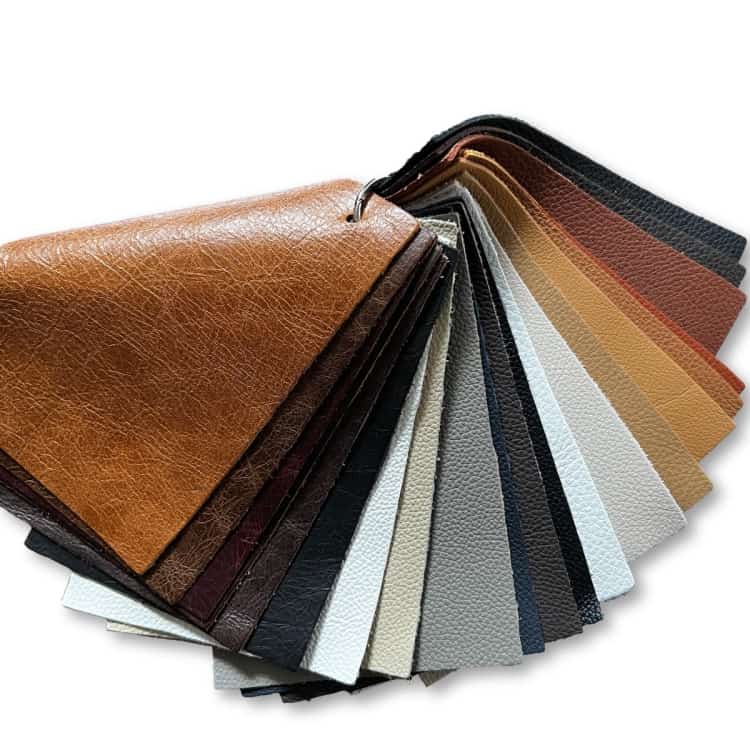
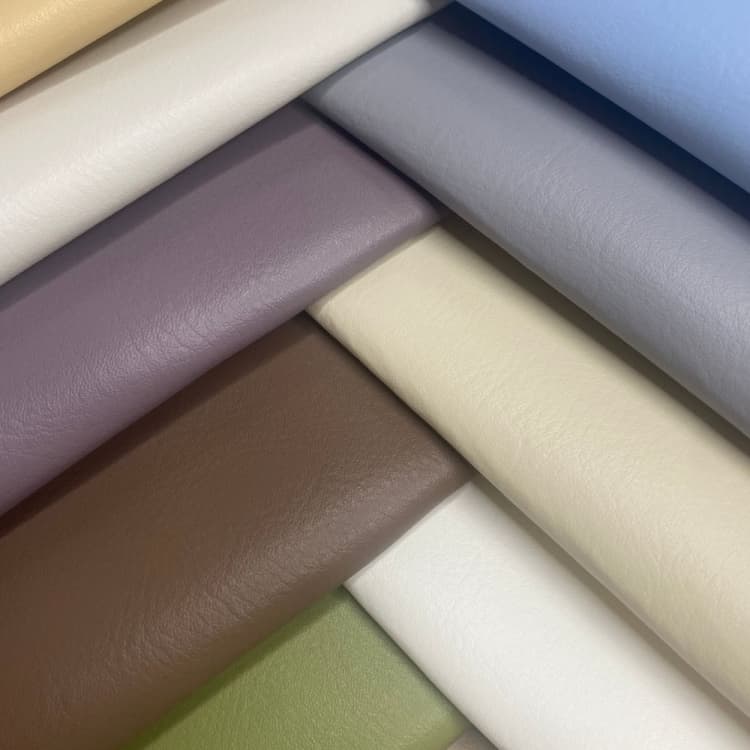
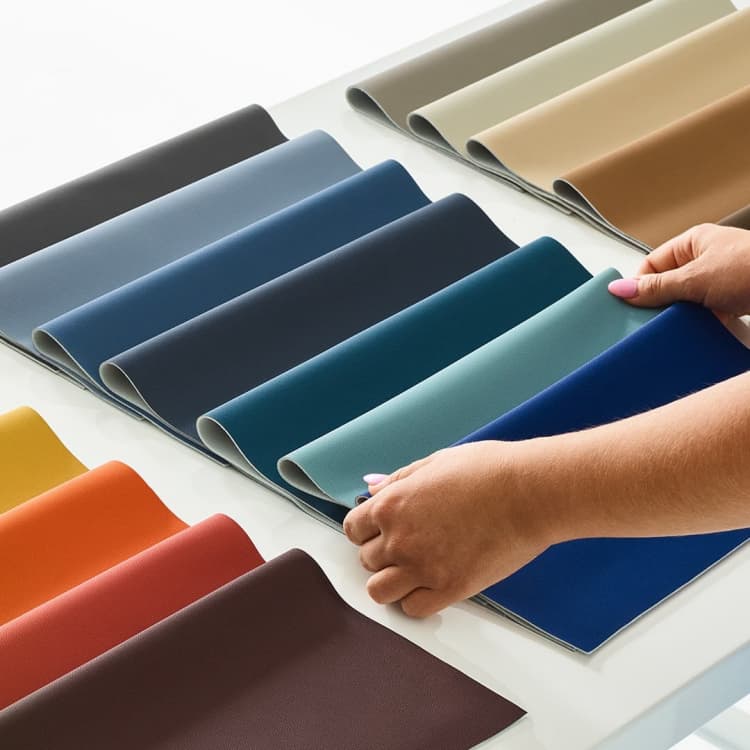
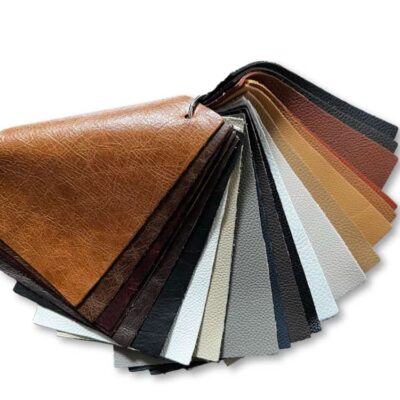
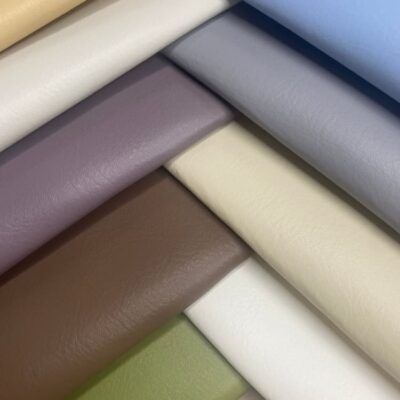
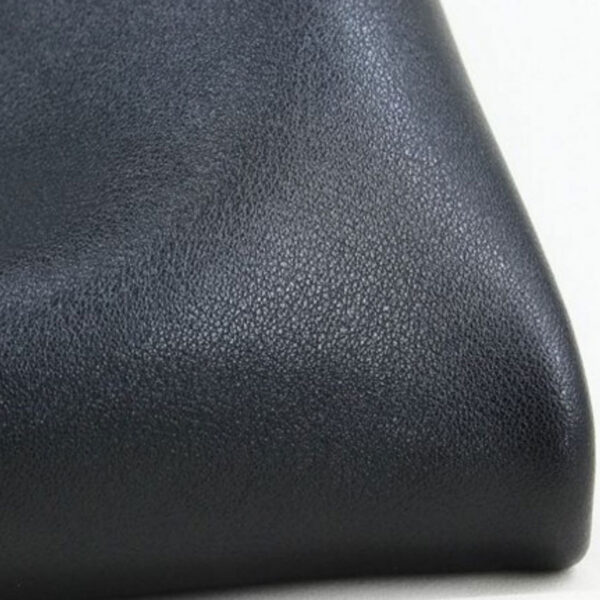
By using advanced pigment dispersion in the Silicone Leather Factory, we can hit Pantone and RAL codes with surgical accuracy. But it’s not just the color. You can also spec the “hand-feel” and the grain.
Performance Specs: The “Reason-Why” it Costs More (And Why It’s Cheaper)
I’ve had buyers complain that Silicone Leather Material has a higher upfront cost than cheap vinyl. And they’re right. But if you’re a pro, you don’t look at the purchase price; you look at the Total Cost of Ownership (TCO).
1. The Wyzenbeek Wall
Standard contract fabrics are usually rated for 50,000 double rubs. That sounds like a lot until you realize how often a chair gets used in a busy airport or a hospital waiting room. Our Durable Silicone Leather routinely clears 200,000 to 300,000 cycles. It’s basically immortal.
2. The “Denim” Test
Ever seen a white faux-leather chair that turned blue after someone sat on it in jeans? That’s “dye transfer,” and it’s the bane of the furniture industry. Easy-Clean Silicone Leather has such low surface tension that the dye literally can’t stick. You can even take a permanent marker to it and wipe it off with a damp cloth.
3. Sunlight and Salt
If you’re in the boat building business, you know that the sun is a killer. Most PU leathers turn into a sticky mess in six months of UV exposure. Marine Silicone Leather is Weather-Resistant by nature. It can handle 1,000+ hours of direct UV without fading or cracking.
The Eco-Friendly Narrative (That Actually Holds Water)
Let’s cut through the “greenwashing.” Most “vegan leathers” are just plastic. But Eco-Friendly Silicone Leather is different for a few concrete reasons.
According to the OEKO-TEX Standard 100, materials that touch the skin shouldn’t be full of formaldehyde or heavy metals. Traditional PU production uses massive amounts of water and toxic solvents. Our Silicone Coated Fabric production is essentially solvent-free.
Plus, it’s PVC-Free Silicone Leather. Why does that matter? Because when PVC is eventually thrown away, it leaches dioxins into the groundwater. Silicone is inert. It doesn’t break down into microplastics or poison the dirt.
Where to Use This Stuff (Beyond the Living Room)
I’ve seen Performance Upholstery Material solve problems in industries I never even thought of.
Healthcare and Medical
Hospital cleaners are getting more aggressive. Bleach and quaternary ammonium eat standard fabrics for breakfast. Silicone Leather for Upholstery can handle those chemicals all day long. It’s also naturally antibacterial, which is a huge plus for dental chairs and exam tables.
High-Volume Automotive
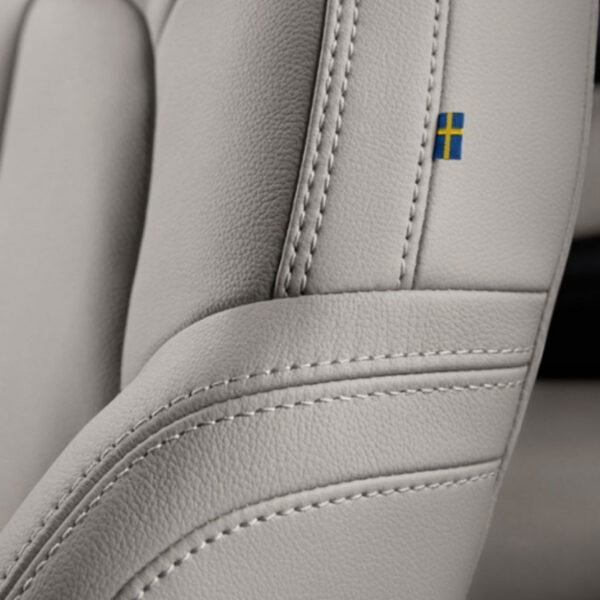
Car interiors are a torture chamber of heat and friction. Automotive Silicone Leather passes the “fogging” tests and keeps its shape without stretching out (what we call “puddling”) after a year of use.
Fashion and Bags
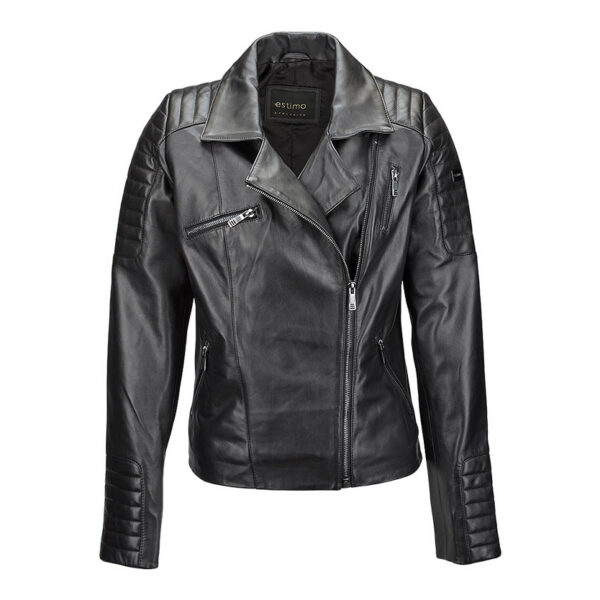
Luxury brands are moving toward Silicone Leather for Bags because they can get high-fashion colors without the ethical nightmare of animal hides or the “cheap” feel of plastic.
Sourcing Like a Pro: What to Ask Your Silicone Leather Supplier
If you’re looking for an OEM Silicone Leather partner, don’t just ask for a quote. Ask for the “receipts.”
Ask for the MSDS: Look at the VOC levels. If it smells like a nail salon, it’s not the good stuff.
Check the backing fabric: The silicone is the “face,” but the backing is the “bones.” Is it a high-stretch knit? A stable microfiber? Match the backing to your application.
Request a Lab Dip: If you’re doing Custom Color Silicone Leather, make them show you the match under different light sources (D65, TL84).
FAQ: What the Sales Reps Won’t Tell You
Q: Is it “squeaky”?
A: Cheap silicone can be. But high-end Silicone Coated Textile from a factory like Shalite has a “dry” finish that feels like real leather, not a rubber band.
Q: Can I use it for outdoor furniture?
A: Yes. In fact, it’s arguably the best material on earth for it. It won’t grow mold, and it won’t rot in the rain.
Q: How do I fix a tear?
A: Here’s the catch: silicone is hard to glue because nothing sticks to it. That’s why it’s so easy to clean! If it gets a deep cut, you usually have to replace the panel. But since it’s Abrasion-Resistant, getting that cut in the first place is pretty tough.
Q: Is it really flame retardant?
A: Silicone is naturally fire-resistant. It doesn’t need the “brominated” chemicals that other fabrics use to pass the CAL 117 test. It’s safer for your lungs if there’s ever a fire.
Q: What’s the minimum order for custom colors?
A: It varies by Silicone Leather Manufacturer, but generally, for a full Wholesale Silicone Leather run, you’re looking at about 300-500 meters.
The Bottom Line
Procurement is about managing risk. You can save a few bucks today on a cheap PU and pray that it doesn’t fail. Or, you can invest in Custom Color Silicone Upholstery Material and know that your product will look just as good in five years as it does today.
I’ve never had a customer come back and say, “I wish I’d bought the cheaper, flakier fabric.” But I’ve had plenty say, “I wish we’d switched to silicone sooner.”
If you’re ready to stop playing it safe with mediocre materials, it’s time to look at the future. It’s colorful, it’s clean, and it’s silicone.