Peeling, VOCs, and Recalls: The Case for Low-VOC Silicone Leather in Manufacturing
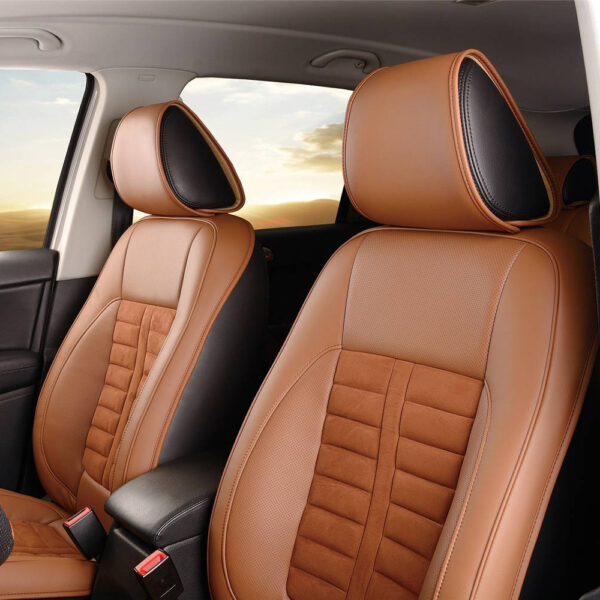
Ever walk into a brand-new car or a freshly furnished hotel lobby and feel that weird sting in your eyes? You know the feeling—a faint headache that starts creeping up after five minutes. People call it “new car smell” but let’s be honest: in the world of high-volume manufacturing, that smell is a liability. It’s actually the scent of Volatile Organic Compounds (VOCs) leaking into the air and your lungs.
For years, I’ve seen procurement managers and factory owners play a risky game with PVC and PU leathers. We all just sort of accepted the chemical off-gassing because, frankly, there wasn’t a better way. But the market has shifted. Today’s smart B2B buyers aren’t just hunting for “cheap” or “tough” materials anymore. They’re looking for Eco-Friendly Silicone Leather that won’t trigger a health lawsuit or a massive product recall down the road.
At Shalite, we’ve watched this evolution from the front lines. Let’s get down to brass tacks: if you’re still spec-ing traditional synthetics for your production lines, you’re building on a foundation of sand. Here’s why Low-VOC Vegan Silicone Upholstery is really the only logical choice for a modern factory.
The Nasty Secret of Traditional Upholstery: VOCs
When we talk about “Low-VOC,” it’s not just a fancy marketing sticker to make us look green. VOCs are those carbon-based chemicals that turn into gas at room temperature. In the old-school synthetic world, these come from solvents like Dimethylformamide (DMF) or those nasty plasticizers like phthalates.
Actually, the Environmental Protection Agency (EPA) points out that indoor pollutants can be five times higher than what you find outside. If you’re a procurement manager sourcing materials for a hospital waiting room or an aircraft cabin, that’s not just a statistic—it’s a massive problem.
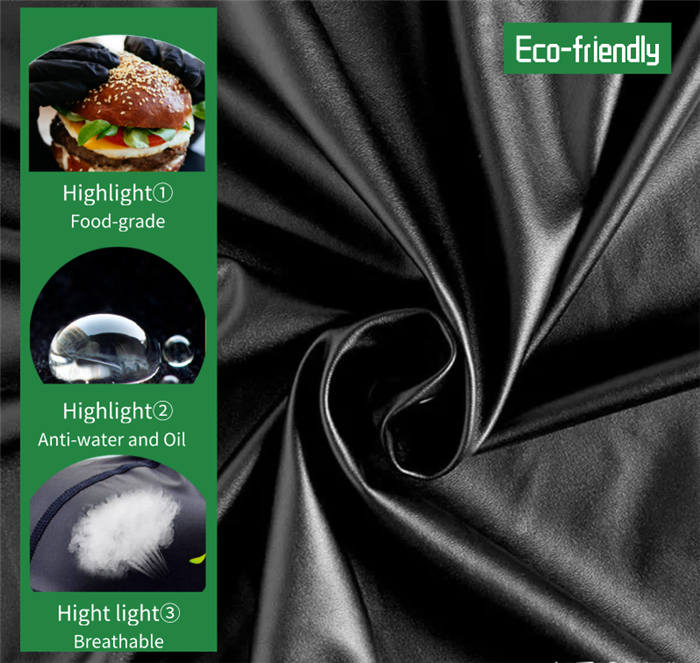
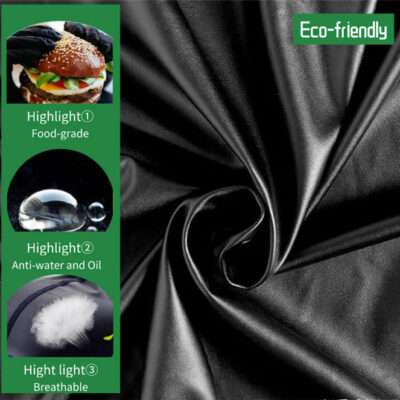
Shalite’s Silicone-Based Leather is built using a completely solvent-free process. We don’t use DMF and we don’t use toluene. We definitely don’t use phthalates. The result is a material that smells like… well, nothing. In our business, “nothing” is the smell of a safe, high-quality product.
Why Silicone Leather is Winning the Spec Game
If you’re a technical buyer, you don’t care about “softness” in the abstract. You care about the Martindale test. You care about UV degradation. You want to know if the material will peel after two years in a humid climate. I’ve spent plenty of time on factory floors comparing these materials head-to-head and the results usually speak for themselves.
Performance Comparison: Silicone vs. The Field
| VOC Level | < 0.5 mg/m³ (Greenguard Gold) | High (Solvent-based) | Very High (Phthalates) |
| Hydrolysis Resistance | 10+ Years (No peeling) | 2-5 Years | Brittle over time |
| Martindale Abrasion | 200,000+ Cycles | 50,000 – 100,000 | 30,000 – 50,000 |
| Flame Retardancy | Inherently High | Requires Additives | Requires Additives |
| Cleaning | Bleach & Alcohol Safe | Sensitive to Solvents | Can be damaged by cleaners |
| UV Resistance | Grade 4.5+ (Excellent) | Grade 3.0 (Yellows) | Grade 2.5 (Cracks) |
The Hydrolysis Headache
If you ask a furniture manufacturer about their worst warranty nightmare, they’ll almost always tell you: peeling. That’s hydrolysis in action. Traditional PU leather hits a certain age, reacts to moisture and heat, and then starts flaking off like a bad sunburn.
Silicone Upholstery Material is inorganic so it simply doesn’t care about humidity. It won’t react with water and it won’t peel. Whether you’re upholstering a yacht in Florida or a theater in Singapore, silicone stays intact. For a factory, this means fewer returns and a rock-solid reputation.
The Vegan Factor: More Than Just “No Cows”
“Vegan” is often dismissed as a consumer trend but for a Silicone Leather Manufacturer, it’s a massive technical advantage. Animal leather is inconsistent. Every hide is different and that leads to huge waste during the cutting process.
Shalite’s Low-VOC Vegan Silicone Upholstery Material comes in consistent rolls. There are no scars or irregularities. For high-volume factories, this means higher yields and easy automated cutting. Plus, major brands now demand “cruelty-free” specs. If your factory isn’t ready to meet those, you’ll lose the contract to someone who is.
Testing Standards That Actually Mean Something
When you’re vetting a new supplier, don’t let them hide behind vague “eco-friendly” fluff. Demand the data. Any Silicone Leather Supplier who knows their stuff should be able to hand over:
ISO 10993: For skin safety (essential for medical and wearables).
AATCC 16.3: For light fastness. If you’re doing Outdoor Silicone Leather, this is your bible.
VDA 278: The gold standard for air quality and VOC emissions.
If a supplier can’t show you these reports, walk away. They’re selling you plastic but they aren’t selling you performance.

Practical Applications for Factories
In my experience, there are four “high-pain” areas where Performance Upholstery Material isn’t just an option—it’s a requirement.
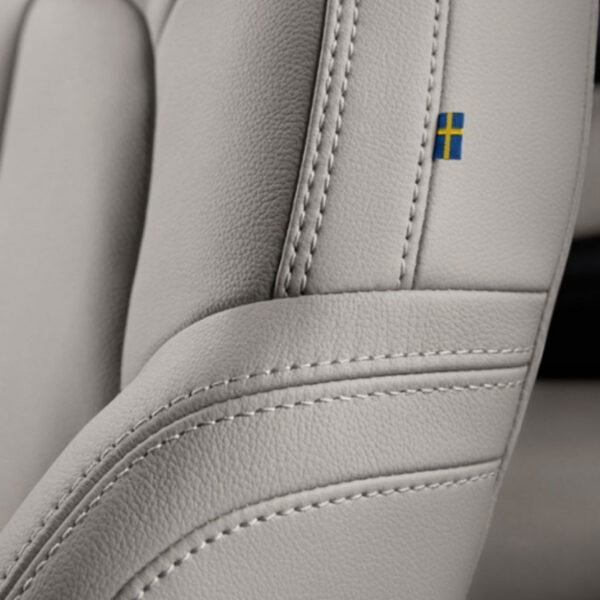
In healthcare, hospitals use harsh disinfectants that basically melt PU leather but silicone is unaffected by bleach and alcohol. In the marine world, salt and sun are the enemies and Marine Silicone Leather thrives where others fail. Public transit needs something that is flame retardant and easy to clean. Finally, for high-end office gear, companies want furniture that doesn’t off-gas. Low-VOC Upholstery Material is the only way to get those “Well Building” points.
The Shalite Customization Process: How We Work With Factories
We don’t just dump rolls of fabric on your loading dock. The transition to Custom Silicone Leather is a partnership that involves a few key steps:
Pick the Base: We choose a backing fabric like knit or recycled polyester based on the stretch you need.
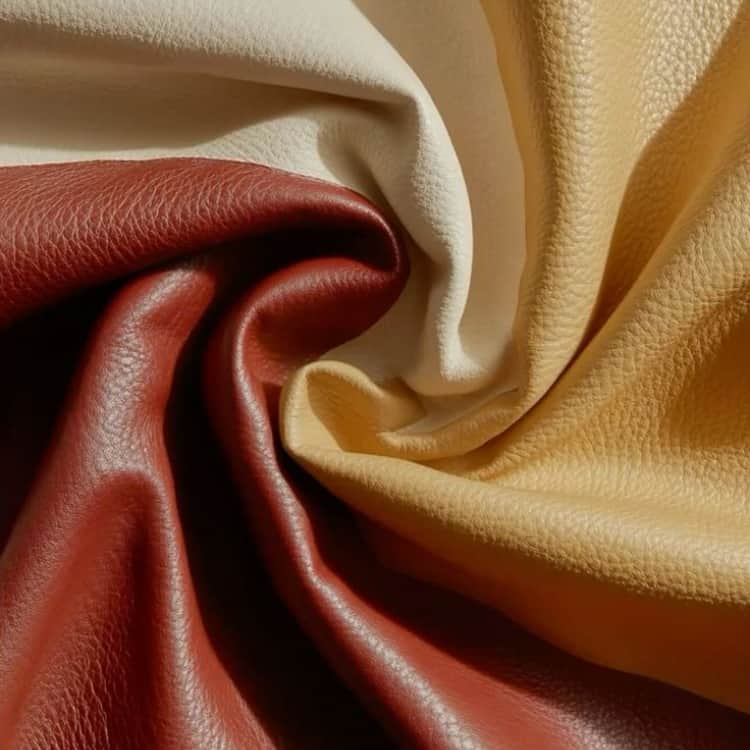
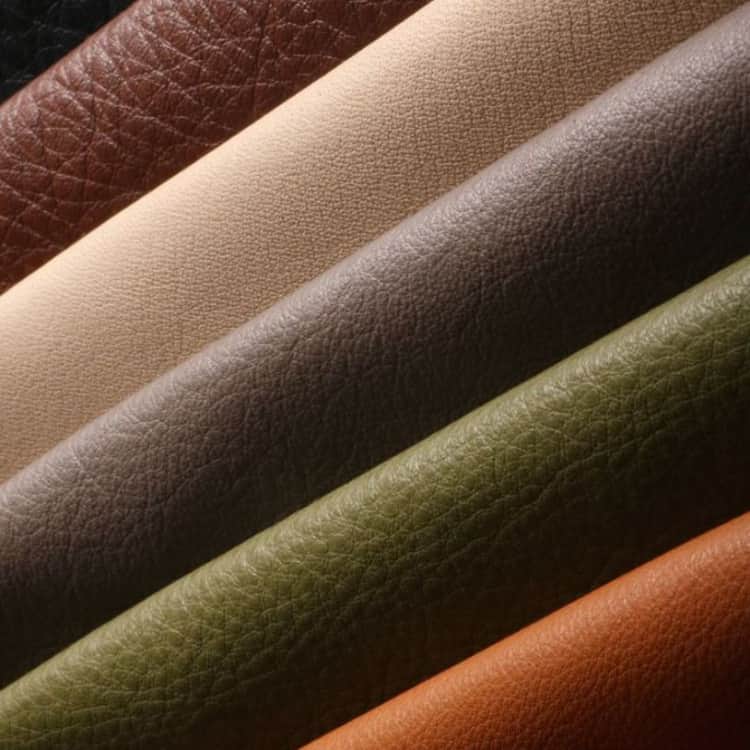
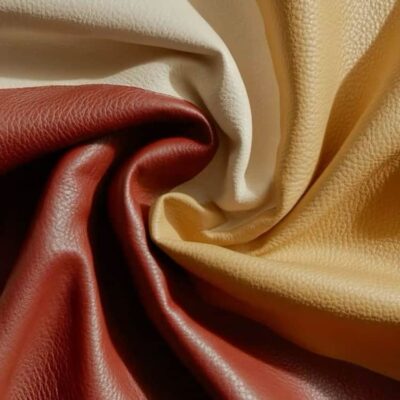
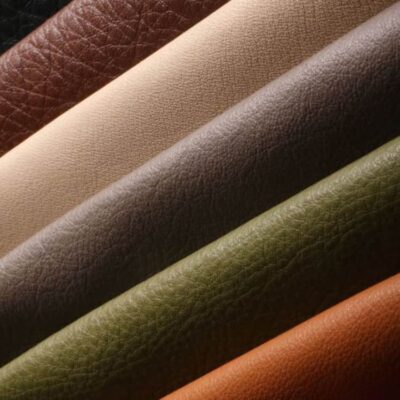
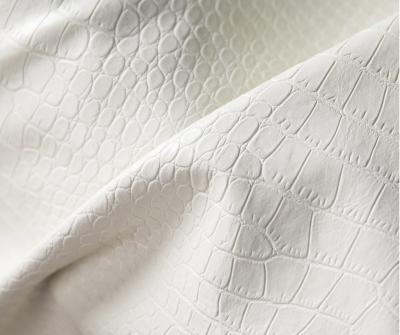
Map the Texture: We can replicate anything from a fine calfskin to a bold pebble grain.
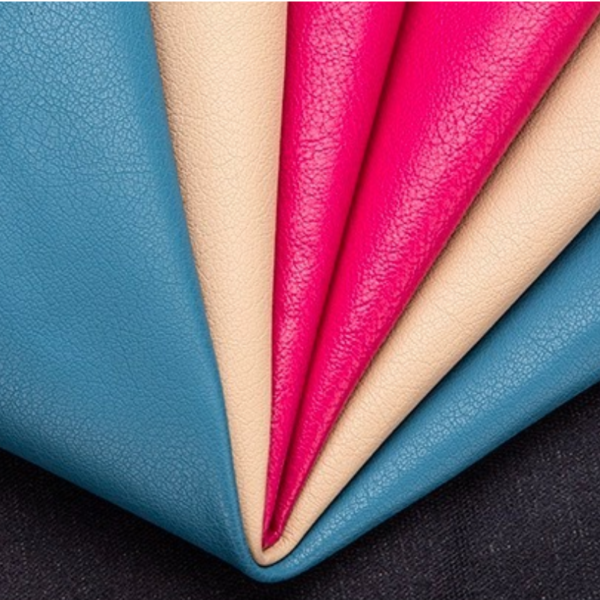
Color Match: We use UV-stable pigments so your brand colors don’t fade out after six months.
Sample Testing: We provide production-grade samples to make sure your sewing machines and heat-welding gear handle the material perfectly.
Summary: A Future Without Toxins
The era of “good enough” synthetics is dead. The global regulatory environment is tightening and consumers are more educated than ever. Frankly, our industry has a responsibility to stop filling homes and cars with chemical vapors.
Switching to Silicone Leather Material is just a smart business move. It protects your brand and it protects your bottom line.
Frequently Asked Questions (FAQ)
1. Is silicone leather more difficult to sew than PU or PVC?
Not really, but it does have a different “drag” on the machine. Most factories use a Teflon foot or a walking foot machine to solve any friction issues.
2. Can silicone leather be recycled?
Yes. Unlike PVC, which is a nightmare to recycle because of the chlorine, silicone can be ground down for industrial use. It is significantly more “circular” than its petroleum-based cousins.
3. How does it handle “Denim Dye Transfer”?
This is where silicone really shines. Most PU leathers absorb the blue dye from jeans but Shalite’s Easy-Clean Silicone Leather has a surface tension that prevents dye from penetrating. Usually, a damp cloth is all you need.
4. Is it truly flame retardant?
Silicone is naturally fire-resistant. While we can add treatments to meet aviation standards like FAR 25.853, the base material is much safer than PU, which is essentially solidified oil.
5. What is the typical lead time for custom OEM orders?
For Custom Color Silicone Leather, we usually look at 3 to 5 weeks depending on the volume. We do keep stock of standard colors to help factories bridge the gap.