The Real Deal on Silicone Leather: Why It’s Actually the Smartest Call for Your Next Project
Switching away from traditional PU or PVC isn't just about checking a "green" box for your brand. It’s a practical investment. To put it simply, you’re buying a surface that stays looking fresh for over a decade, even when the environment gets really tough.
Let’s be honest: maintenance bills for peeling seats are a headache that nobody wants to deal with. If you’re tired of that “every-two-year” cycle where you’re forced to replace cracked upholstery, here is the bottom line: silicone leather is arguably the most durable and chemical-resistant fabric you can get your hands on today.
Switching away from traditional PU or PVC isn’t just about checking a “green” box for your brand. It’s a practical investment. To put it simply, you’re buying a surface that stays looking fresh for over a decade, even when the environment gets really tough. At Shalite, we’ve seen project managers practically pulling their hair out over peeling hotel sofas or stained hospital chairs. We want to show you why silicone leather is the fix you’ve probably been looking for.
Why Your Current Upholstery is Falling Apart (And Honestly, It’s Not Your Fault)
Most buyers go for PU (polyurethane) because it feels soft, or PVC because the price looks good on a spreadsheet. But give it 12 to 24 months, and the “peeling” starts. If you’ve been in this industry a while, you know we call this hydrolysis. It’s essentially a chemical reaction where heat and humidity break the plastic’s bonds. The result? It flakes off like a bad sunburn.
If you’re running a hotel or a fleet, this is a total nightmare. You have to pull rooms out of service or take cars off the road just to reupholster everything. It’s a massive drain on your time and your budget.
The thing is, a high-quality silicone leather material simply doesn’t have this flaw. Why? Because it isn’t made from carbon-based plastics. It’s built from silicone—the same stuff used in medical heart valves or baby bottle nipples. Since it doesn’t react to water or oxygen the same way, it physically cannot peel. It’s that simple.
Breaking Down the Real Cost: Lifespan vs. Price
Material Type
Typical Lifespan
Main Failure Point
Chemical Sensitivity
Standard PU
2–3 Years
Hydrolysis (Peeling)
High (Damaged by alcohol)
Standard PVC
3–4 Years
Cracking/Hardening
Moderate (Plasticizers leak)
Shalite Silicone
10+ Years
None (Structural stability)
Zero (Resists bleach & alcohol)
What Exactly is Silicone Leather?
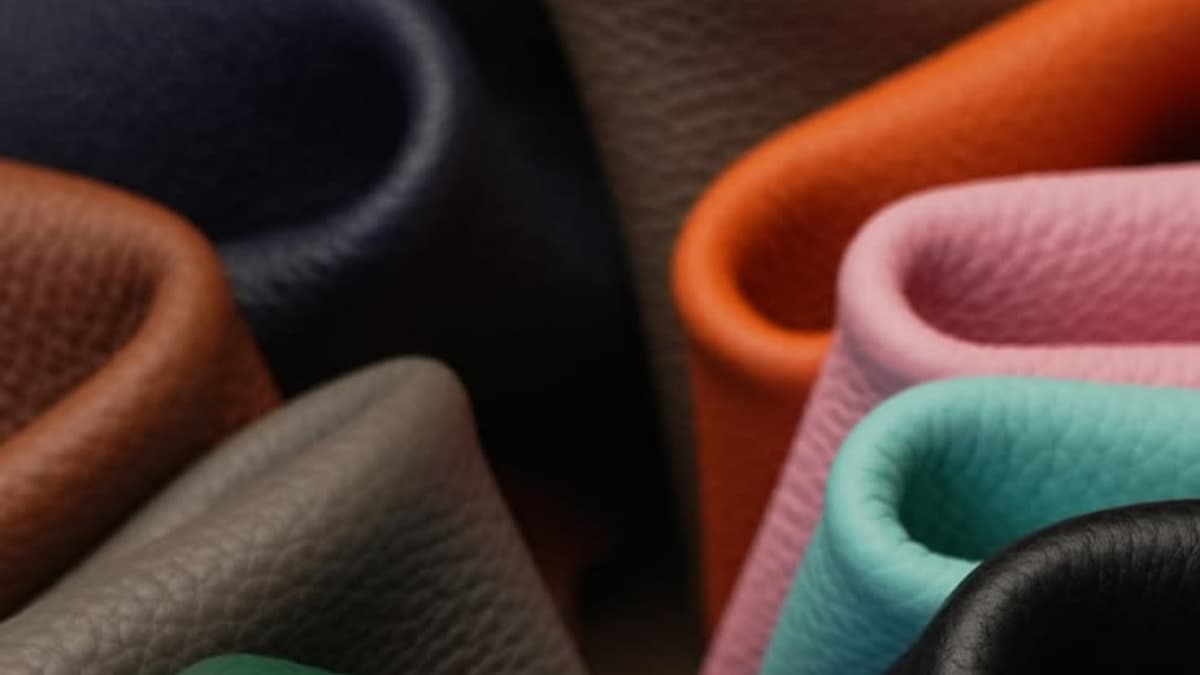
I often get asked if this stuff is just “rubbery fabric.” Not even close. I like to think of modern silicone-based leather as a high-tech sandwich:
The Top Coat: This is 100% liquid silicone. It’s what gives the fabric that premium soft touch and makes it so incredibly easy to clean.
The Middle Layer: A specialized bonding agent. This makes sure the silicone stays locked to the base no matter how much it’s used.
The Backing:This is where the strength comes from. Depending on what you’re building, we can use anything from polyester and microfiber to recycled cotton.
Actually, because silicone is an inorganic material, it is naturally built to resist UV rays, extreme heat, and even freezing cold. It’s exactly why NASA and the medical industry trust it so much. Now, we’ve just figured out how to make it feel like luxury Nappa leather.
Three Reasons This Changes the Game for Commercial Projects
1. The End of Stains (Yes, Even Permanent Marker)
In many cases, you’ll walk into a hospital and see “white” chairs that have turned a weird yellow or are stained blue from patients’ denim jeans. We call that dye transfer. With performance upholstery material, you can literally take a Sharpie, scribble on the white surface, and then just wipe it off. A dry cloth or a little rubbing alcohol does the trick. It won’t ghost, and it definitely won’t ruin the finish.
2. Flame Safety Without Added Chemicals
A lot of flame-retardant fabrics on the market rely heavily on added chemicals like bromine or phosphorus. Those can off-gas and cause real health issues over time. Silicone is different because it is naturally flame-resistant. It doesn’t require chemical treatments to meet strict industry standards, such as California Technical Bulletin 117-2013 for furniture or FMVSS 302 for automotive interiors.
3. Weather Resistance That Defies Logic
If you’re doing marine work or outdoor patios, sun damage is the main thing to watch out for. UV rays basically bake the plasticizers right out of PVC, which is why it cracks. Silicone just handles UV way better. We actually ran our silicone coated fabric through thousands of hours of intense sunlight testing (ASTM G154)—the color didn’t fade at all, and the surface didn’t crack a bit.
A Specialist’s Advice: How to Spot the Right Grade
Not all silicone leathers are created equal. I’ve seen buyers get burned by “cheap” silicone that’s actually just a blend. If you’re a buyer, you really need to keep an eye on these three specs:
The Rub Count: For something like a hotel lobby, don’t settle for anything under 100,000 double rubs. Many of our wholesale silicone leather options go way beyond 200,000.
The Weight: Heavier isn’t always better. If you’re making bags, go for a lightweight 0.6mm-0.8mm. For heavy-duty sofas, you’ll want 1.0mm-1.2mm.
The Backing: If the material needs to wrap around tight curves—think car steering wheels or ergonomic chairs—you absolutely need a 4-way stretch backing.
Real Sustainability, Beyond the Buzzwords
Sustainability is a growing priority for a lot of clients these days. Historically, many vegan leathers were essentially just regular PU plastics rebranded to sound green.
What we make at Shalite takes a different approach. We completely skip solvents in production, so there is no DMF or toluene involved at any point in our factory. The materials fully align with REACH standards, and you can check these specific safety parameters directly through the European Chemicals Agency (ECHA). This is exactly why it’s a top choice for pvc-free upholstery material in schools and nurseries.
Practical Application: Where Should You Use It?
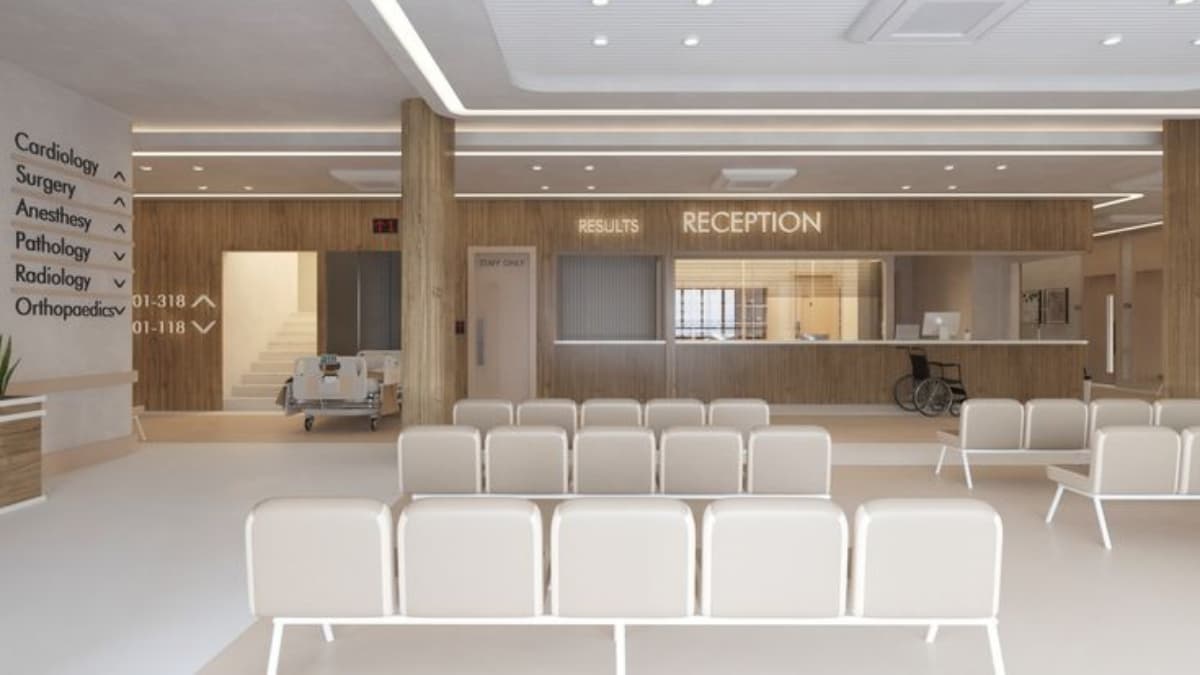
In the Medical Field
Hospitals have to use brutal disinfectants. These cleaners usually destroy PU leather in a matter of months. Since pvc-free silicone leather is chemically inert, it doesn’t care about bleach or 70% isopropyl alcohol. It’s the perfect surface for exam tables.
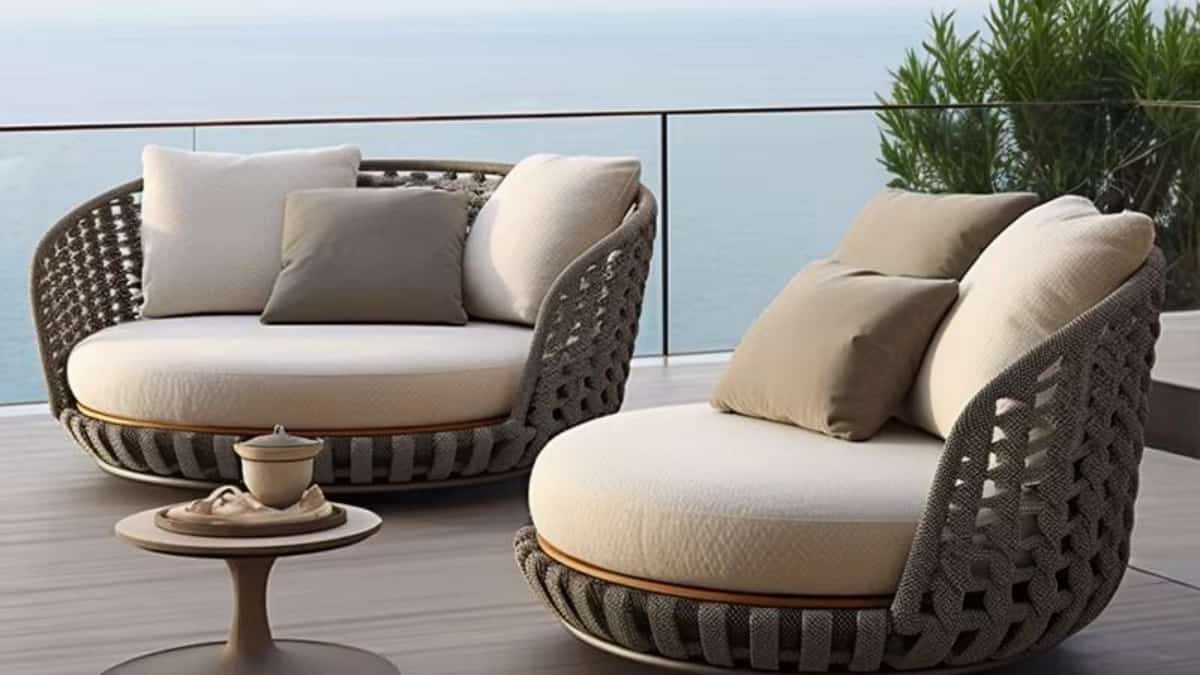
In the Marine Industry
Saltwater and sun are a lethal combo for seating. Salt crystals act like sandpaper on regular leather. Silicone’s slick surface prevents salt from sticking and resists that “pink stain” fungus that ruins boat vinyl.
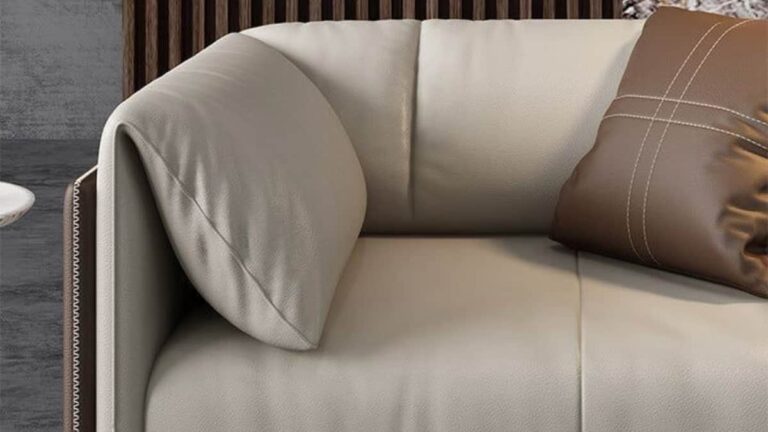
In Hospitality and Offices
Think about the scuff marks from shoes on booth seating. Silicone is incredibly abrasion-resistant. It doesn’t “buff” or get shiny in high-wear areas, so the designer’s original vision stays looking right for years.
How to Get Started with Shalite
Moving to a new material can feel like a risk. I get that. Here is how we recommend you handle it:
Identify the Failure: Find the one product in your current line that gets the most complaints.
The Torture Test: Try to stain it. Scrub it. Leave it in the sun. See if it holds up.
Prototype: We handle oem silicone leather requests regularly to help you build a prototype that fits your specific design perfectly.
FAQ: What You Really Want to Know
1. Is silicone leather truly sustainable, or just “less bad” than PVC?
It’s definitely a huge step up. Because it skips plasticizers and solvents completely, it doesn’t leak harsh chemicals. On top of that, it lasts over 10 years, meaning less waste heading to landfills. Its production also cuts down on both water and energy use, easily earning it the OEKO-TEX Standard 100—pretty much the gold standard for textile safety.
2. Can we match our specific brand colors?
Yes. As a silicone leather supplier, we can produce custom color silicone leather to match any Pantone. Because the pigments are stable, that color won’t fade.
3. Does it pass fire safety codes for public buildings?
Yes, it naturally meets many of the world’s strictest codes. It passes BS5852 Crib 5 and other international standards without needing those toxic chemical coatings.
4. Is it safe for direct skin contact?
It is one of the safest surfaces you can touch. It is hypoallergenic and “skin-friendly,” which is why it’s used in high-end low-voc silicone leather for medical devices.
5. How does the price compare to real leather?
It’s generally more expensive than cheap PU but cheaper than premium animal hides. However, when you look at the “cost per year,” silicone is usually the winner because you aren’t paying for replacements every two years.
Final Thoughts
The era of “disposable” upholstery is ending. Whether you are building a luxury yacht or a hospital wing, your customers expect things to last. silicone leather isn’t just a trend—it is the new standard. At Shalite, we’re ready to help you make the switch. Let’s build something that lasts.