Stop Settling for Failing Fabrics: A Procurement Manager’s Real-World Guide to Nappa Grain Silicone Upholstery Material
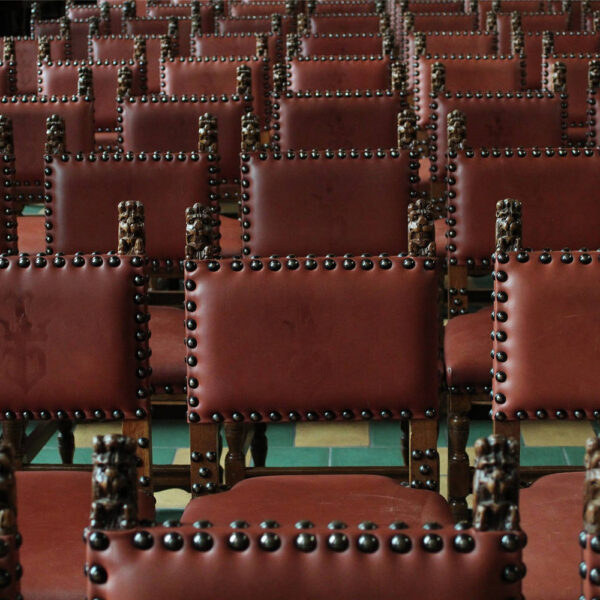
If you’re the one handling procurement or technical buying for a high-volume furniture factory, you’re likely nursing a persistent headache. Usually, that pain has a name: “Product Recalls.” You might find yourself specifying what looks like a high-end Polyurethane (PU) leather, and it feels great in the showroom. But fast forward six months? It starts to peel just like a bad sunburn. Then come the customer complaints, your brand’s reputation takes a massive hit, and suddenly you’re right back at square one.
I’ve spent years watching industrial textiles evolve. The truth is, the move toward Nappa Grain Silicone Upholstery Material isn’t just some passing fad. It represents a fundamental shift in polymer science that finally solves the “peeling and cracking” nightmare for good. Let’s dig into why this specific material has become the “Holy Grail” for B2B manufacturers who can’t afford to fail.
1. What exactly is Nappa Grain Silicone? (And why your fingers will love it)
When most people hear the word “silicone,” their minds go straight to those flexible kitchen spatulas or the sealant in their bathroom. But if you’re in the professional world of Silicone Leather Material, you know we’re dealing with something far more advanced. It’s actually a high-tech layer of polyorganosiloxane that’s bonded onto a heavy-duty textile backing.
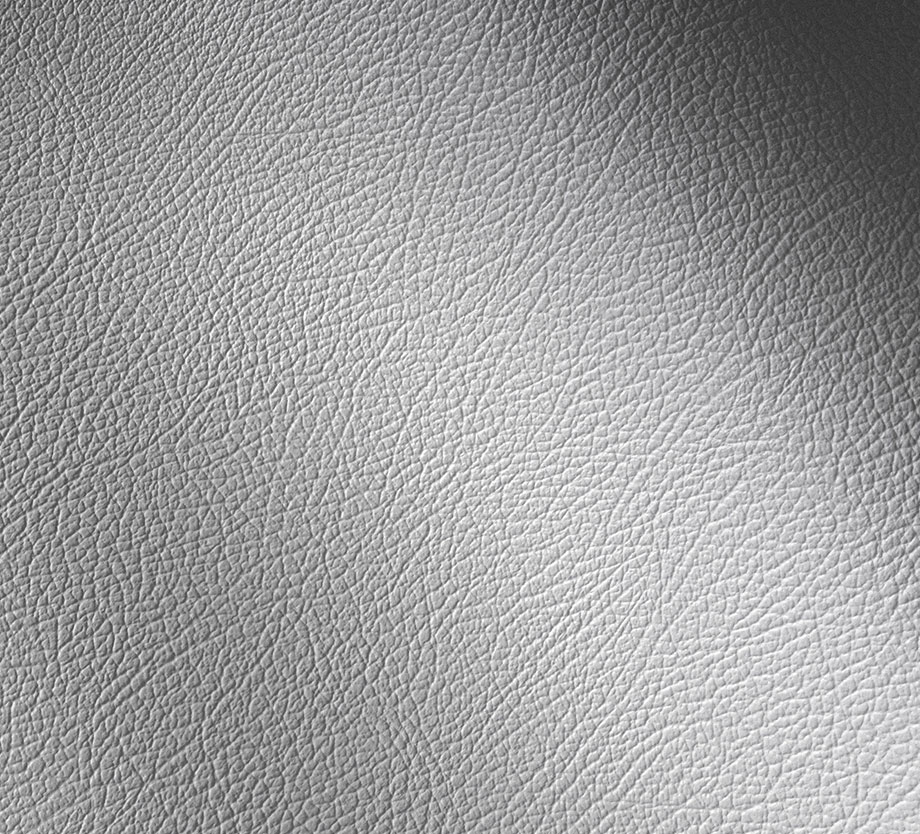
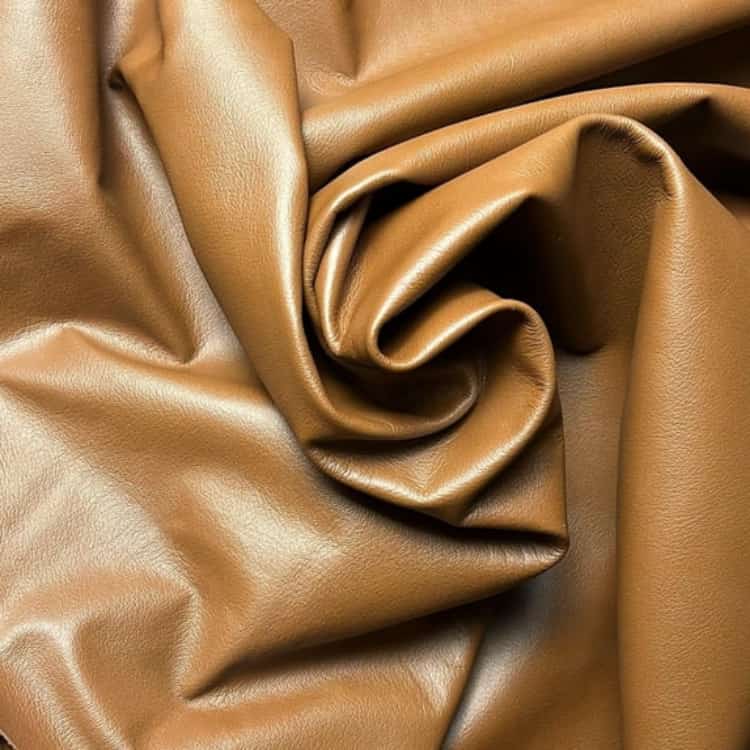
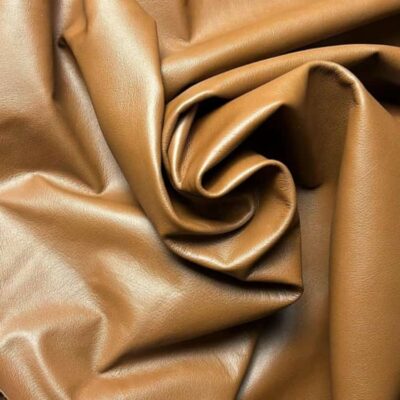
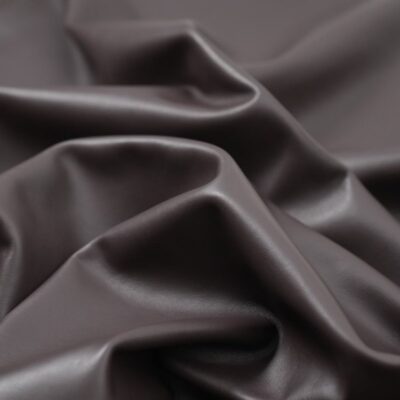
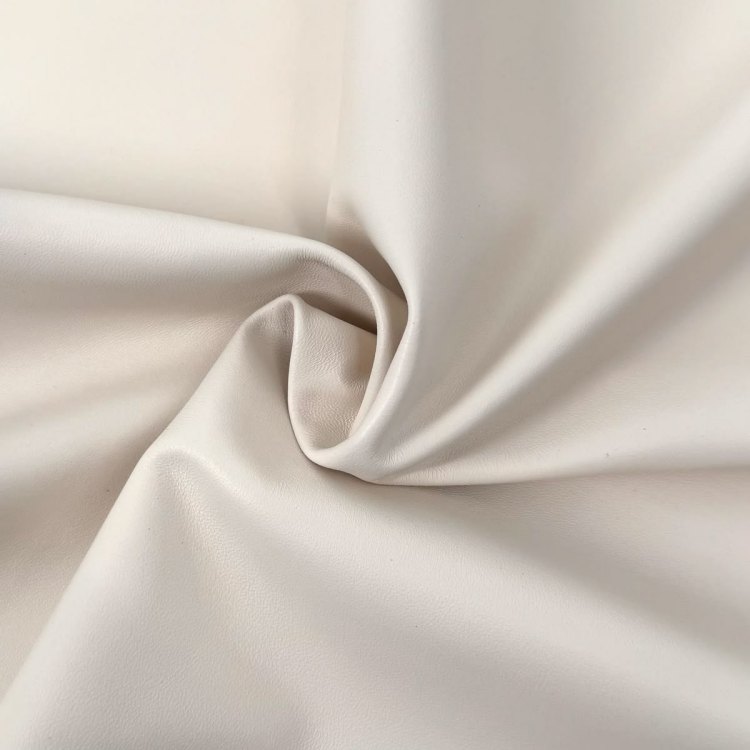
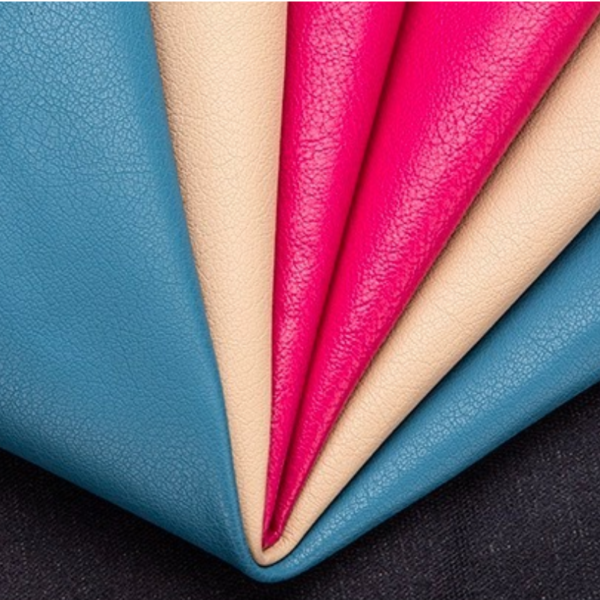
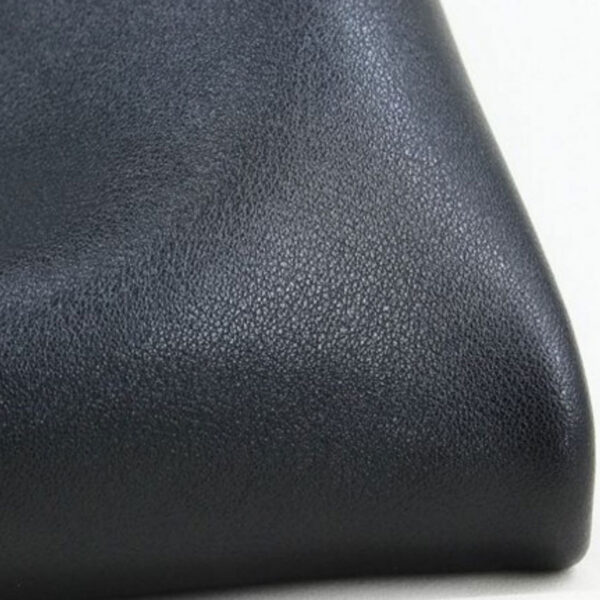
The “Nappa Grain” part is all about the vibe. In the past, true Nappa leather was sourced from sheep or lambs because people loved how soft it felt. These days, a modern Silicone Leather Factory uses high-precision embossing rollers to mimic that exact buttery, full-grain luxury. The best part? You get that high-end feel without involving a single cow.
The Real Science of “Soft”
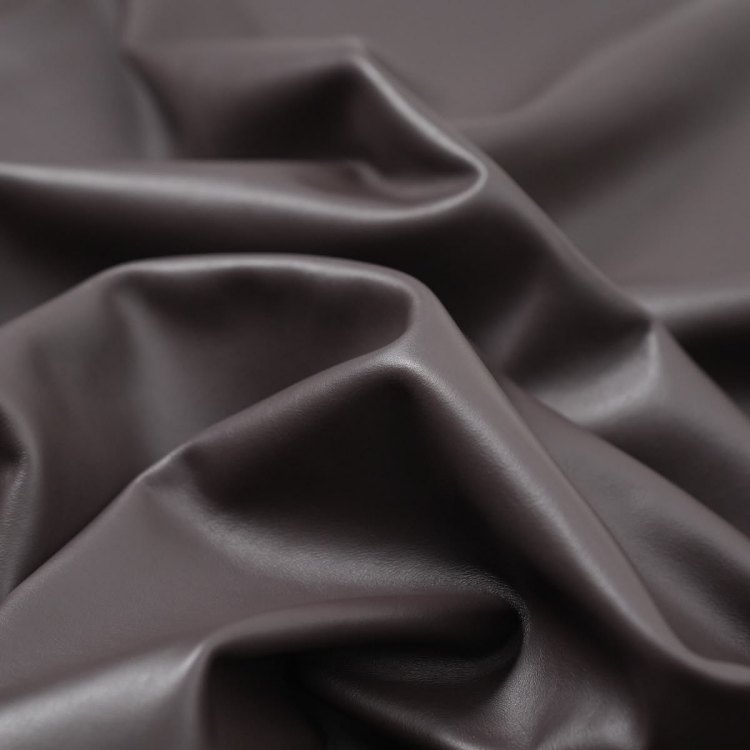
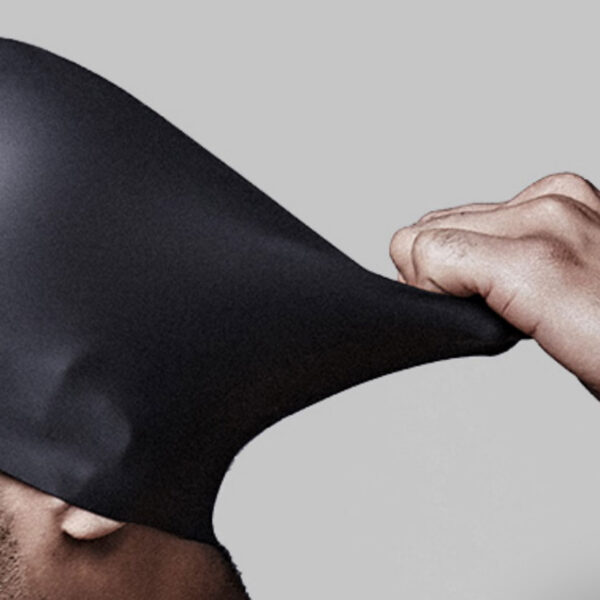
Silicone has a molecular structure that’s just… different. You see, PVC is naturally rigid. To make it flexible, manufacturers have to pack it with “plasticizers”—chemicals that eventually leak out, creating that specific “new car smell” and eventually making the fabric crack. Silicone, however, is flexible at its core. That’s why Soft-Touch Silicone Leather stays soft and supple for as long as you own it. It doesn’t turn brittle when it’s freezing in winter, and you won’t find it getting “sticky” against your skin during a humid July.
2. Hard Numbers: The Performance Data Technical Buyers Actually Need
In a B2B meeting, “it feels nice” doesn’t mean much. You need hard proof that the material won’t fail you after you’ve committed to a 50,000-meter order.
Standard residential PU leather usually taps out after 30,000 to 50,000 double rubs on a Wyzenbeek scale. To be honest, Durable Silicone Leather essentially laughs at those old performance benchmarks.
| Wyzenbeek Abrasion | 200,000+ Double Rubs | 30,000 – 50,000 |
| Hydrolysis (The “Jungle Test”) | 10 to 14 Weeks | 2 to 5 Weeks |
| UV Stability | 1,000+ Hours (Grade 4.5) | 200 – 400 Hours |
| Cold Crack Resistance | Down to -40°C | Only -10°C |
| Heat Aging (150°C for 7 days) | Zero Change | Yellows and gets brittle |
3. The “Ink Test”: Turning Cleanability into a Profit Center
If your factory builds furniture for hospitals, schools, or busy hotels, “cleanability” isn’t a luxury—it’s your biggest selling point. Easy-Clean Silicone Leather is virtually non-porous.
In many cases, I’ve seen demonstrations where a permanent marker is dragged across a white Nappa silicone sofa. Usually, all it takes is a quick swipe with a dry cloth or perhaps a dab of rubbing alcohol, and the ink is gone. No ghosting. No weird stains left behind. This works because silicone has incredibly low surface energy; stains simply can’t find a way to “grip” the surface.
For a Silicone Leather Supplier, this is a massive win. This level of durability gives furniture brands the confidence to offer longer warranties. It means your marketing claims can actually hold up under real-world pressure.

4. Sustainability: Cutting Through the Marketing Noise
Let’s be honest: your customers are asking for eco-friendly options, but a lot of what’s called “Vegan Leather” is really just a marketing gimmick. Often, it’s just more plastic (PU or PVC) that’s terrible for the planet.
Eco-Friendly Silicone Leather actually walks the walk for a few reasons:
Zero Solvents: The production is often water-based. You won’t find DMF (Dimethylformamide), a nasty chemical used in almost all standard PU production.
PVC-Free: Since it’s PVC-Free Silicone Leather, high-quality material doesn’t contain any phthalates or chlorine. That means no weird chemical off-gassing in a customer’s living room.
The Longevity Factor: The greenest thing a product can do is simply last. Since silicone-based leather won’t rot or degrade, it stays on furniture and out of landfills for decades.
5. Where Silicone Truly Wins: Tough Applications
Automotive & Marine Environments
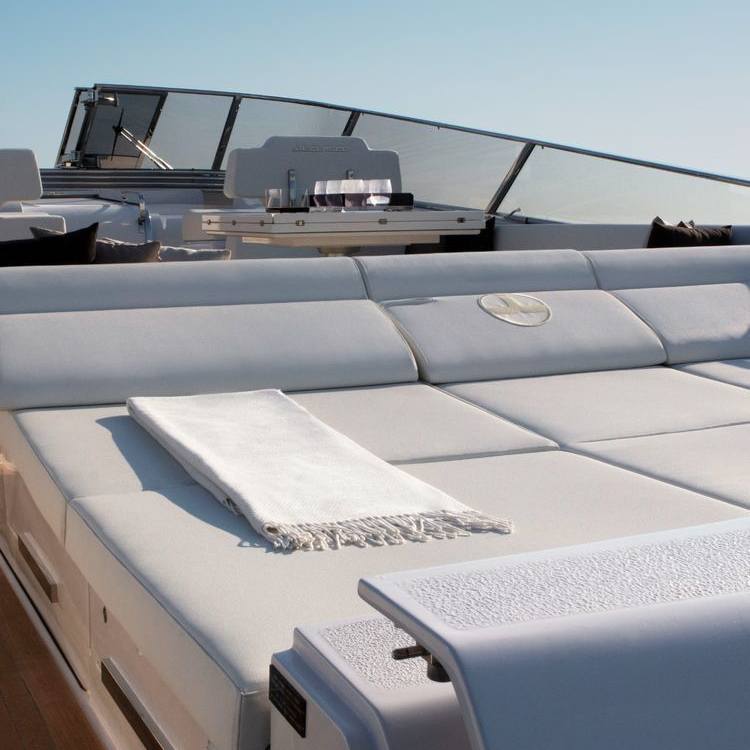
Inside a car, interiors face brutal heat and constant UV rays. While traditional leather dries out and eventually cracks, Automotive Silicone Leather stays stable. In the boating world, saltwater and mold usually destroy vinyl in a season or two, but Marine Silicone Leather is naturally resistant to salt and that annoying “pink fungus.”
The Healthcare Sector
The harsh bleach hospitals use will quickly ruin regular PU leather. Silicone upholstery is different. It’s so chemical-resistant that it easily handles daily disinfecting without fading or cracking.
6. Customization: A Real Playground for Your Designers
When you team up with a Silicone Leather Manufacturer, you aren’t limited to whatever’s sitting on a shelf.
Custom Color Silicone Leather: You can match virtually any Pantone shade to hit a brand’s identity perfectly.
Custom Texture Silicone Leather: You don’t have to stop at Nappa grain. You can do pebble, litchi, or even high-tech carbon fiber patterns.
5 FAQ: What Technical Buyers Always Ask
Q1: Does this stuff smell like a chemistry lab?
Not at all. Since it’s a Low-VOC Silicone Leather, it’s basically odorless. You won’t get that “plastic” PVC stinking or the “fishy” smell of cheap PU.
Q2: Is it a total nightmare to sew?
Actually, it’s quite straightforward—provided you’re using the right needles. It handles very much like high-end upholstery vinyl. Any reputable Silicone Leather Factory should be able to send you the exact technical data sheets for your sewing room.
Q3: Will it get scorching hot in the sun?
No. Silicone doesn’t hold heat like PVC does. It stays cooler to the touch, making it the perfect choice for Outdoor Silicone Leather.
Q4: Can we use it for things like shoes or bags?
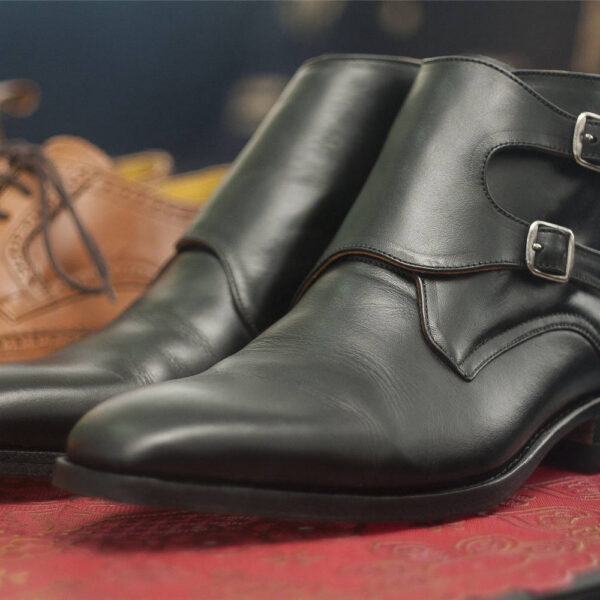
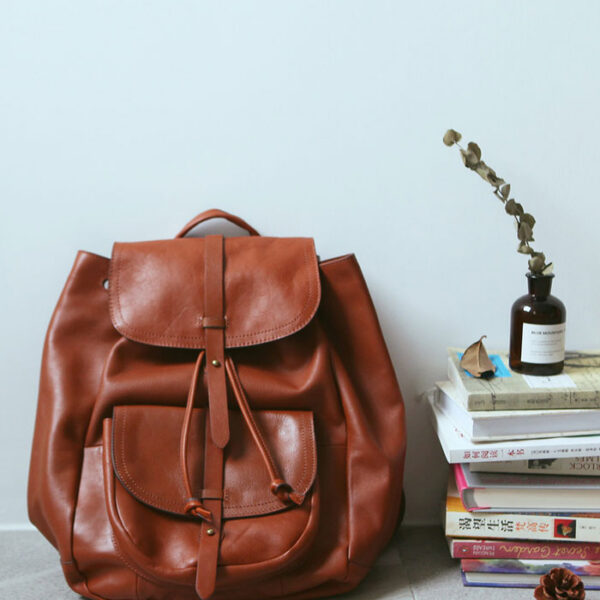
Absolutely. We’re seeing a massive spike in demand for Silicone Leather for Bags and Silicone Leather for Shoes. The reason? It’s scratch-resistant and doesn’t scuff the way animal leather does.
Q5: What’s the cleaning secret?
Just basic soap and water. When it comes to the really stubborn stuff—think permanent marker or mustard—a 70% isopropyl alcohol solution works like a charm without damaging the Silicone Coated Textile.
Conclusion: The Smart Choice for 2026 and Beyond
Honestly, if you’re still sourcing PVC or cheap PU, you’re falling behind. The market has already moved on. Designers want Performance Upholstery Material, and procurement teams are tired of the headaches. Most importantly, customers want Eco-Friendly Leather Alternatives.
Nappa Grain Silicone Upholstery Material is currently the only material that offers the pure luxury of Nappa leather combined with the indestructible nature of an industrial polymer. Don’t wait for your next big product recall to make the switch. Get in touch with a reliable Silicone Leather Supplier today and get some swatches in your hands. Your production line—and your sanity—will thank you for it.