Talk with a Material Specialist

Share your silicone upholstery material requirements and our team will respond with samples, specifications or pricing guidance.

Shalite Silicone Leather icon

Silicone Leather Material

Dongguan Shalite New Material Technology Co., Ltd.

Secure inquiry form. Your project details stay private.
Please enable JavaScript in your browser to complete this form.

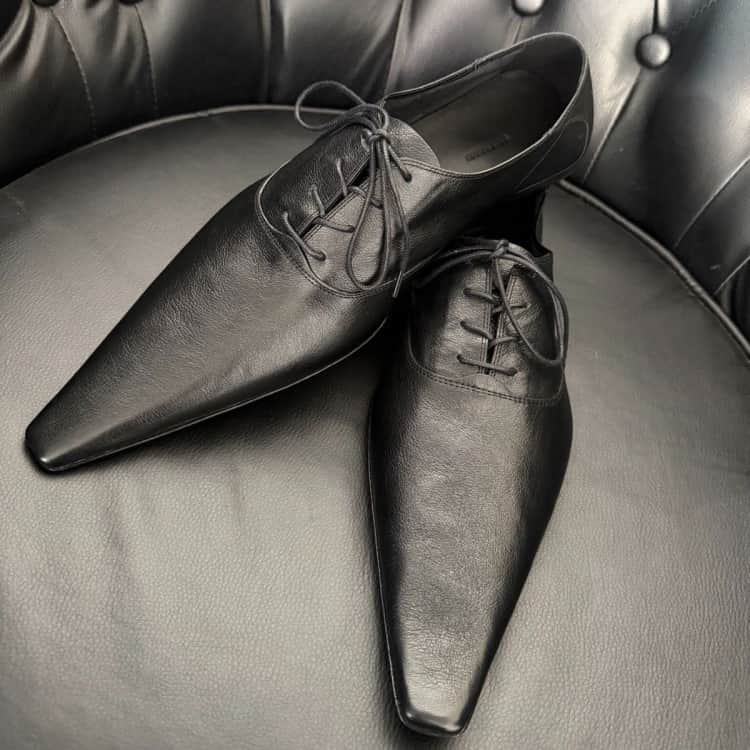
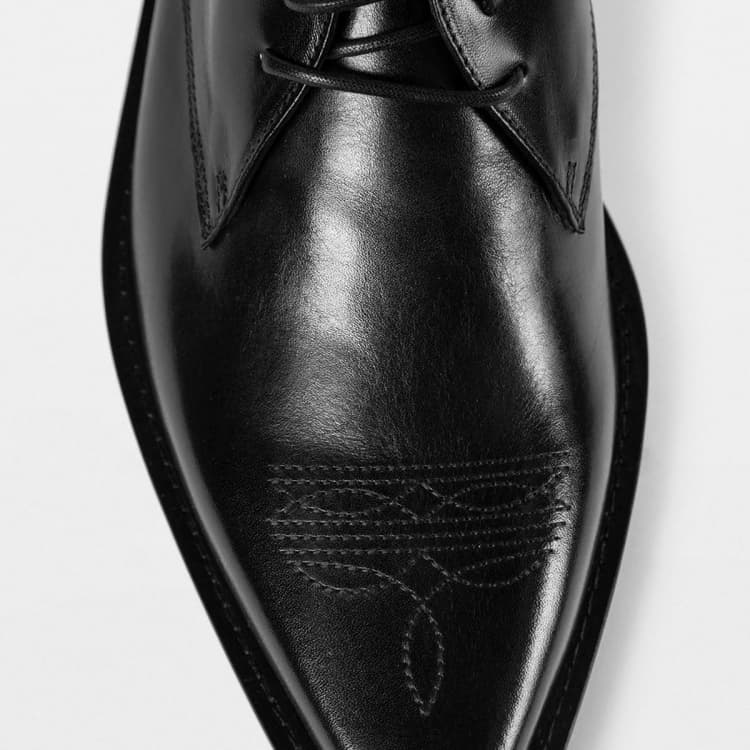
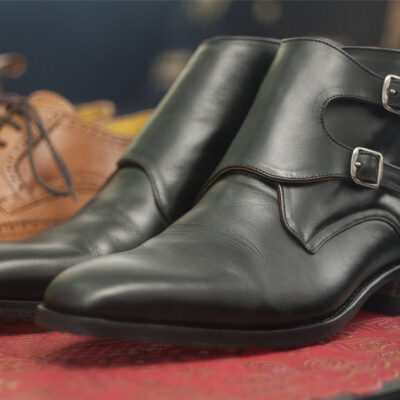
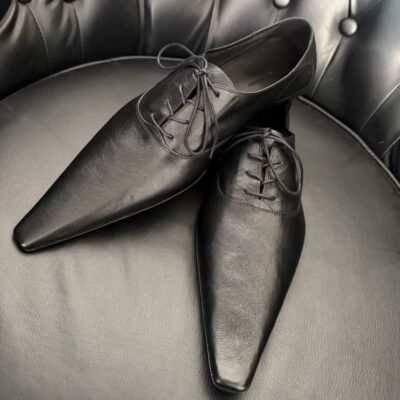
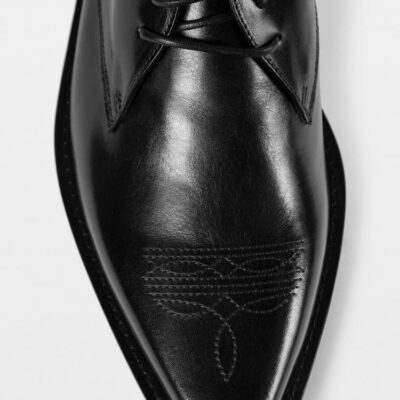
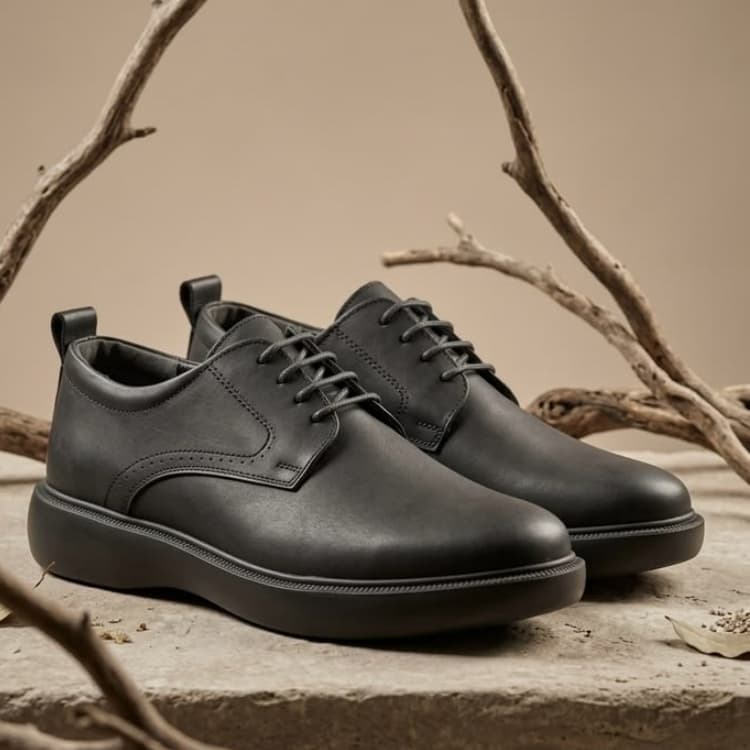
Silicone Upholstery Material for Shoes

Flexible silicone leather material for footwear uppers and trims, with stable color, soft touch and abrasion-resistant surface options.

  • MOQ: 300-Meter Start. Low barrier. Try it out. No massive stock risk.
  • Delivery: 14-Day Turn. Fast ship. We keep stock moving. No factory lag.
  • Safety: REACH Verified. Zero toxins. No PVC. Safe for global sales.
  • Durability: 200k Martindale. Won’t peel. Tough as nails. Built for boots.
  • OEM: Total Custom. Your colors. Your grain. Match your brand 
Share your love

Please enable JavaScript in your browser to complete this form.
Inquiry Type

The End of the Peeling Sneaker: Why Shalite Silicone Upholstery is the Smartest Buy in Footwear Manufacturing

Let’s be honest. If you are a procurement manager for a high-volume shoe factory, you’ve probably had “The Nightmare.” You know the one. You ship 50,000 pairs of sleek, synthetic leather sneakers to a major retailer. Six months later, the calls start coming in. The “leather” is peeling like a sunburned tourist. The toe boxes are cracking. The white finish has turned a sickly shade of cigarette-smoke yellow.

The culprit? Traditional Polyurethane (PU) and Polyvinyl Chloride (PVC). For decades, these materials were the only way to get the look of leather without the cost of a cow. But they have a shelf life shorter than a loaf of bread.

Enter Silicone Leather. Specifically, Shalite’s Premium Silicone Upholstery Material for Shoes. This isn’t just a minor upgrade; it is a fundamental shift in how footwear is built. If you’re tired of warranty claims and looking for a material that actually survives the real world, you’ll want to pay attention.


1. The Science of Not Falling Apart

Most synthetic leathers rely on petroleum-based resins and a cocktail of plasticizers to stay flexible. Over time, those chemicals evaporate (that “new car smell” is actually your material dying). Once the plasticizers are gone, the material becomes brittle and cracks.

Shalite Silicone Leather Material is built differently. It is derived from crystalline silica—basically, sand. The molecular backbone is a silicon-oxygen bond, which is significantly stronger and more stable than the carbon-carbon bonds found in PU.

The Hydrolysis Headache

In the footwear world, “hydrolysis” is the silent killer. It’s the chemical breakdown of a material due to moisture. If you’ve ever pulled an old pair of sneakers out of the closet only to have the sole or upper crumble in your hands, that’s hydrolysis.

According to technical studies on polymer degradation from sources like ScienceDirect, silicone is essentially immune to hydrolysis. While a high-end PU might last 2 to 3 years in a humid warehouse, Silicone-Based Leather remains stable for over a decade. For a technical buyer, that translates to zero “dead stock” due to material aging.


2. Performance Metrics: By the Numbers

In a B2B environment, “feelings” don’t get products on shelves. Data does. When comparing Shalite to traditional options, the gap is staggering.

Performance MetricShalite Silicone LeatherHigh-Grade PUPVC (Vinyl)
Abrasion Resistance (Martindale)>200,000 Cycles30,000 – 50,000 Cycles20,000 Cycles
UV ResistanceGrade 4.5+ (No Fading)Grade 3.0 (Yellows)Grade 2.0 (Cracks)
Cold Crack ResistanceDown to -40°CDown to -10°CBecomes brittle at 0°C
Skin IrritationHypoallergenicPotential SensitizerHigh (Phthalates)
CleaningWater & SoapSpecial SolventsChemicals required

The Martindale Reality

We put our shoes through hell. We kick curbs, we scuff them under desks, and we flex the forefoot thousands of times a day. Shalite’s Abrasion-Resistant Silicone Leather can withstand over 200,000 cycles on a Martindale rub test. Most sneaker brands consider 50,000 cycles “premium.” When you use Shalite, you aren’t just meeting the standard; you are obliterating it.


3. The “White Sneaker” Problem: Solved

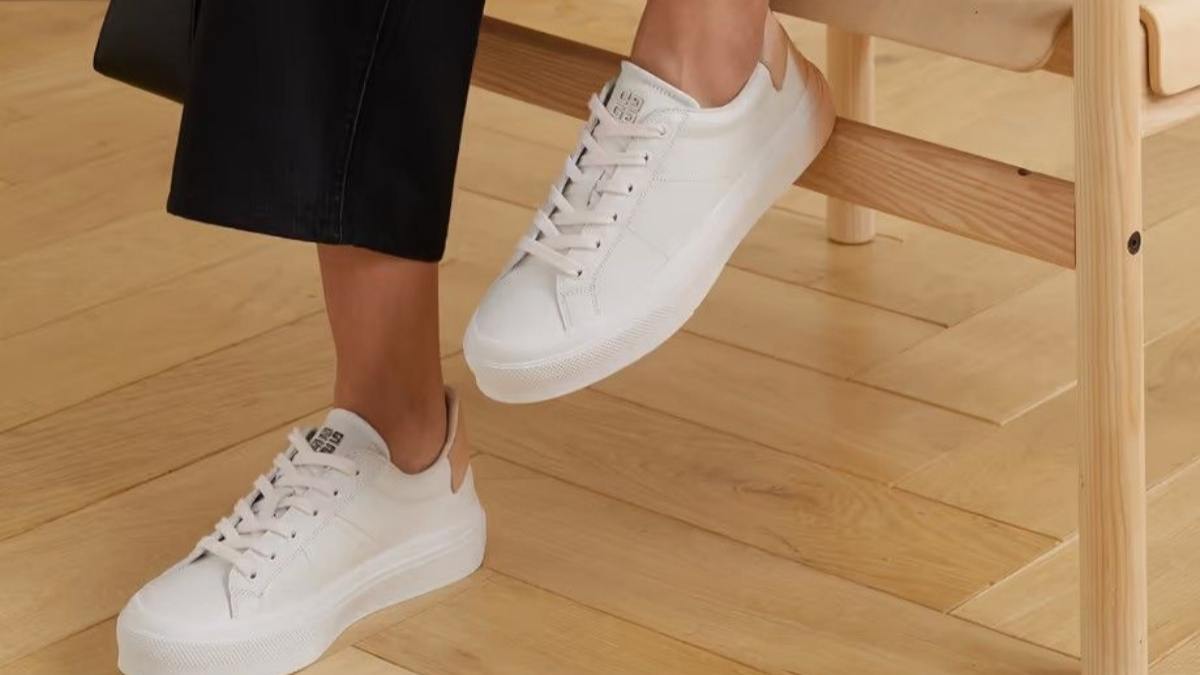
If your factory produces white sneakers—the bread and butter of the “athleisure” market—you know the pain of stains. Denim dye transfer, mud, and mustard are the enemies of a clean aesthetic.

Shalite’s Easy-Clean Silicone Leather has an incredibly low surface energy. This means it’s naturally “non-stick.” Most stains can be wiped away with a damp cloth. No harsh chemicals, no specialized cleaners. For the end consumer, this is a massive selling point. For the manufacturer, it means your Silicone Upholstery Material stays pristine during the assembly process, reducing factory seconds.

Silicone Upholstery Material for Shoes


4. Sustainability: Beyond the Buzzwords

Every brand today claims to be “eco-friendly.” But if you’re still using PVC, you’re dealing with phthalates and lead. If you’re using traditional PU, you’re likely dealing with DMF (Dimethylformamide) solvents.

Shalite offers a truly Eco-Friendly Silicone Leather.

  • PVC-Free Silicone Leather: No toxic dioxins during production or disposal.

  • Solvent-Free: Our coating process uses zero solvents, resulting in Low-VOC Silicone Leather that doesn’t smell like a chemical plant.

  • Regulatory Compliance: It meets the strictest REACH and RoHS standards, making it safe for global export.

When a procurement manager chooses Shalite, they aren’t just buying a material; they are future-proofing their supply chain against tightening environmental laws.

Silicone Upholstery Material for Shoes


5. Comfort and Skin Contact

Shoes are worn against the body, often for 12 to 14 hours a day. Cheap synthetics can cause “hot spots” and skin irritation due to the chemicals used in the tanning and finishing process.

Shalite Silicone Leather for Shoes is inherently hypoallergenic. It is the same base material used in baby bottle nipples and medical tubing. It’s Soft-Touch Silicone Leather that feels natural against the skin, breathes better than PVC, and doesn’t trap heat as aggressively as PU.


6. Customization for the Modern Factory

High-volume production requires consistency. You can’t have “Batch A” looking different from “Batch B.” Shalite’s OEM Silicone Leather program ensures that every roll meets the exact specification.

Design Versatility

  • Custom Color Silicone Leather: We can match any Pantone to ensure brand consistency across your entire footwear line.

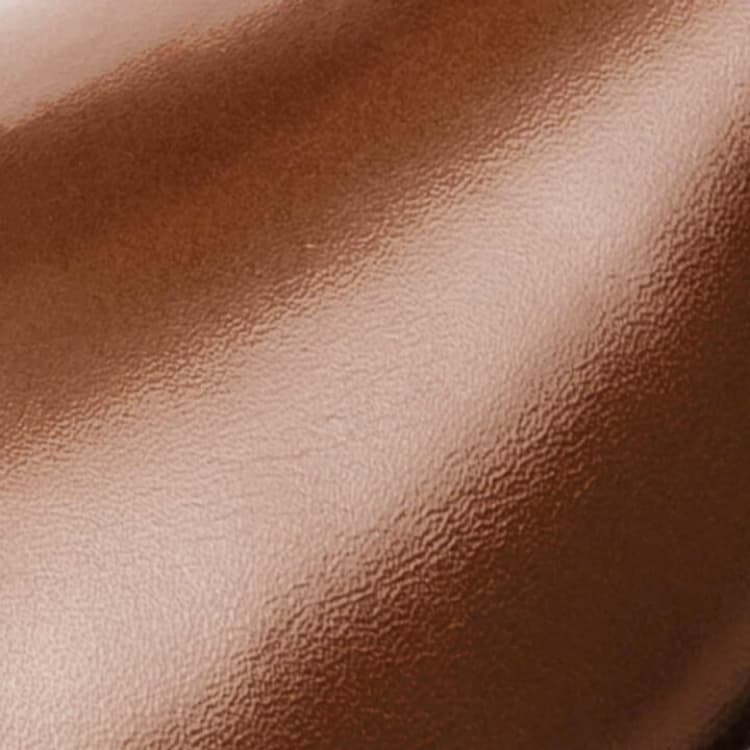
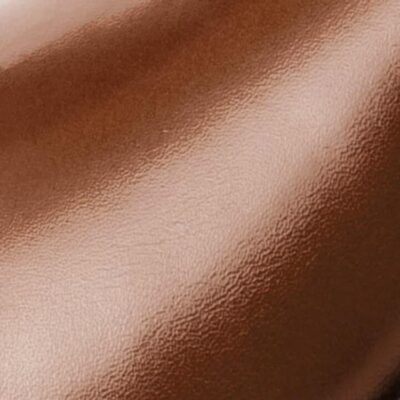
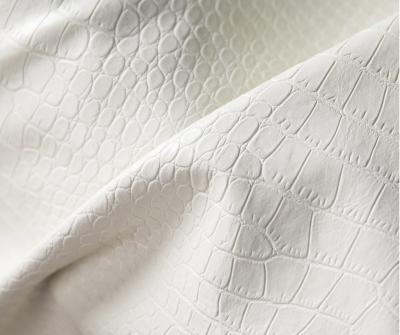
  • Custom Texture Silicone Leather: Whether you want the grain of premium calfskin, the rugged look of pebbled leather, or a futuristic geometric pattern, we can emboss it.

  • Backing Options: We can apply our silicone coating to various substrates, including recycled polyester, microfiber, or cotton, to achieve the specific weight and stretch your shoe design requires.


7. The Economics of the “Switch”

I can hear the skeptics now: “Silicone is more expensive per meter than PU.”

And you’re right. On a raw material invoice, the line item for silicone is higher. But Robert W. Bly would tell you to look at the True Cost of Production.

  1. Lower Rejection Rates: Silicone is more uniform than animal leather and more stable than PU. You get better cutting yields and fewer defects.

  2. Zero Yellowing: You don’t have to discount old stock because it changed color in the box.

  3. Brand Equity: One “peeling scandal” can cost a brand millions in lost reputation. Silicone eliminates that risk.

  4. Simplified Cleaning: Faster cleanup on the assembly line means more pairs out the door per hour.

In the world of Wholesale Silicone Leather, you aren’t paying for a “fabric.” You’re paying for the absence of problems.


8. Case Study: The “All-Weather” Boot

Consider a manufacturer of high-end outdoor boots. They switched from a traditional oil-tanned leather to Shalite’s Weather-Resistant Silicone Leather.

The Result?
The boots were 20% lighter. They remained flexible in sub-zero temperatures where the previous material became stiff as a board. Most importantly, the boots passed the 100,000-flex waterproof test with zero delamination. The brand was able to offer a lifetime warranty on the upper material—something their competitors couldn’t touch.


9. Frequently Asked Questions (FAQ)

Q1: Can silicone leather be glued like traditional materials?
Yes. While silicone is naturally “non-stick,” we treat the backing of our Silicone Coated Fabric to be compatible with standard shoe-making adhesives. We can provide specific bonding guidelines for your assembly line.

Q2: Is it suitable for athletic performance shoes?
Absolutely. It is Durable Silicone Leather that handles the high-stress environment of basketball or running shoes. Its ability to resist moisture means it won’t get heavy when the athlete sweats or runs through puddles.

Q3: How does the “breathability” compare to real leather?
While no synthetic is exactly like animal hide, our Silicone Coated Textile can be engineered with micro-perforations. Furthermore, silicone doesn’t have the “plastic-wrap” effect of PVC, allowing for better thermal regulation.

Q4: Will the color fade if the shoes are displayed in a sunny storefront window?
No. One of the greatest strengths of UV-Resistant Silicone Leather is its colorfastness. It stays “factory fresh” even under intense retail lighting or direct sunlight.

Q5: Is Shalite a direct Silicone Leather Manufacturer?
Yes. We control the entire process from silicone formulation to the final coating. This is why we can offer such high levels of Custom Silicone Leather support for our B2B partners.


10. Conclusion: The Future is Sand, Not Oil

The footwear industry is at a crossroads. The old ways of using “disposable” plastics are dying. Consumers are demanding longevity, and regulators are banning the chemicals that make PU and PVC possible.

Shalite Silicone Upholstery Material is the bridge to the next generation of footwear. It’s a material that respects the factory worker (no fumes), the environment (no toxins), and the end-user (no peeling).

If you’re a procurement manager or a factory owner, the question isn’t whether you’ll switch to silicone leather—it’s whether you’ll do it before or after your competitors do.

Choose the material that lasts. Choose the material that stays white. Choose the material that doesn’t peel. Your customers (and your bottom line) will thank you.


Project Support

Need silicone upholstery material for a U.S. upholstery program?

Share your application, target color, grain, backing and estimated volume. We will suggest a practical sample path for your team.