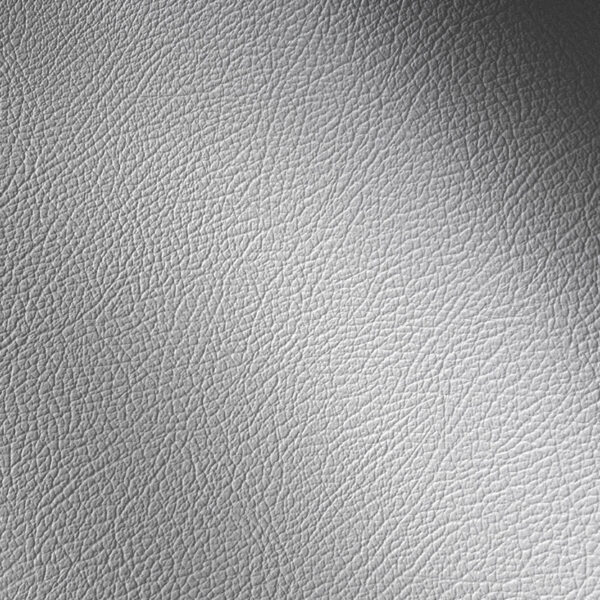
The 10-Year Jungle Test: Why Savvy Procurement Managers Are Ditching PU for Shalite’s Hydrolysis-Resistant Silicone Leather
I’ve spent a lot of time in furniture factories and luxury showrooms. If you’ve been in this game as long as I have, you’ve seen the “lizard skin” effect. You know exactly what I’m talking about. You walk into a high-end hotel lobby that was outfitted just three years ago, and the beautiful “leather” chairs look like they’re shedding. They’re flaking, peeling, and leaving little bits of plastic on the guests’ clothes.
It’s a nightmare for the brand, but for the procurement manager who signed off on that material? It’s a career-ending disaster.
In the trade, we call this delamination. But the science behind it is more specific. It’s called hydrolysis. And if you’re still specifying standard Polyurethane (PU) for high-humidity environments, you’re essentially planting a ticking time bomb in your client’s office.
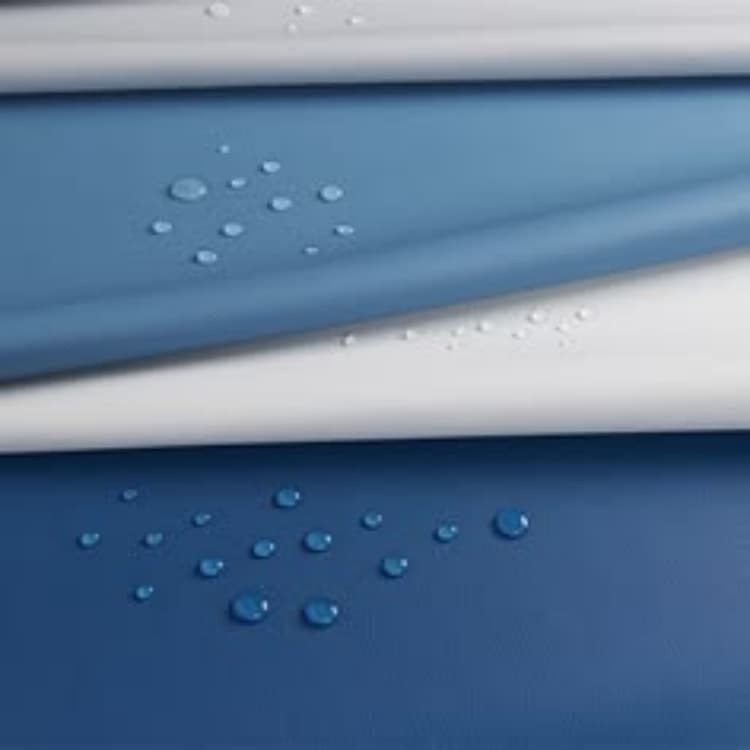
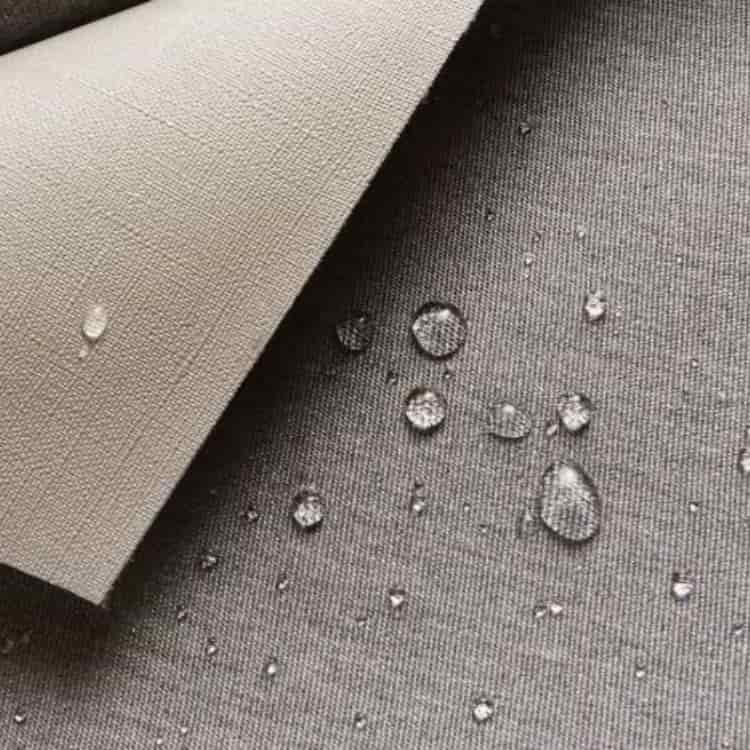
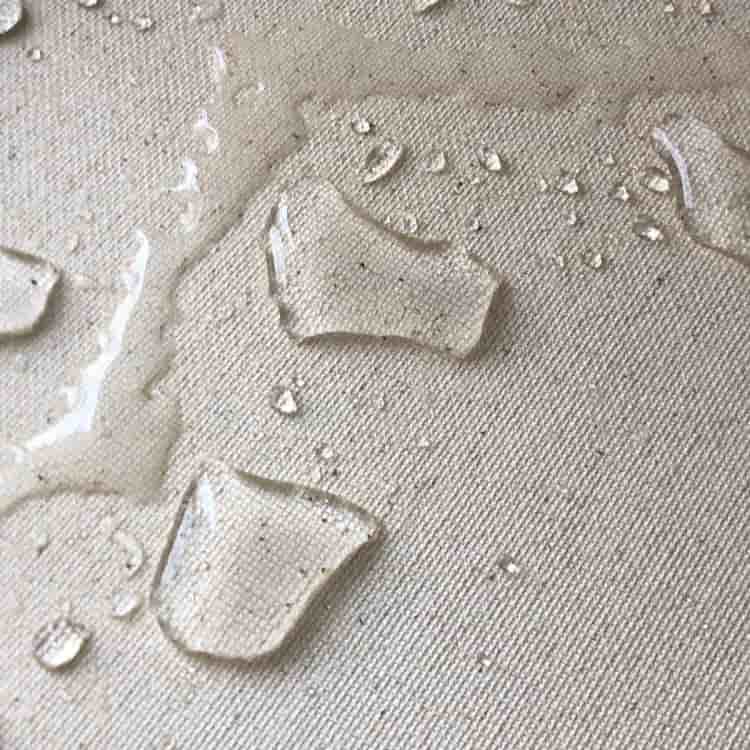
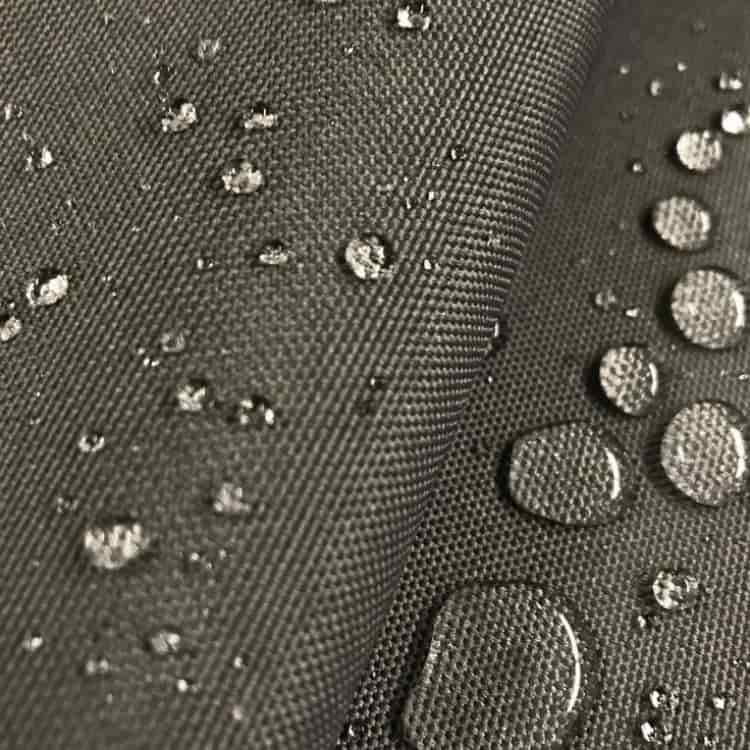
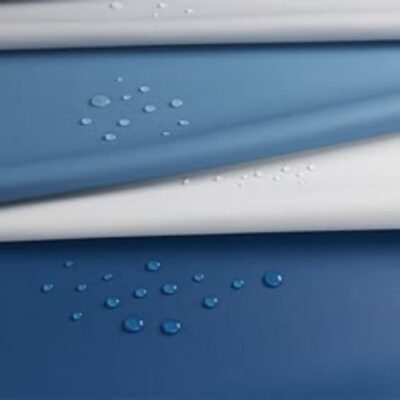
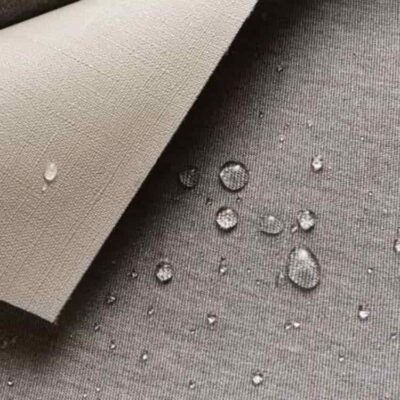
At Shalite, we decided a long time ago that “good enough” wasn’t going to cut it. We’ve seen enough failed PU to last a lifetime. That’s why we’ve gone all-in on Silicone Leather Material. It doesn’t just resist water; it treats humidity like a non-event.
The Chemistry of a Bad Investment: Why Your Upholstery Peels
Let’s get into the weeds for a second. Why does this happen? Hydrolysis is basically a chemical breakdown caused by water. If you’re using traditional synthetic leather, you’re using a material with an organic carbon-to-carbon backbone. When moisture in the air—even just normal humidity—hits those bonds, they start to snap.
Think of it as a slow-motion explosion. The water molecules wedge themselves into the polymer chains, forcing them apart. Eventually, the top layer loses its grip on the fabric backing, and poof—your premium seating starts looking like a cheap mess.
The Polyurethane (PU) Problem
Most people think “high-end PU” is safe. They look at the rub counts and think they’re protected. But rub counts (like the Wyzenbeek test) only measure friction. They don’t measure how the material handles a humid Tuesday in Florida or a steam-cleaned room in a hospital.
Organic Vulnerability: PU is organic matter. Nature is very good at breaking down organic matter.
The Heat Trap: In automotive interiors, heat speeds up this reaction. A car sitting in the sun is a giant oven for hydrolysis.
Chemical Sensitivity: Modern cleaners are aggressive. They don’t just kill germs; they eat the plasticizers in your vinyl and the resins in your PU.
By contrast, Silicone-Based Leather is inorganic. It’s built on a Silicon-Oxygen backbone. Since there’s no carbon-to-carbon link for the water to attack, the material stays stable. It’s the difference between building a house out of wood in a termite colony or building it out of stone.
The Jungle Test: Where Reputations Go to Die
If you are a technical buyer for a high-volume factory, you need to live and die by the ISO 1419 test. We call it the Jungle Test, and for good reason.
We take a piece of Silicone Coated Fabric, put it in a chamber at 70°C (158°F) with 95% relative humidity, and leave it there. One week in that chamber is roughly equivalent to one year in the real world.
Most “commercial grade” PUs fail after three or four weeks. They come out of the chamber looking like they’ve been through a war. Our Durable Silicone Leather consistently hits 10, 15, and even 20 weeks without a single crack.
Material Performance Comparison
| Hydrolysis Resistance | 1-2 Weeks (Jungle Test) | 5-7 Weeks (Jungle Test) | 15+ Weeks (Jungle Test) |
| Primary Failure | Peeling & Flaking | Surface Cracking | None / Retains Suppleness |
| UV Stability | Poor (Yellows over time) | Moderate | Excellent (Marine Grade) |
| Feel / Hand | Plastic-like over time | Good | Premium “Buttery” Softness |
| Environmental Cost | High (Solvents/DMF) | Moderate | Low (PVC/Solvent Free) |
When you see those numbers, the choice becomes a lot easier. If you’re a procurement manager, do you want to be the person who saved 10% on the upfront cost, only to pay for a full replacement in 24 months? I didn’t think so.
Why Silicone is the New Standard for “Performance”
It’s not just about the water. As a Silicone Leather Manufacturer, we’ve had to solve the “Triple Threat” of modern upholstery.
1. The Chemical Combat Zone
Hospitals and clinics are a war zone for fabrics. Between bio-fluids and the quaternary ammonium cleaners used to sanitize them, most materials stand zero chance. Our Silicone Upholstery Material is chemically inert. You can pour bleach on it, scrub it with alcohol, and it won’t blink. It doesn’t get brittle, and it won’t lose its color.

2. The Sun and the Sea
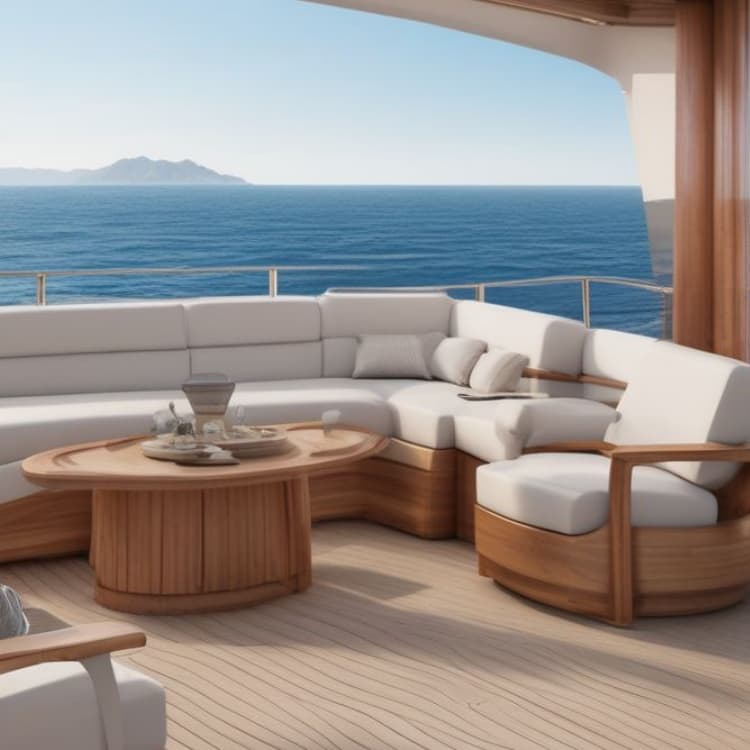
In the marine industry, you’re fighting salt, sun, and moisture all at once. Typical PVC (vinyl) uses plasticizers to stay soft. The sun bakes those plasticizers out, and the material becomes as brittle as a potato chip. Marine Silicone Leather doesn’t have plasticizers to lose. It stays soft in the sun and won’t support the growth of pink mold or mildew.
3. The Skin-Friendly Factor
Have you ever sat on a cheap faux leather chair and felt like your legs were glued to it? That’s poor breathability and high surface tension. Our Soft-Touch Silicone Leather is skin-friendly. It’s hypoallergenic and doesn’t have that weird “chemical smell” that ruins the air quality in small offices or luxury car cabins.
The Economic Logic: Total Cost of Ownership (TCO)
I get it. Your boss wants you to lower costs. But in manufacturing, the “cheapest” material is often the most expensive mistake you’ll ever make.
Let’s look at a quick scenario. You’re building 500 chairs for a cruise line.
Option A: Cheap PU at $8/yard. It looks great for 18 months. Then it peels. Now you’re paying for shipping, labor, and new material to fix it. Plus, you’ve lost that client forever.
Option B: Wholesale Silicone Leather at $22/yard. It lasts 10 years. Your brand is seen as “indestructible.” You get the next 10 contracts from that client.
The TCO on Option B is pennies compared to the disaster of Option A. If you’re a pro, you know you aren’t buying fabric; you’re buying a reputation for quality.
Sustainability: Not Just a Buzzword
We’re all under pressure to be “green.” But most green alternatives are fragile. They break down too fast.
Shalite’s Eco-Friendly Silicone Leather is the exception.
Since it’s made from silica (sand), it’s one of the most sustainable paths forward for high-performance seating. You’re not using petroleum-based plastics that will sit in a landfill for 500 years after they fail. You’re using a material that is designed for longevity.
Applications: Where This Tech Truly Shines
Where should you use it? Basically, anywhere that people sit.
Healthcare: From dental chairs to dialysis units. If it needs to be sanitized, it needs to be silicone.
Hospitality: Hotel headboards and lobby seating.
Outdoor: Restaurant patios and poolside lounges. Weather-Resistant Silicone Leather is the only way to go here.
Automotive: For interiors that need to survive the heat of a parked car in July. Automotive Silicone Leather is becoming the gold standard for electric vehicle fleets.
Customization: Making it Your Own
We don’t expect you to settle for a standard catalog. As a Silicone Leather Factory, we specialize in OEM Silicone Leather.
Need a Custom Color Silicone Leather to match a specific hotel brand? We can do that.
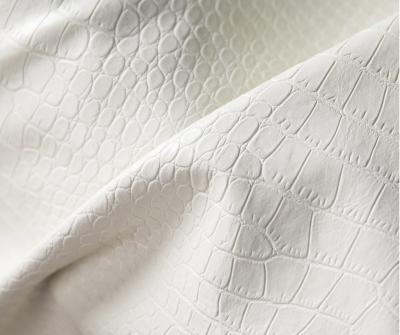
Need a specific grain or texture? From pebble to smooth nappa, we offer Custom Texture Silicone Leather that feels like the real thing.
Hard-Won Insights from the Production Line
I’ve talked to the guys on the sewing floor. They’ll tell you that silicone is a bit different to work with. Because it’s so durable and has a high “grip,” you can’t just run it through a standard setup like it’s cheap vinyl.
We always recommend using a Teflon-coated presser foot and a walking-foot machine. Once you dial in the tension, the material sews like a dream. It doesn’t fray at the seams, and its tear strength is significantly higher than most PUs. This means you can have tighter upholstery pulls without worrying about the material ripping at the staple line.
Frequently Asked Questions
Is it actually “leather”?
Technically, no. It’s better. It’s a Silicone-Based Leather alternative. It gives you the look and feel of premium animal hide without the ethical baggage, the maintenance, or the tendency to stain.
How do I clean it?
Soap and water. That’s usually it. For tough stuff like permanent marker or ink, you can use a bit of isopropyl alcohol. Unlike vinyl, it won’t “cloud” or become brittle after cleaning. It’s Easy-Clean Silicone Leather in the truest sense.
Is it fire-rated?
Yes. Silicone is naturally flame-resistant. Our materials pass CAL TB117-2013 and can be treated to meet even stricter BS5852 or IMO standards for the cruise ship and aviation industries.
Does it get hot in the sun?
Actually, silicone has lower thermal conductivity than PVC or PU. It doesn’t absorb heat as quickly, meaning it won’t burn your skin when you sit on it in a hot car or a boat deck.
What about denim dye?
This is the “blue jeans” problem that ruins white sofas. Most synthetic leathers absorb the dye into their pores. Silicone is non-porous. The dye sits on top and can be wiped right off.
The Verdict: Stop Settling for Materials That Peel
Look, the world is moving away from disposable products. Consumers want things that last, and clients are tired of paying for renovations every few years.
If you’re in charge of procurement or production, the buck stops with you. You can either keep buying the same PU and hoping for a different result, or you can switch to a Performance Upholstery Material that is actually engineered for the real world.
Hydrolysis isn’t a mystery anymore. It’s a choice. When you choose Shalite, you’re choosing to stop the peeling, stop the claims, and start building products that actually stand the test of time.
If you want to see the difference for yourself, get in touch with us at our Silicone Leather Factory. We’ll send you the samples, and you can run your own “jungle test.” I think you’ll be impressed.
Ready to upgrade? Check out our full range of Silicone Leather Products and let’s build something that lasts.