Why Your Marine Seats Are Failing—And the “Hidden” Tech That Stops the Bleeding
Let’s be honest. If you’re a procurement manager for a boat builder, you’ve probably spent more time dealing with warranty claims on upholstery than you’d care to admit. You buy “premium” vinyl, it looks great on the showroom floor, and then—six months later—a client from Florida calls because their white seats have turned a weird shade of pink or have started cracking like an old desert road.
It’s a cycle of frustration that eats your margins. But there’s a way out. At Shalite, we’ve seen the shift happen. High-volume manufacturers are ditching the old-school PVC and PU materials for something that actually survives the ocean: Marine-Grade Silicone Upholstery Material.
This isn’t just another fabric. It’s a complete shift in how we think about boat interiors.
The Chemistry of Why Vinyl Sucks (And Why Silicone Doesn’t)
Most people in the B2B space think “leather is leather.” It isn’t. Traditional marine vinyl (PVC) is basically a rigid plastic that’s been forced to stay soft using chemicals called plasticizers.
The sun is a giant UV laser. It hits those seats and pulls the plasticizers to the surface. They evaporate, leaving the seat brittle. Then you get the cracks. Silicone Leather Material doesn’t use plasticizers. Its soft feel comes from its molecular structure—a silicon-oxygen backbone that’s way tougher than the carbon bonds found in vinyl or PU.
I’ve seen tests where silicone sits under 3,000 hours of direct UV and doesn’t even flinch. Most vinyl starts to fail at 500. You do the math on that longevity.

The “Pink Stain” Disaster
Ever heard of Streptoverticillium reticulum? It’s a fancy name for the bacteria that causes those nasty pink stains on boat seats. Vinyl is organic; it’s basically a buffet for microbes. They eat the plasticizers and poop out pink dye. Silicone Coated Textile is inorganic. It’s like trying to eat a rock. Bacteria can’t grow on it, so the pink stain problem simply disappears.
The Cold, Hard Data for Procurement
Technical buyers don’t care about marketing fluff. They care about specs that keep them out of legal trouble. When you look at Silicone-Based Leather from a manufacturing standpoint, the numbers are hard to ignore.
| UV Resistance (QUV) | 500-1,000 Hours | 3,000+ Hours | No yellowing or cracking in the sun. |
| Abrasion (Wyzenbeek) | 50,000 Cycles | 200,000+ Cycles | It handles heavy traffic and “butt-friction” easily. |
| Heat Sensitivity | Gets scorching hot | Stays cool to the touch | No more burnt legs on dark cushions. |
| Hydrolysis | Peels in 3-5 years | 10+ Years (No Peeling) | It thrives in humid, salty air. |
| Cold Crack | -10°F | -40°F | It won’t shatter in a harsh winter. |
Saving Money by Spending More? (The TCO Reality)
I get it. Silicone is more expensive per yard. If you’re only looking at the initial invoice, it’s a tough pill to swallow. But let’s look at the “hidden” costs of cheap material:
The Warranty Trap: You pay for the new fabric, the shipping, and the local upholsterer’s labor. That’s a $1,500 repair for a $100 “saving.”
Brand Damage: One bad review on a boating forum about “cheap seats” can cost you ten future sales.
Chemical Headaches: Using Eco-Friendly Silicone Leather means you aren’t dealing with REACH or RoHS compliance issues. It’s inherently safe.
When you factor in the 10-year lifespan of Durable Silicone Leather, the cost per year is actually significantly lower than vinyl. It’s an investment in your brand’s reputation.
The Environmental Edge: No More “New Boat” Smell
That “new boat” smell we all know? That’s actually Volatile Organic Compounds (VOCs) off-gassing into the cabin. It’s not healthy. Low-VOC Upholstery Material like our silicone leather is solvent-free and phthalate-free.
In a world where luxury buyers are obsessed with wellness and “blue” sustainability, being able to say your yacht uses PVC-Free Silicone Leather is a massive marketing win. It’s better for the ocean, and it’s better for the people sitting on it.
How to Integrate Silicone into Your Factory Line
Some factory managers worry that silicone is “slippery” or hard to sew. That used to be true ten years ago. Today, Silicone Leather for Upholstery is engineered with high-performance backings (like polyester knit or microfiber) that provide the perfect amount of “grab” for industrial sewing machines.
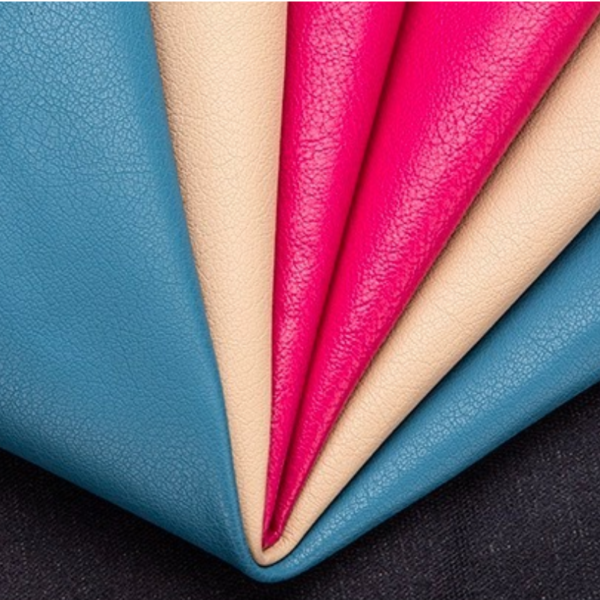
If you’re doing OEM Silicone Leather work, you can get custom textures—anything from a rugged pebbled grain to a sleek, modern matte finish. It handles corners and complex curves just as well as high-end leather, but without the natural flaws and waste.
Maintenance: The “Margarita” Test
On a charter boat, things get spilled. Wine, sunscreen, mustard, fish blood—you name it. Most fabrics soak these in. Easy-Clean Silicone Leather is virtually non-porous. You can literally wipe off permanent marker with a dry cloth. For a rental fleet or a luxury yacht, this reduces cleaning time by half.
Key Industry Standards & Sources
ASTM G154: Standard for UV exposure testing.
IMO FTP Code Part 8: International fire safety for marine vessels.
OEKO-TEX Standard 100: Certification for non-toxic textiles.
REACH Compliance: European chemical safety regulations.
5 Frequently Asked Questions from Manufacturers
1. Is it really bleach-cleanable?
Yes. You can use a 10% bleach solution to disinfect the seats without damaging the color or the finish. It’s incredibly resilient to harsh chemicals.
2. Does it work with existing adhesives?
Silicone is “anti-stick” by nature. You’ll want to use mechanical fastening or specialized silicone-compatible adhesives. We provide full technical support for Custom Silicone Leather installations.
3. Will it peel like PU leather?
No. PU peels because of hydrolysis (water breaking down the bonds). Silicone is inorganic and doesn’t react with water. It won’t peel, period.
4. Can we get custom colors for our brand?
Absolutely. We specialize in Custom Color Silicone Leather for high-volume production. If you can dream of a color, we can match it in the lab.
5. How does it handle extreme cold?
While vinyl gets stiff and can shatter in freezing temps, silicone stays flexible down to -40°F. It’s the perfect choice for boats in northern climates.
The Bottom Line
The days of replacing boat upholstery every three years are over. As a Silicone Leather Manufacturer, we’ve seen the data: manufacturers who switch to silicone see an immediate drop in warranty claims and a jump in customer satisfaction.
If you’re still using PVC or PU for your marine seating, you’re essentially building a “timed bomb” into your product. It’s going to fail eventually. Why not switch to a Performance Upholstery Material that actually lives up to the “Marine-Grade” label?
Stop throwing money at repairs and start building with the future. Check out the full range at Shalite Silicone Leather and let’s get your next production run right.