The Brutal Truth: Why I Stopped Recommending PU Leather for Big Projects
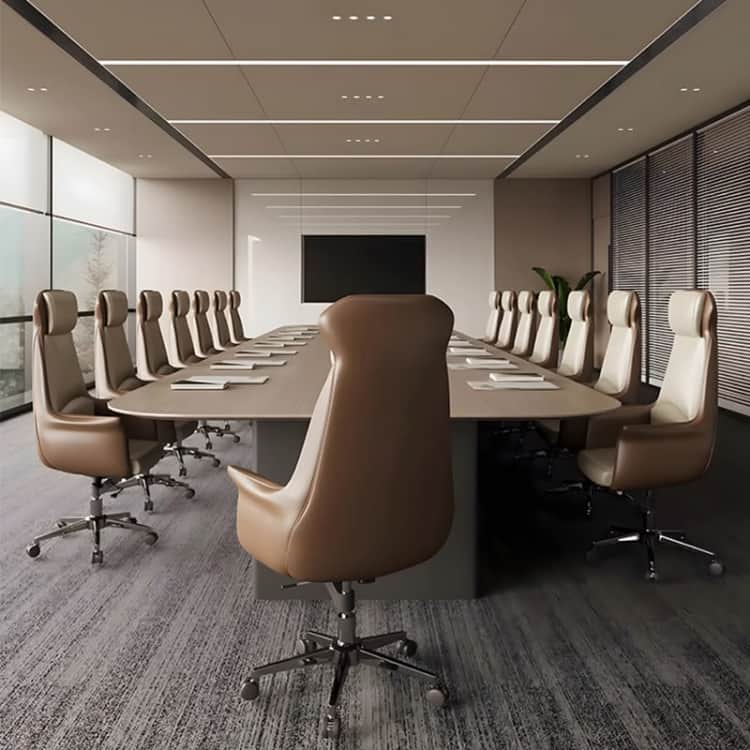
If you’re deciding between standard synthetic skins and silicone leather products for a high-traffic space, let me save you the headache. Stop looking at the initial price tag. The real cost isn't what you pay the silicone leather manufacturer today but it's what you’ll pay for repairs three years from now. Silicone leather is the only choice that actually survives the chaos of public use without falling apart.
Look, I’ve spent the better part of a decade walking through furniture factories and hospital lobbies. I’ve seen some stuff. Specifically, I’ve seen expensive “luxury” PU leather seats that looked like a molting snake after just eighteen months. It’s embarrassing for the designer and it’s a massive waste of money for the owner.
If you’re deciding between standard synthetic skins and silicone leather products for a high-traffic space, let me save you the headache. Stop looking at the initial price tag. The real cost isn’t what you pay the silicone leather manufacturer today but it’s what you’ll pay for repairs three years from now. Silicone leather is the only choice that actually survives the chaos of public use without falling apart.
Why commercial grade fabrics don’t always hold up
A lot of people assume commercial grade means a fabric will last forever, but that is rarely the case. Standard Polyurethane, or PU, is really just a thin coating of plastic over a fabric backing, and it breaks down pretty quickly when exposed to moisture or standard cleaning chemicals.
In the industry, we call the failure “hydrolysis.” It’s a fancy word for the plastic literally rotting because of humidity or the sweat from people sitting on it. One day it looks fine and the next day it’s peeling off in giant flakes.
Back in 2019, I worked with a hotel chain that insisted on using a high-end PU for their breakfast nooks to cut down on costs. By 2021, those seats were completely ruined. We ended up swapping everything out for pvc-free silicone leather, and the long-term results were completely different. Four years later and those nooks still look brand new.
Let’s Talk Performance (The Stuff You Can Actually Measure)
When I sit down with big clients, they always want the data. Fine, let’s look at the numbers. But don’t just look at the charts; think about what they mean for your janitorial staff.
1. The Scrub Test
In any big office or clinic, someone is going to spill coffee or ink. In a post-2020 world, everything gets wiped down with harsh disinfectants. PU leather can’t handle that. The chemicals eat the surface and make it brittle.
Silicone is different. It’s chemically inert. You can literally pour bleach on our eco-friendly leather alternative and it won’t even change color. I’ve watched maintenance guys use pure isopropyl alcohol to get permanent marker off silicone seats. It’s like magic but it’s just better chemistry.
2. The Rub Test
We use the Wyzenbeek machine to test for wear. Most commercial PU is rated for maybe 100,000 double rubs. Our stuff at Shalite? It blows past 200,000 rubs without breaking a sweat.
Commercial Requirement: 30,000 double rubs
Shalite Silicone: 200,000+ double rubs.
You’re not just buying a material and you’re buying peace of mind.
Why Big Clients are Obsessed with “Green” Now
If you’re outfitting a massive corporate headquarters, you probably have a sustainability officer breathing down your neck. They want “green” and they want it yesterday.
Most synthetic leathers use Dimethylformamide (DMF). It’s a nasty solvent that’s bad for the workers and bad for the air quality in your building. Our silicone process is totally solvent-free. It’s a low-voc silicone leather so you don’t get that “new car smell” which is actually just chemicals off-gassing into your lungs.
I’ve had healthcare clients choose our material simply because it’s biocompatible. It’s the same stuff they use for medical tubing. If it’s safe enough to be inside a human body, it’s safe enough for your lobby sofa.
Best Practices: How to Actually Buy This Stuff
Don’t just take my word for it. When you’re ready to start your project, follow my “expert’s checklist” to make sure you aren’t getting ripped off:
Practice 1: The Marker Test. Get a sample. Use a Sharpie. Wait ten minutes. If you can’t wipe it off with a little alcohol, it’s not pure silicone.
Practice 2: Feel the Temperature. PU feels like plastic and it gets sticky when it’s hot. Silicone stays cool. Sit on a sample for five minutes. If your leg feels sweaty, it’s not the right material.
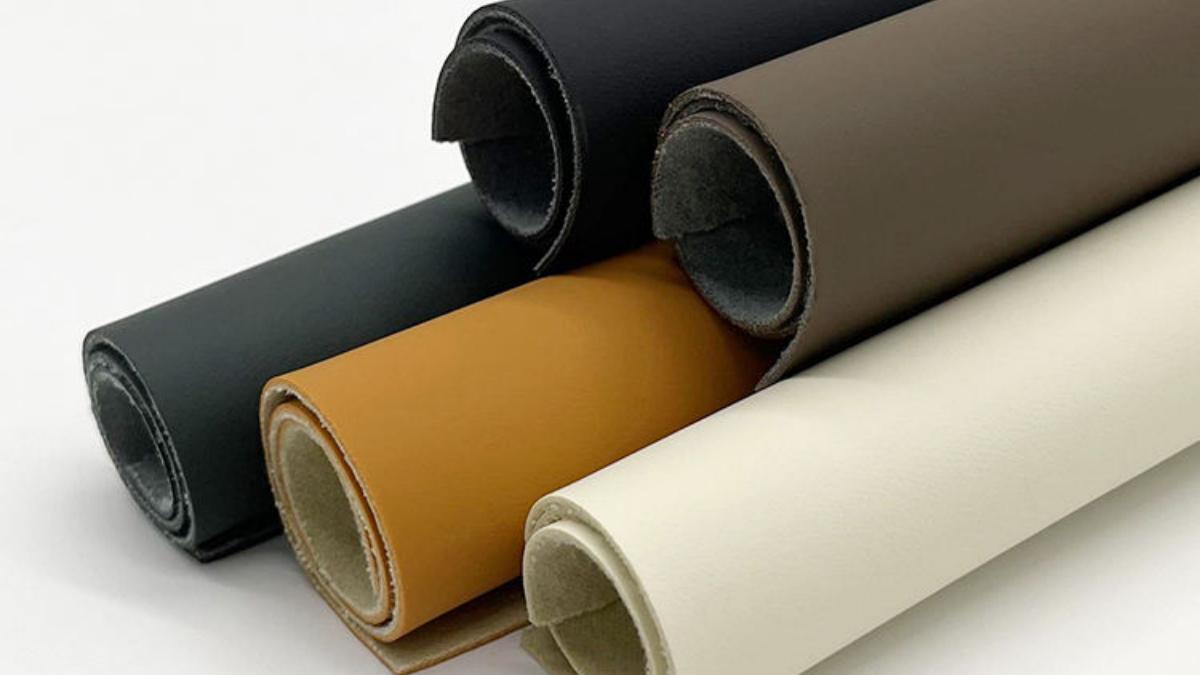
Practice 3: Ask for custom color silicone leather. Don’t settle for “stock” colors if you’re doing a big run. At Shalite, we can match your brand’s specific palette so the design looks intentional and not just “off the shelf.”
The “Money” Part: Is It Worth the Price?
I’ll be honest with you. Silicone leather costs more per yard than PU. If you’re just looking at the invoice for this month, PU wins.
But I want you to think about the “Total Cost of Ownership.” If you buy PU, you’re paying for the material, the labor to install it, and then—three years later—the labor to rip it out and do it all over again.
When you buy Shalite silicone, you pay for it once. You don’t pay for repairs and you don’t pay for early replacements. For a business owner, that’s not an expense; it’s an investment that pays for itself by year four.
Case Study: The Kindergarten Classroom
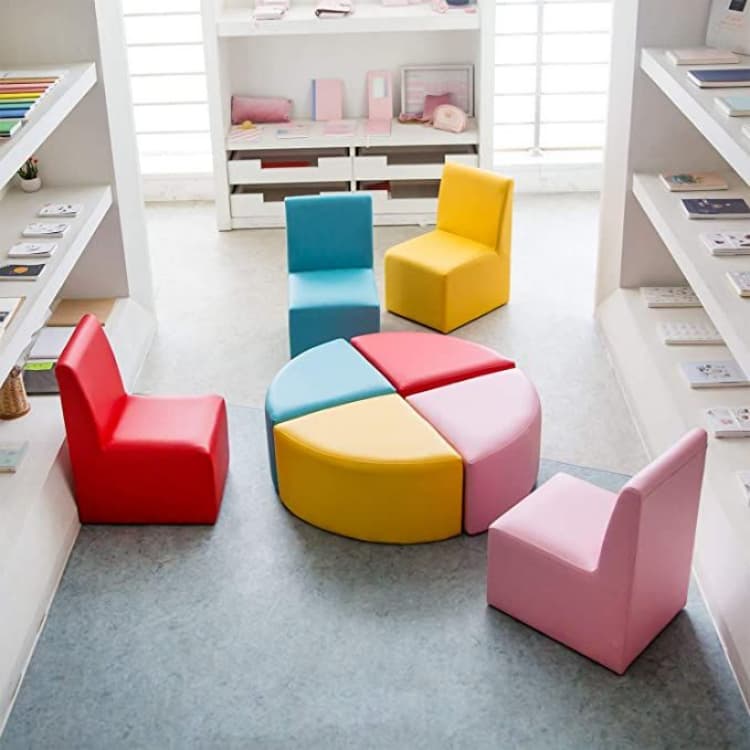
We did a project for a large private school. They needed something for the reading corners. Kids are brutal on furniture. They spill juice, they scuff their shoes, and they pick at seams.
They had tried cheap vinyl and it lasted one semester. We put in silicone leather three years ago. I went back to visit last month and the teacher told me it was the best decision the school ever made. They just wipe it down at the end of the day and it looks brand new. No cracks and no peeling. Just a soft, safe place for kids to sit.
FAQ: What the Big Buyers Always Ask
1. Is it actually better for the environment?
Yes, mostly because the manufacturing process doesn’t use water or toxic solvents. It also lasts about three times longer than standard PU, so you’re throwing less away over time. If your company is trying to hit specific sustainability targets, it’s a solid option.
2. Can it handle sunlight?
Yes. Most leathers crack and fade if they sit near a window. Silicone is naturally UV resistant. It won’t turn yellow and it won’t get brittle even if it’s in direct sun all day. This is why we use it for outdoor lounge areas too.
3. Does it smell?
Nope. That “chemical” smell you get with cheap furniture comes from VOCs. Our silicone is low-VOC and basically odorless. It’s much better for the air quality in tight spaces like offices or hospital rooms.
4. How do I know I’m getting 100% silicone?
Check the specs. Some suppliers mix silicone with PU to save money. Ask for the data sheets. At Shalite, we are transparent about our layers. If we say it’s silicone, it’s the real deal.
5. Is it fire safe?
Silicone is naturally flame retardant. It doesn’t need a bunch of extra chemicals to pass fire codes. It’s safer for the environment and safer for the people sitting on it.