Beyond Peeling: The Professional’s Guide to Customizing Silicone Leather for Extreme Durability
If you want the honest truth: switch to silicone leather. To be fair, it’s the only material I’ve handled that actually delivers on its promises. It doesn’t peel, you won't get that "chemical plant" smell, and it won't crumble the second you hit it with a bleach wipe. At Shalite, we do more than just ship rolls of fabric; we partner with you to build a custom material that is actually designed to last a decade.
I’ve spent a lot of time on factory floors, and if there’s one thing I’ve learned, it’s that most “synthetic leathers” are a massive headache waiting to happen. We’ve all seen it—that one expensive lounge chair that starts peeling like a bad sunburn after just a year or two. It’s not just frustrating; it’s a complete waste of your budget.
If you want the honest truth: switch to silicone leather. To be fair, it’s the only material I’ve handled that actually delivers on its promises. It doesn’t peel, you won’t get that “chemical plant” smell, and it won’t crumble the second you hit it with a bleach wipe. At Shalite, we do more than just ship rolls of fabric; we partner with you to build a custom material that is actually designed to last a decade.
Why Customization is Your Secret Weapon
When I chat with designers, the first question is usually about the price tag. But I always tell them to look at their “return rate” first. Sure, a cheap PU might save you a few bucks today, but what happens when a whole fleet of car seats or hospital chairs fails in eighteen months?
That is exactly where silicone leather material changes things. At Shalite, we let you tweak every single detail so the material fits your specific project like a glove.
1. Color: It’s Not Just About “Looking Good”
Most people assume picking a color is purely for style. In my experience, though, it’s really about long-term durability. Traditional leathers rely on organic dyes that basically give up when they hit the sun. They fade, they streak, and they look old fast.
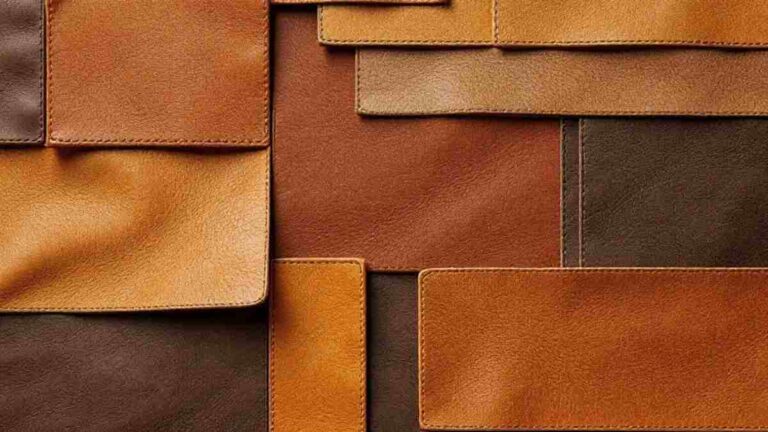
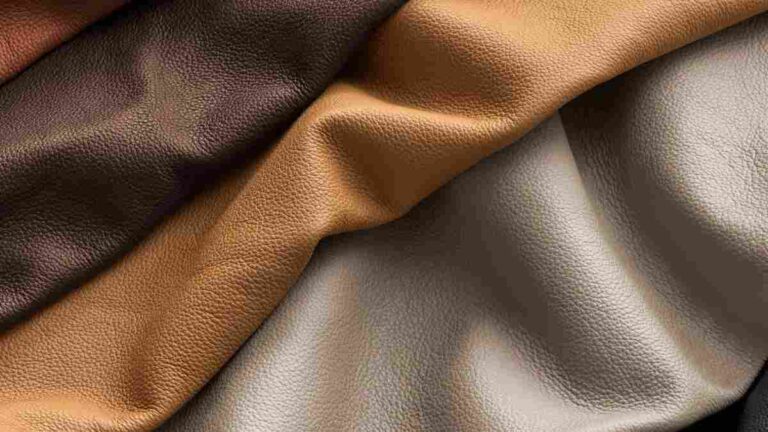
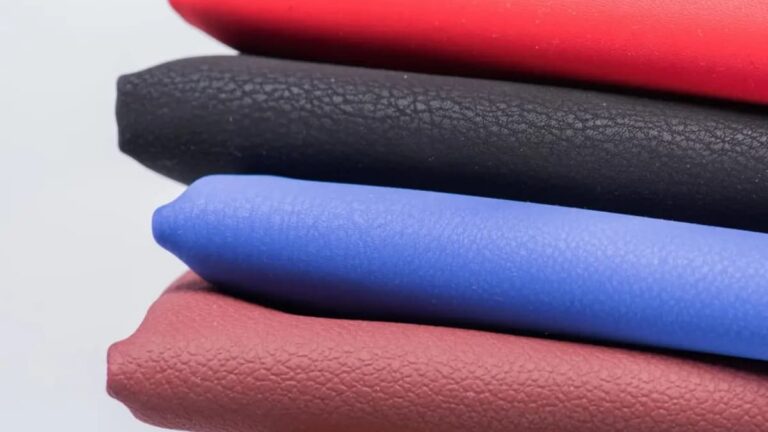
We use inorganic pigments instead. We can match any Pantone or RAL shade you need, and because it’s custom color silicone leather, that color is literally baked into the material’s DNA.
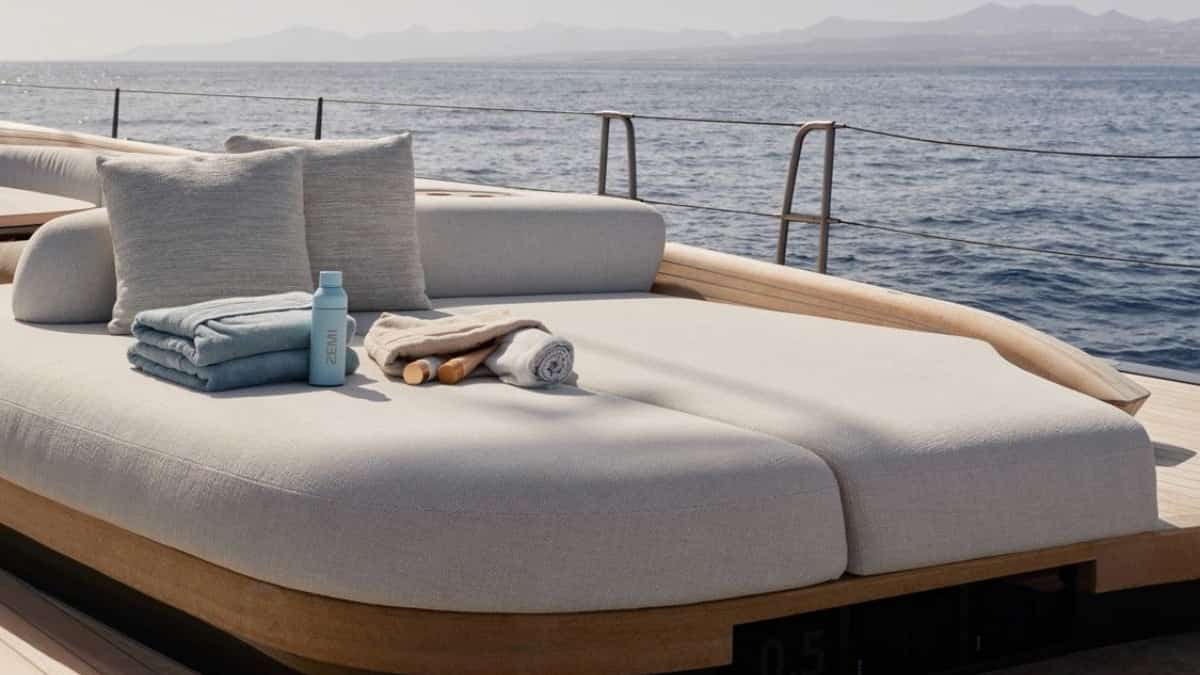
Here’s a real-world example: I once worked with a boat builder in Florida. Their white seats always turned a nasty yellow from the salt and UV. We switched them to a custom UV-stable silicone, and two years later, they were still bright white.
2. Texture: The “Hand-Feel” That Sells
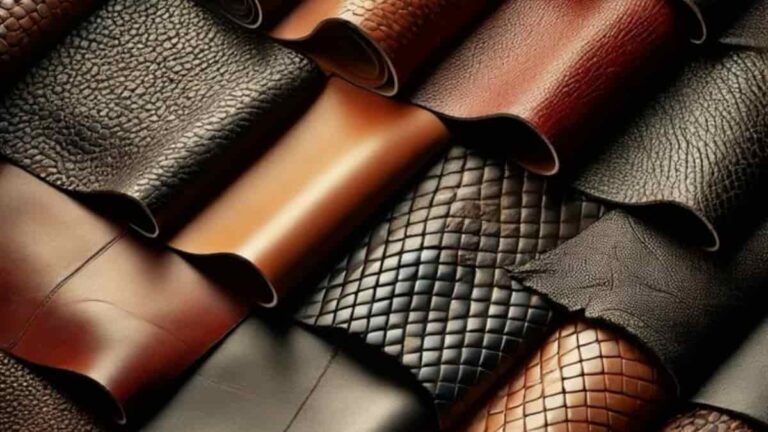
Texture is how you trick the brain into realizing a material is high-end. If it’s too smooth, it feels like a cheap raincoat, but if the grain is too deep, it becomes a nightmare to keep clean.
At Shalite, we use precision rollers to press patterns into the silicone.
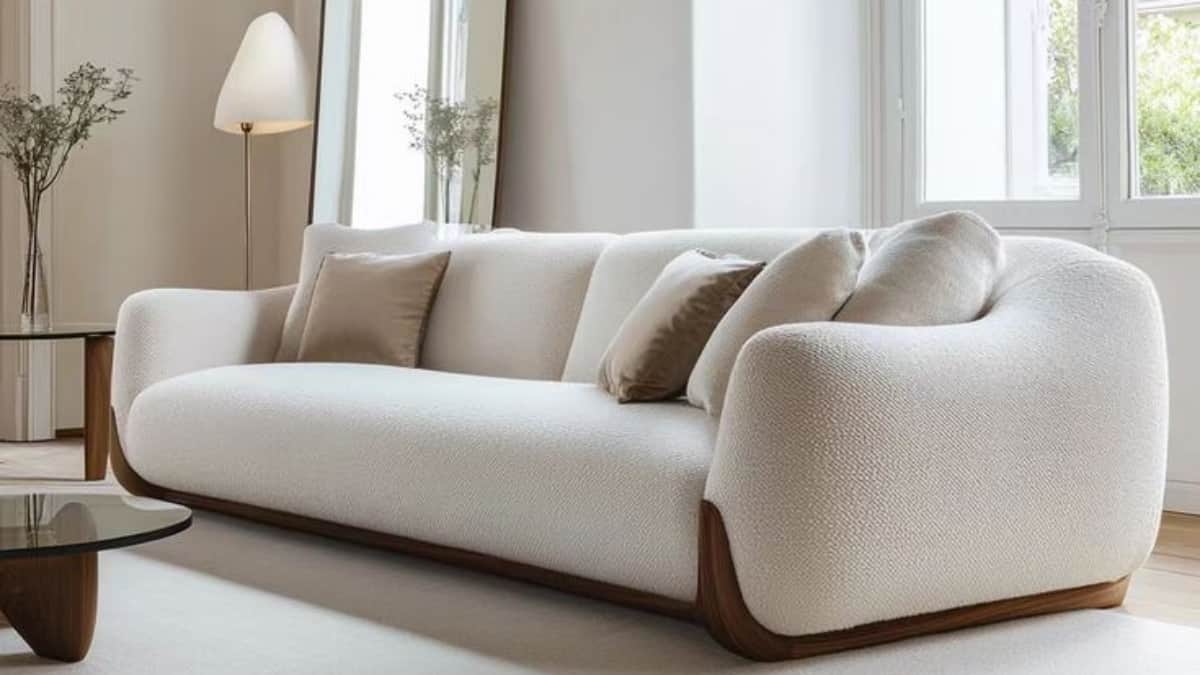
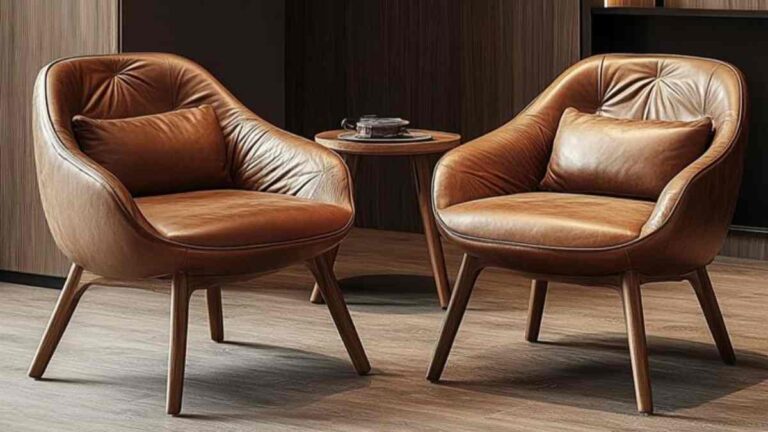
Nappa Finish: My go-to for luxury furniture. It’s buttery and soft.
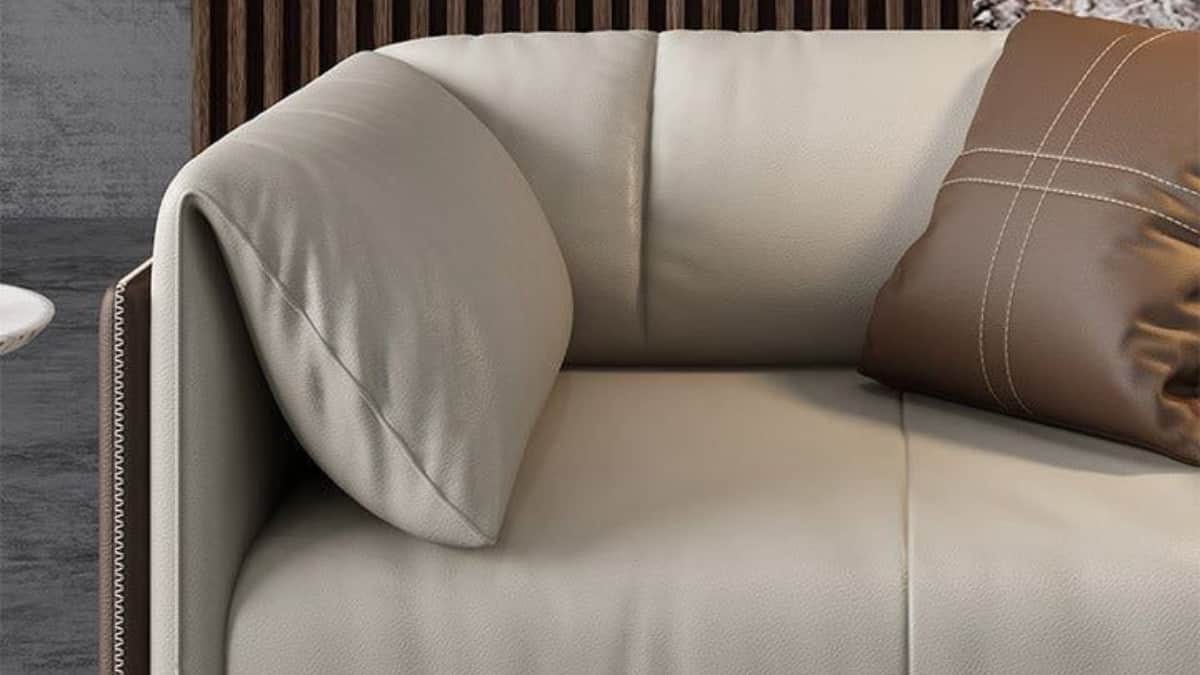
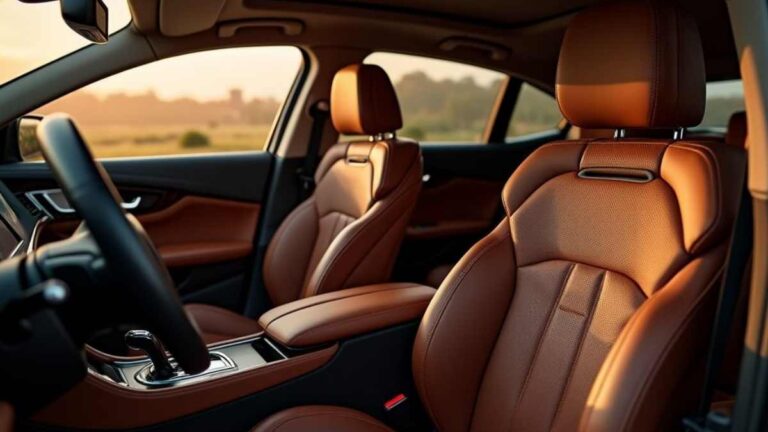
Pebble Grain: The real workhorse for silicone leather for upholstery. It’s rugged and hides the daily wear and tear from pets or kids.
3. The Backing: Don’t Ignore the “Hidden” Layer
Everyone looks at the surface first, but it’s the backing that really carries the load. If you’re developing silicone leather for shoes, you need a microfiber base so it can breathe and flex. On the flip side, if you’re doing theater seating, you need a heavy-duty knit so the seats don’t start sagging after a few months.
Backing Choice
Best For…
Why?
Microfiber
Bags & Shoes
Incredibly tough but still feels natural.
Polyester Knit
Home Furniture
It “bounces back” so your cushions don’t get wrinkly.
Spandex
Gadget Covers
It stretches around corners without snapping.
How It Handles “Real Life” (The Stuff Clients Care About)
I recently had a client ask me about the “Blue Jean Problem.” You know the one—where a guest sits on a white sofa in new jeans and leaves a blue stain that’s there forever.
With PU or PVC, you’re basically stuck with that stain. But because durable silicone leather has such low surface tension, the dye can’t really “grab” onto it. You can literally wipe the marks off with a damp cloth. It’s an easy-clean silicone leather that makes life a lot easier for hotel staff and homeowners alike.
Let’s Talk Data (Because Proof Matters)
I don’t expect you to just take my word for it. In this industry, we rely on the “Martindale” and “Wyzenbeek” tests to see how much abuse a fabric can take. While most “high-quality” PU leathers start falling apart at 50,000 rubs, our silicone leather at Shalite consistently clears 200,000 rubs with zero damage.
The “Green” Factor: It’s Not Just a Buzzword
I get a lot of questions about being “eco-friendly” lately. Let’s be real here: most “vegan leathers” are just fancy plastic. They often use heavy solvents like DMF that are pretty terrible for the people on the production line.
Our eco-friendly silicone leather is different. It’s made from silica (sand), which is much more sustainable. We don’t use plasticizers, no phthalates, and definitely no toxic off-gassing. When you open a box of Shalite material, you won’t smell a thing. To me, that’s what “low VOC” actually looks like in the real world.
Best Practice: If you’re designing for a hospital or a nursery, definitely check the VOC reports. If the material has that “new car smell,” it’s usually releasing chemicals you probably don’t want near kids or patients.
How to Start Your Project Without the Stress
If you’re ready to move away from materials that keep failing you, here is how I suggest you start:
Specify the Backing: Tell us if the material needs to stretch or stay rigid.
Think about “Crocking”: If you’re mixing dark and light colors, let us know so we can optimize the top coat.
Get a Sample: We offer oem silicone leather samples. Touch it, stretch it, and try to stain it. You’ll see the difference immediately.
FAQ (What my big clients always ask)
1. Why does silicone cost more than PU or PVC?
Fair question—I hear this one all the time. Actually, the raw material (silica) is just more expensive than petroleum. But think of it this way: if you use PU and it peels in two years, you have to pay for the material and the labor to redo the whole job. Silicone is a “one and done” investment that saves you a fortune over time.
2. Can I really clean it with bleach?
100%. Traditional synthetic fabrics tend to go brittle and split when exposed to bleach or harsh wipe-downs, but silicone is chemically inert, so the surface won’t break down. That’s why it became the gold standard for hospitals—it takes harsh medical disinfectants day in and day out without failing.
3. Is it truly sustainable or just “greenwashing”?
It’s legitimate. A lot of “vegan leather” products on the market are just standard petroleum plastic with better marketing. We run a completely solvent-free coating process to manufacture our pvc-free silicone leather. PVC is notorious for environmental damage, whereas silicone remains stable over time and won’t leak toxins into the soil when disposed of.
4. Does it get too hot to sit on in the summer?
No, it actually stays surprisingly manageable. Because silicone has very low thermal conductivity, it doesn’t trap heat the way standard dark PVC does. If you’ve ever had to sit on a scalding black vinyl seat left in the midday sun, you’ll feel the difference immediately with silicone.
5. We have a very specific “grain” we need to match. Can you do that?
Yes, we do this all the time. Our factory builds custom embossing rollers tailored to match any specific leather grain or fabric-like weave you need. Mail us a physical sample of the pattern, and our team will match the tooling directly to your specs.