Why your hotel furniture is peeling and how silicone leather fixes it
If you want a way out of this cycle, you need silicone leather. It is the only eco-friendly leather alternative that actually stands up to the chaos of a busy hotel while staying soft to the touch.
Look, I’ve walked through enough hotel lobbies to know exactly when a procurement manager is about to have a very bad year. You see those beautiful, sleek white “leather” chairs in the sun-drenched atrium? They look amazing on opening day. But if those are made of PU or vinyl, I can tell you right now: they won’t last eighteen months. They’ll yellow, they’ll start to crack, and eventually, that top layer will flake off like a bad sunburn.
I’m a solutions expert at Shalite and I’ve spent way too much time watching high-end furniture end up in a landfill because the material couldn’t handle real life. If you want a way out of this cycle, you need silicone leather. It is the only eco-friendly leather alternative that actually stands up to the chaos of a busy hotel while staying soft to the touch.
The “Florida Sun” test: Why traditional synthetics fail
A few years back, I worked with a resort owner in Miami. He was frustrated. He’d spent a small fortune on PU (polyurethane) lounge chairs for his indoor-outdoor bar area. Within six months, the salt air and the constant cleaning with heavy-duty disinfectants had turned the fabric brittle. It was a disaster.
The problem is the chemistry. PU and PVC are carbon-based polymers. They rely on things called plasticizers to stay flexible. Over time—especially with heat, sun, or cleaning chemicals—those plasticizers leak out. Once they’re gone, the material dies.
Silicone-based leather is a different beast entirely. It’s made from silica, which is basically sand. It’s inorganic. It doesn’t have plasticizers to lose so it stays soft and flexible for a decade or more. It doesn’t care about the sun and it definitely doesn’t care about your cleaning crew’s bleach spray.
The benefits: Why your cleaning crew will thank you
When you’re managing a property, your biggest headaches are stains and hygiene. Let’s talk about why silicone leather products make those problems go away.
Stains just don’t stick: I’ve seen people take a permanent marker to our silicone samples. With a little bit of rubbing alcohol or even just soap and water, it wipes clean. Coffee, red wine, mustard? They don’t stand a chance.
It’s basically bulletproof against chemicals: In a post-pandemic world, everything gets doused in disinfectants. Most “leather” can’t handle that. Silicone is chemically inert. Silicones are incredibly stable and don’t react with most common cleaners.
Skin-friendly and safe: Since it’s used in medical tubing and baby bottle nipples, you know it’s safe. It’s hypoallergenic and doesn’t off-gas those weird “new car” smells that give guests headaches.
Expert Practice Tip: If you want to see if a supplier is selling you real silicone or a cheap hybrid, do the “burn test.” Cut a tiny sliver of the material and light it. Real silicone won’t really “melt” like plastic; it turns into a fine white ash. If it drips black goo and smells like a tire fire, it’s not pure silicone.
Silicone vs. The others: A quick breakdown
I like to keep things simple for my clients. Here is how the materials actually stack up when you put them in a high-traffic lobby.
Feature
Silicone Leather
Contract PU
Commercial Vinyl
Typical Life
10+ Years
2-4 Years
3-5 Years
Hydrolysis (Peeling)
Never
5-7 weeks (on test)
Varies
Cleaning
Bleach/Alcohol safe
Water only (usually)
Heavy chemicals okay
Feel
Soft and “Cool”
Sticky when warm
Rubbery
Eco-status
Excellent
Questionable
Very Poor
Sustainability isn’t just a buzzword anymore
I talk to a lot of big developers who are trying to hit LEED or WELL building standards. They are under huge pressure to ditch PVC because of the phthalates and the toxic stuff that gets released during manufacturing.
This is where Shalite really shines. Our durable silicone leather is PVC-free and doesn’t use solvents like DMF in the factory. It’s a cleaner process from start to finish. When you tell your guests that their room’s headboard is made from a material that is safe for their skin and the planet, that matters. It builds trust.
Solving the “denim dye” nightmare
We’ve all seen it: a beautiful light-gray sofa that now has a blue tint because of everyone’s jeans. This is called “dye transfer” and it’s the bane of a housekeeper’s existence.
Standard PU leather has a porous surface that sucks up the indigo dye from denim. Silicone has a very low surface energy. The dye simply can’t find a place to “grip.” You can usually wipe it off with a damp cloth. I’ve saved my clients thousands in upholstery replacement costs just by switching them to silicone for their restaurant booths.
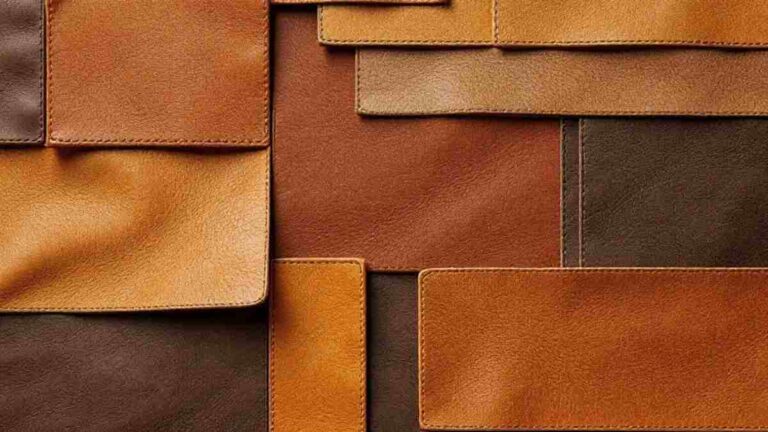
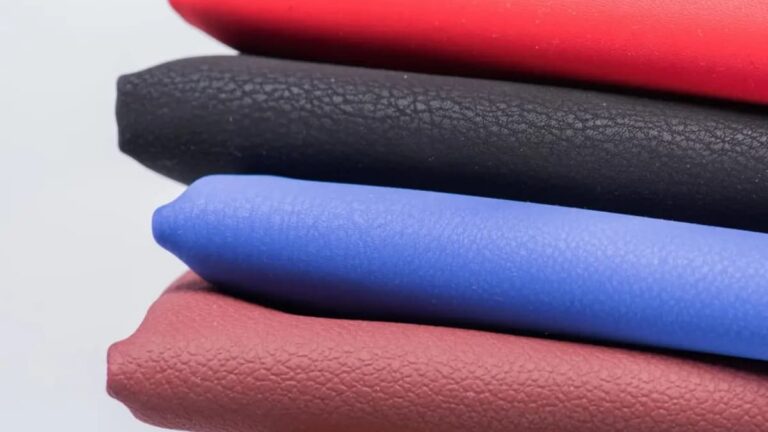
Expert Practice Tip: For restaurant seating, I always recommend a “pebbled” texture rather than a smooth finish. It’s not just about the look; the texture helps hide micro-scratches from coat zippers or bags and it makes the material even more slip-resistant for guests.
Let’s talk about the money
I know what you’re thinking. “Silicone sounds expensive.” And you’re right—it costs more on day one. But I want you to stop thinking about the “purchase price” and start thinking about the “replacement cost.”
If you buy a PU chair for $300 and it peels in three years, you have to pay for a new chair plus the labor to swap it out. Over ten years, that one chair spot has cost you nearly $1,000. If you buy a silicone leather chair for $400 and it lasts the full ten years, you just saved $600. Multiply that by 500 rooms and you’re looking at a massive impact on the bottom line.
How to get started with Shalite
If you are ready to stop wasting money on materials that fail, here is how I suggest you move forward:
Get samples: Don’t just look at a screen. You need to feel the “soft touch” of the material.
Pick your backing: This is important. For soft guest room chairs, ask for a microfiber backing. For heavy-use lobby benches, go with a high-stretch polyester knit. It changes how the material behaves under stress.
Check for oem silicone leather options: If you have a specific brand color, we can match it. Just keep in mind that custom colors take a bit more time to get perfect in the lab.
Why the “feel” matters for luxury
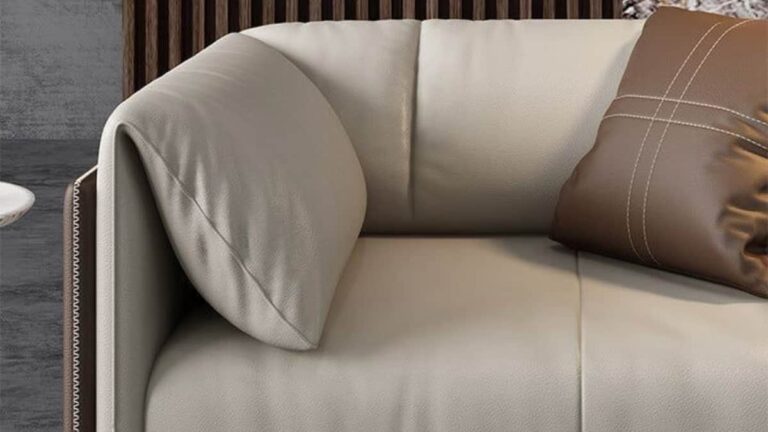
One thing that often surprises my clients is how silicone feels. Most synthetic leathers feel like, well, plastic. They get hot and sticky in the summer. Silicone has a “cool” touch. It feels much more like an expensive calfskin than a lab-grown material. For a luxury hotel, that sensory experience is everything.
FAQ: What the big property owners want to know
1. Is silicone leather truly environmentally friendly?
Yes, and here is why. Most synthetic leathers use solvents like DMF (Dimethylformamide) during production which are nasty for the environment and the workers. Silicone production is solvent-free. It’s also much more durable so you aren’t throwing furniture into a landfill every three years. It’s a win for your sustainability report.
2. How does it handle heavy-duty disinfectants?
It’s a champ. You can use 10% bleach solutions or 70% isopropyl alcohol without worrying about the color fading or the surface cracking. This is a huge deal for hotels that have strict sanitation protocols. It’s been tested against standard medical-grade cleaners and passes with flying colors.
3. Will the material get “sticky” over time?
No, not at all. That sticky feeling on old vinyl or PU comes from breaking down plasticizers over time. Silicone doesn’t contain these chemicals, so it stays smooth and dry for as long as you use it.
4. Can we use this for outdoor poolside furniture?
Definitely. Silicone is naturally UV-resistant, so it won’t yellow or crack in the sun like PU does. It’s also fully waterproof and mold-resistant, making it a great fit for wet areas like poolsides or spas.
5. How does it compare to genuine leather in terms of cost?
It’s generally more affordable than top-grain real leather, but the real advantage is maintenance. Genuine leather stains easily and needs constant conditioning. Silicone offers that same premium feel without any of the hassle.