Stop Replacing Your Upholstery: Why I Only Specify Silicone Leather for High-Traffic Projects Now
If you want the honest answer to your upholstery problems, here it is. You need to switch to silicone leather. It is the only material I’ve tested that actually stands up to the chaos of a public space without looking like trash after six months. It doesn't peel, it doesn't smell, and it cleans up with a simple wipe.
I’ve seen far too many commercial projects crumble long before their time. The turning point for me was walking into a luxury airport lounge that hadn’t even been open a year. The “premium” seating was already peeling like a bad sunburn. It looked terrible for the design team, and it was a total drain on the client’s budget. That was the exact moment I lost faith in standard synthetics.
If you want the honest answer to your upholstery problems, here it is. You need to switch to silicone leather. It is the only material I’ve tested that actually stands up to the chaos of a public space without looking like trash after six months. It doesn’t peel, it doesn’t smell, and it cleans up with a simple wipe.
The Chemistry Secret: Why Silicone Wins
Most people think all “faux leathers” are the same but they really aren’t. PVC and PU are organic polymers. They use oils and plasticizers to stay soft. Over time, those oils leak out and the material gets brittle. That is why your old chairs crack.
Silicone is different because it is inorganic. It comes from silica (essentially sand). It doesn’t need chemicals to stay flexible so it stays soft for its entire life. I’ve used silicone leather material in humid tropical resorts and it never gets that “sticky” feeling you find with vinyl.
What the Lab Tests Don’t Always Tell You
We look at data sheets all day but you have to know how to read between the lines. I always look at the Wyzenbeek rub test first. Most commercial fabrics hit 50,000 double rubs and call it a day. Our silicone-based leather usually clears 200,000 without a single scratch.
The Test
Why You Should Care
Silicone Performance
Wyzenbeek Abrasion
How it handles people sitting and sliding.
200,000+ double rubs
UV Stability
Will it turn yellow in a window?
1,500+ hours (Grade 4.5)
Jungle Test
Does it rot in high humidity?
10+ weeks (No change)
Skin Irritation
Is it safe for kids or hospitals?
FDA 21 CFR 177.2600 compliant
My “Best Practice” for Choosing Your Grade
I’ve learned a few tricks at Shalite over the years. When you are picking your silicone upholstery material, don’t just look at the swatch book under office lights.
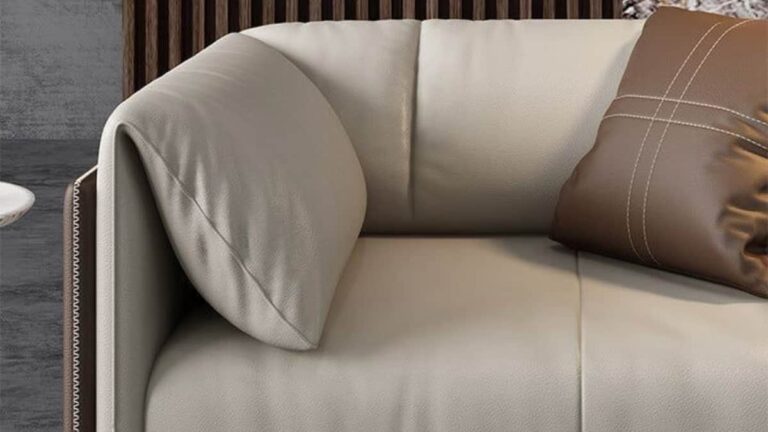
Take it outside. Silicone has a unique way of reflecting light. It looks much more like genuine leather than the “plastic” shine of PU. If you are designing a rooftop bar, you need to see how that color holds up under the sun.
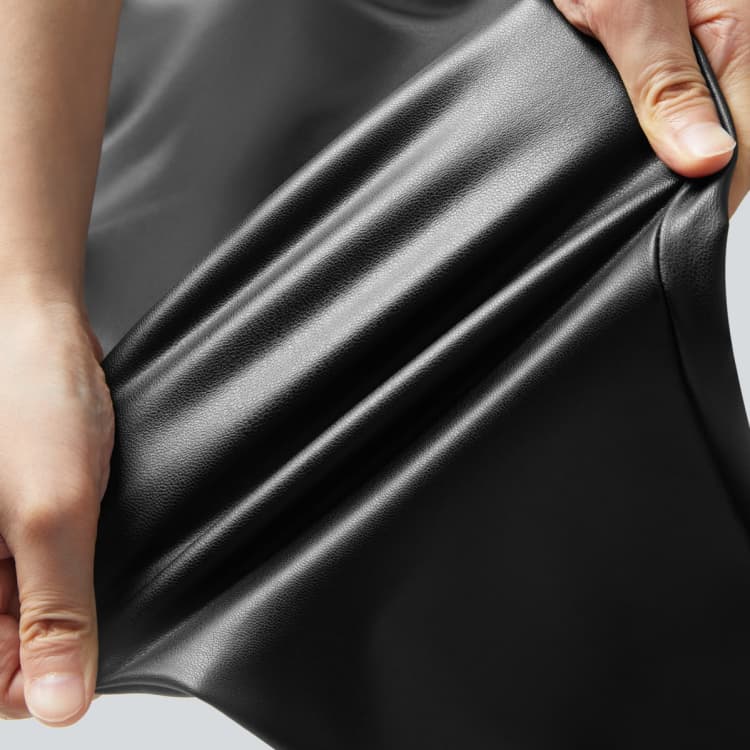
Check the stretch. If your furniture has tight corners, you need a 4-way stretch backing. I usually recommend a polyester knit for those curvy designer chairs. But if you are doing flat booth seating in a restaurant, a microfiber backing gives it a much more solid, expensive feel.
The Marker Test. Here is my favorite trick. Take a permanent blue marker and draw a line on the sample. Wait ten minutes. Then wipe it with a dry cloth. On high-quality silicone leather products, that ink will just bead up and disappear. If you have to scrub it, the silicone isn’t pure.
Solving the Hospital Maintenance Nightmare
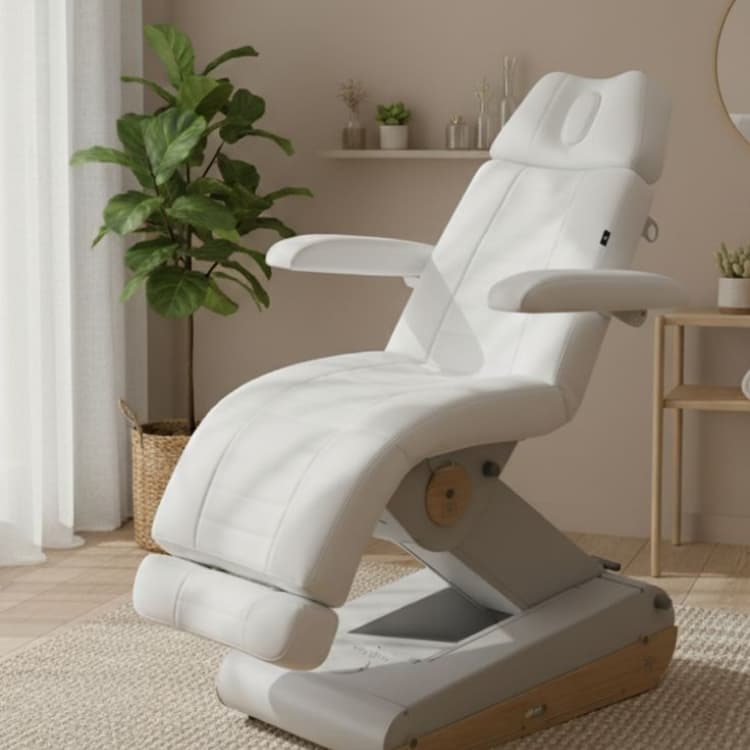
I recently worked with a clinic that was losing thousands because their disinfectant wipes were melting their chair covers. The alcohol in the wipes was literally dissolving the PU leather. We switched them to silicone leather for upholstery and the problem vanished. Silicone doesn’t react with alcohol or bleach. You can kill the germs without killing your furniture.
Why Your “Green” Clients Will Love This
If you are trying to hit LEED targets or just care about the planet, silicone is a huge win. Most synthetic leathers are a nightmare to make. They use solvents like DMF (Dimethylformamide) which is nasty stuff for factory workers and the environment.
Our process at Shalite is solvent-free. There are no VOCs (Volatile Organic Compounds) to worry about. When you walk into a room finished with our leather, you don’t get that “chemical” smell. It’s just clean air. Plus, since the material lasts ten years instead of two, you aren’t sending old furniture to the landfill every few seasons.
How to Start Your Order
Don’t just buy a roll and hope for the best. Reach out to us about the specific “hand” you’re looking for—we can easily adjust the thickness from 0.8mm for wall panels up to 1.5mm for heavy-duty theater seating.
In fact, I usually suggest starting with a custom color match. Share your brand’s Pantone code, and we’ll bake it straight into the silicone. That way, the color is actually part of the material itself—so it won’t fade or wash off. It isn’t just painted on top.
FAQ: What the Big Buyers Ask Me
1. Is it really more eco-friendly than “plant-based” leathers?
A lot of “plant-based” leathers still use a high percentage of plastic to stay durable. Silicone is made from sand and it’s completely solvent-free. It lasts way longer than corn or pineapple leather so the environmental footprint over ten years is actually much smaller.
2. How does it handle extreme cold?
I’ve sent this material to ski resorts in the Alps. It doesn’t get stiff or crack even at -40 degrees. Most PVC will shatter like glass at those temperatures but silicone stays flexible.
3. Will the color fade if it’s used on a cruise ship or by a pool?
No. Silicone is naturally UV resistant. We’ve tested it for thousands of hours under intense light. It’s also salt-water resistant so it won’t peel or bubble like marine vinyl often does.
4. Can you make it look like real animal hide?
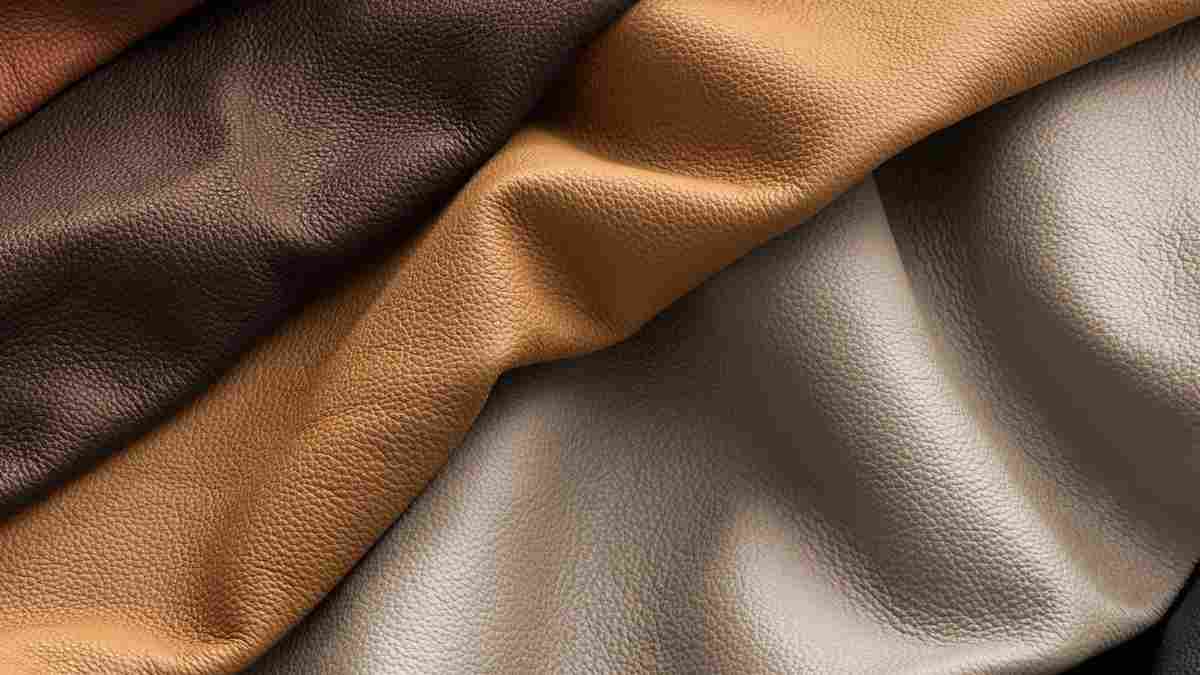
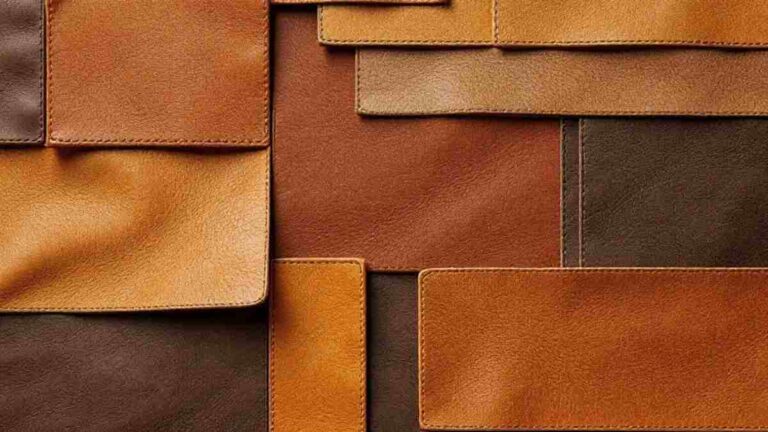
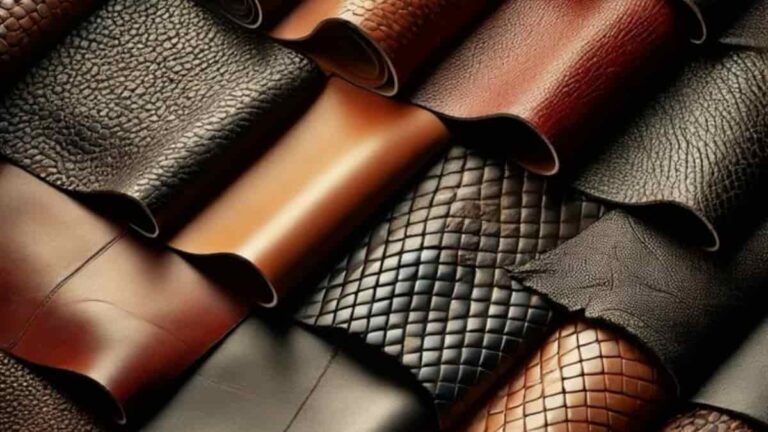
Yes. We have dozens of textures. We can do anything from a smooth “Nappa” finish to a heavy “Pebble” grain. Because the silicone is embossed while it’s being cured, the texture is permanent and won’t wear flat over time.
5. What is the lead time for custom colors?
Since we are the factory, we can usually turn around a custom color sample in 7 days. Once you approve it, we can hit full production in about 2-3 weeks. We move fast because we know your project timelines are tight.