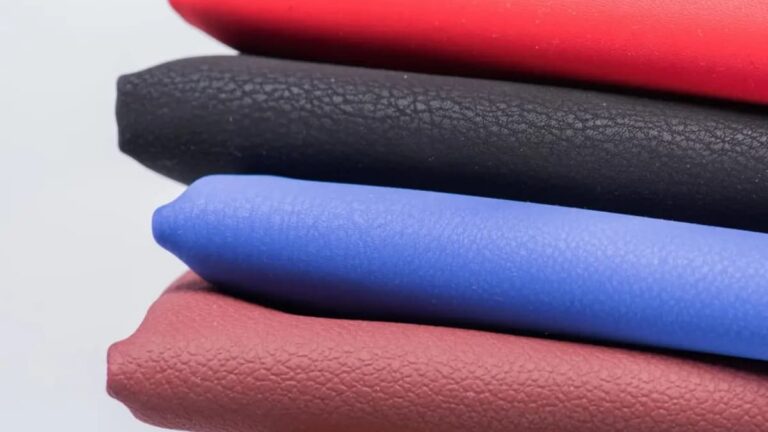
Stop Replacing Your Upholstery Every Two Years: Why Silicone Leather is the Smart Procurement Play
Choosing the right material is about protecting your reputation as much as your budget. I’ve seen too many good designers get burned by cheap materials that didn't hold up. Don't let that be you. If you’re ready to see the difference for yourself, let's talk and get some samples in your hands. At Shalite, we’re ready to help you spec the perfect silicone-based leather for your next big win.
I’ve spent years walking through hotel lobbies, hospital wings, and corporate offices. You know what I see more often than I’d like? Beautifully designed spaces ruined by cracked “vegan leather” or stained vinyl. It’s a procurement nightmare. You save 20% on the initial purchase only to spend 200% more on labor and replacement two years later.
As a solution expert at Shalite, I’m here to tell you that the math on traditional synthetics just doesn’t add up anymore. Let’s talk about why silicone upholstery material is becoming the gold standard for high-stakes commercial projects.
Why it actually lasts: The “Set It and Forget It” factor
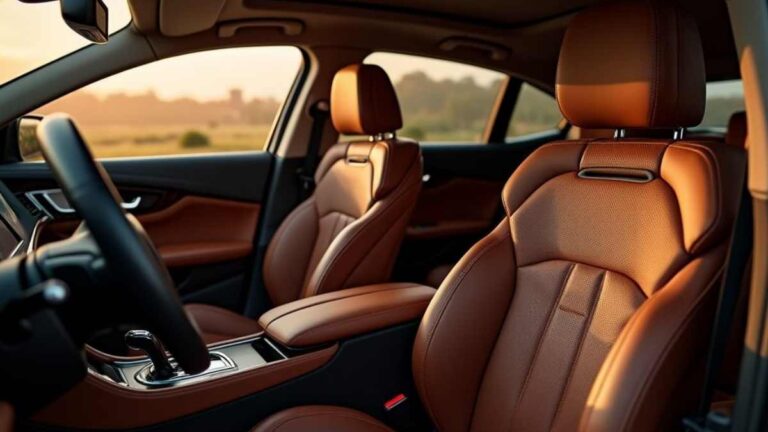
Usually, synthetic leathers like PVC or PU need plasticizers to keep them from getting stiff. Think of these like oils that eventually dry out and “leak” away from the material over time. That’s exactly why your car seats get brittle in the winter or start showing those ugly cracks in the summer heat.
Silicone is a different beast entirely. It’s derived from silica—basically, refined sand. It stays soft because that’s its natural state, not because of added chemicals. When we act as a silicone leather manufacturer, we aren’t just making a cover; we’re engineering a surface that is chemically inert. It doesn’t react with the environment, and that is where your ROI comes from.
Hard Data for the Technical Minds
I know procurement leads love a good spreadsheet. Here is the reality of how our materials perform when the “honeymoon phase” of a new building is over.
Performance Metric
Shalite Silicone Leather
High-End Polyurethane (PU)
Commercial Vinyl (PVC)
Real-world Lifespan
10+ Years of heavy use
3-5 Years
2-4 Years
The “Jungle Test”
14+ Weeks (Zero peeling)
5 Weeks (Typical failure)
3 Weeks
Skin Sensitivity
Hypoallergenic & Safe
Moderate Irritant
Contains Phthalates
Stain Removal
Permanent marker wipes off
Permanent Stain
Needs harsh solvents
Fire Safety
Inherently flame retardant
Needs chemical additives
Needs chemical additives
Real Talk: The Environmental Cost of “Cheap”
Let’s be honest. Most “vegan leathers” are just fancy marketing for plastic. They are loaded with PVC and heavy metals. If your project has strict sustainability goals, those materials are a liability.
pvc-free silicone leather is the only option that actually delivers on the “eco-friendly” promise. It doesn’t off-gas. It doesn’t contain formaldehyde. When you walk into a room outfitted with Shalite products, you don’t get that “new car” chemical smell. You just get clean air. This is a massive selling point for LEED-certified buildings and modern healthcare facilities.
Pro tip from the factory floor: Flip over your samples. You’re looking for a backing—maybe microfiber or polyester—that’s thermally bonded, not just held together with cheap glue. If that bond is weak, the material is going to delaminate (peel apart) the moment it sees real use. High-quality silicone leather doesn’t cut corners here.
Why the smart money is on silicone (even if the budget meeting is tough)
I know the initial quote might look high compared to vinyl. But to be honest, focusing only on the “sticker price” is a total rookie mistake.
Think about a cruise ship. If those dining hall seats start cracking, you aren’t just fixing one chair—you’re looking at a logistical nightmare and a massive bill for a full refit. By choosing custom silicone leather from the start, you eliminate the “hidden” costs of downtime and repairs. This material is built to endure the worst environments.
A Case of “Ink and Regret”
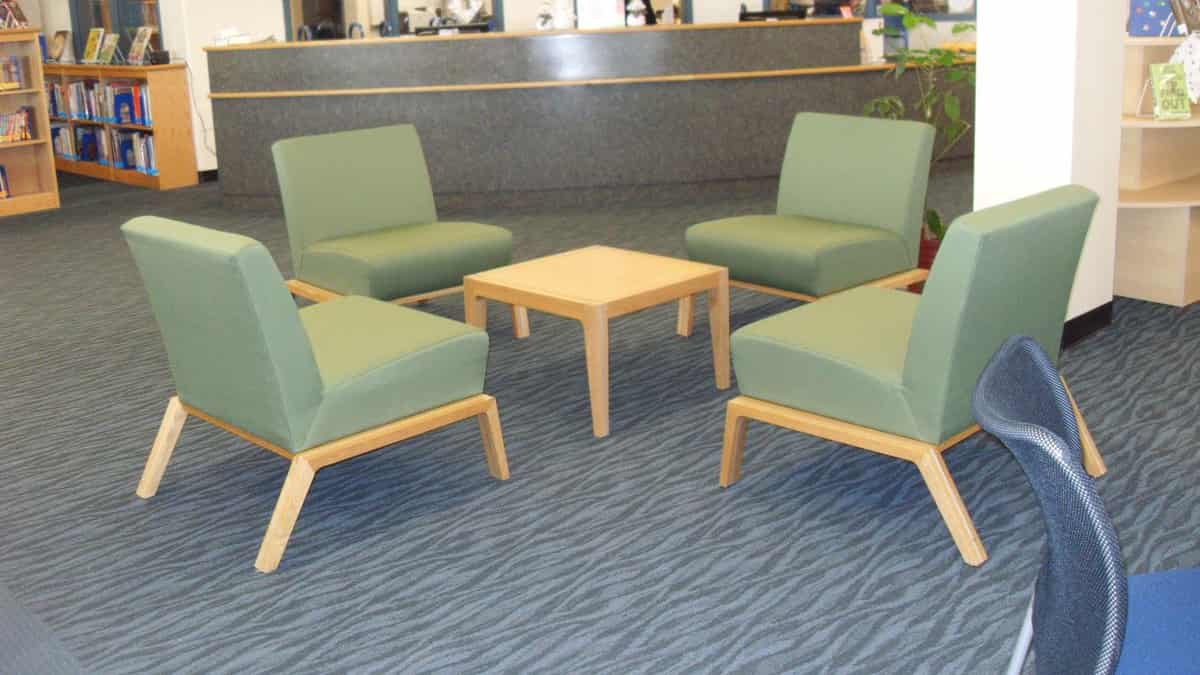
We recently worked with a major university library. They had spent a fortune on white PU leather chairs. Within a month, student jeans had “blue-bled” onto the seats, and ink stains were everywhere. The PU was ruined. We swapped them for our easy-clean silicone leather. Now? The janitorial staff just uses a damp cloth and occasionally a bit of soap. The chairs still look pristine three years later.
Customization Without Compromise
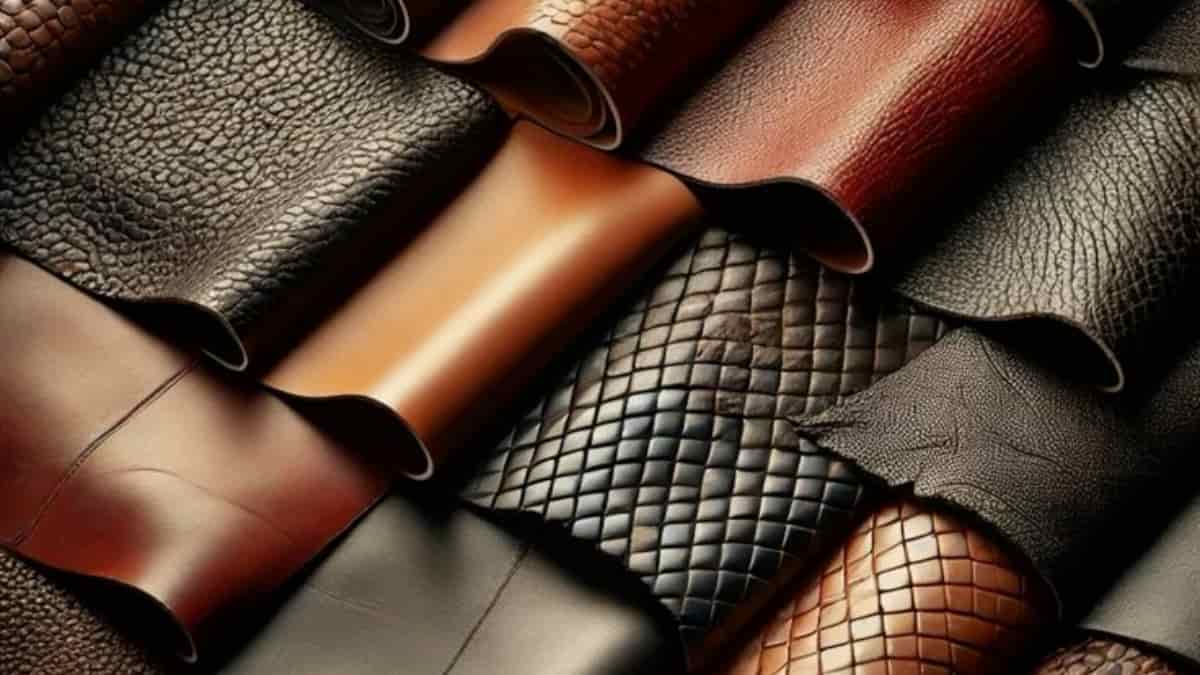
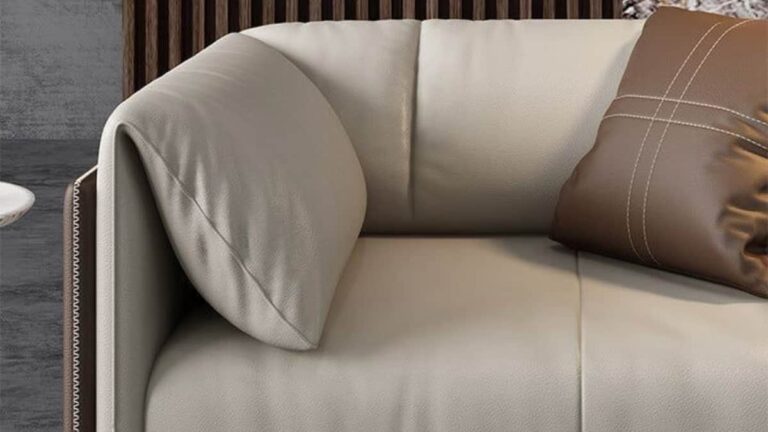
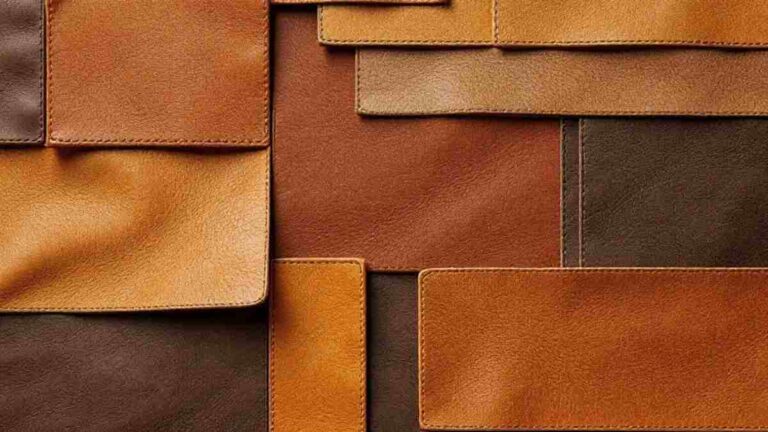
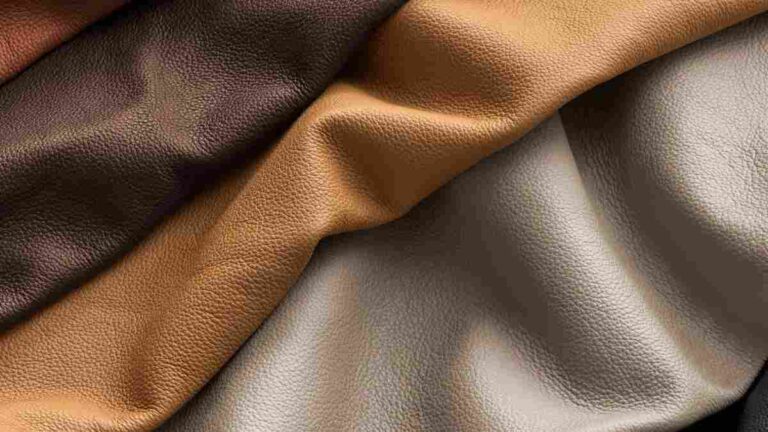
One worry I hear from designers is that silicone might look “rubbery.” That’s a myth from ten years ago. Today, we can dial in the haptics to feel like anything from buttery lambskin to a technical matte finish.
If you need a specific brand color, we offer custom color silicone leather that stays vibrant even under direct UV light. It won’t yellow. It won’t fade.
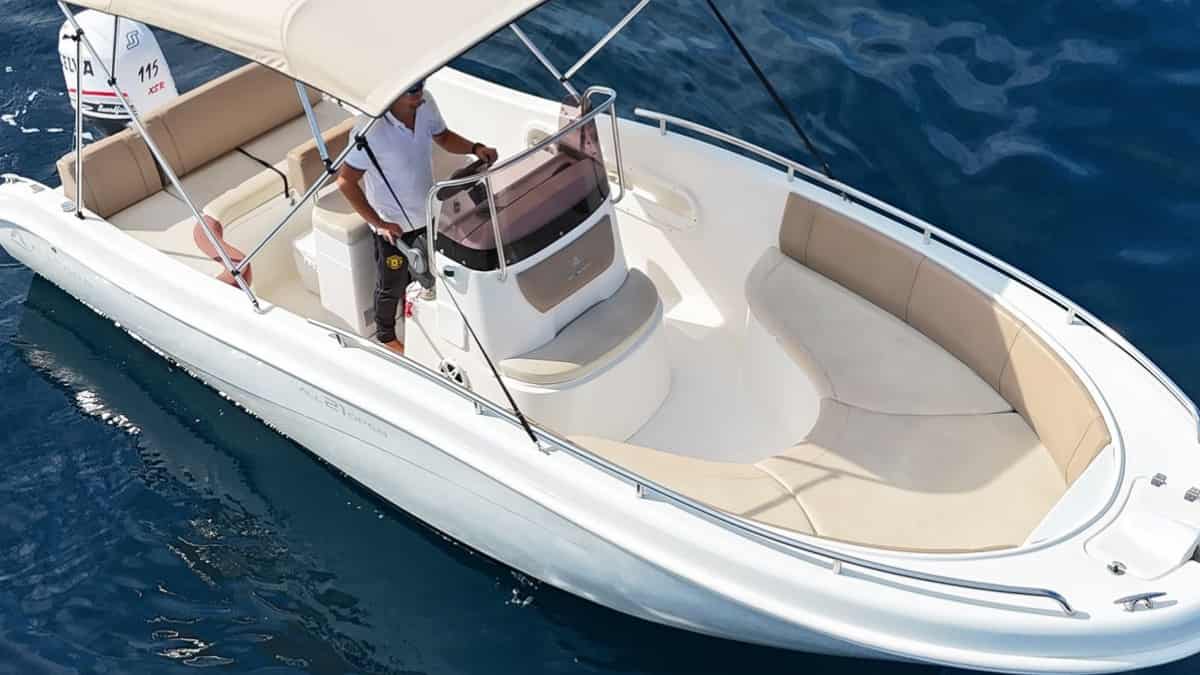
Best Practice: Specifying for outdoor or marine work? Ask for UV-stabilized silicone. Standard silicone handles the sun well enough on its own, but marine-grade blends are built differently—they pack extra defense against salt spray and brutal heat.
FAQ: What the Big Buyers Ask Us
1. Is silicone leather actually breathable for seating?
Actually, it’s really comfortable. You know that “sitting on a plastic bag” feeling you get with PVC? Silicone doesn’t do that. It has way better thermal conductivity, so it won’t feel sticky in a heatwave or like a block of ice in the winter. It basically adjusts to your body temp much faster than those old-school synthetics.
2. How does it handle the heavy-duty cleaners used in hospitals?
This is where silicone really shines. Most PU leathers die when they touch 70% alcohol or bleach. Silicone is chemically stable. In many cases, you can scrub it with hospital-grade disinfectants every single day and it still won’t lose its shine or structural integrity.
3. What about those “green” certificates for international tenders?
In many cases, our clients are chasing carbon-neutral or “well-being” focused layouts. Since Shalite silicone leather hits REACH and RoHS standards—totally free of lead, phthalates, or heavy metals—it’s really the only logical way to go.
4. Can I get a specific texture for my brand?
Yes. As a silicone leather manufacturer, we can emboss almost any texture you can imagine, from super fine grains to bold geometric patterns. We work directly with your design team to make sure the “touch” matches your brand’s luxury or technical aesthetic perfectly.
5. How does it hold up against pets or sharp objects in public spaces?
It has incredible “tear strength.” While nothing on earth is 100% knife-proof, silicone is much harder to puncture or scratch than your average vinyl. It’s why it’s frequently used in high-traffic areas like airports and public transit.
Final Thoughts: Making the Leap
Choosing the right material is about protecting your reputation as much as your budget. I’ve seen too many good designers get burned by cheap materials that didn’t hold up. Don’t let that be you. If you’re ready to see the difference for yourself, let’s talk and get some samples in your hands. At Shalite, we’re ready to help you spec the perfect silicone-based leather for your next big win.