Stop Replacing Flaky PU: A Technical Guide to Choosing Silicone Leather That Actually Lasts
Choosing a material is a technical decision that impacts your bottom line for years. Don't get distracted by the lowest price because the "cost of failure" is always higher. Whether you are building furniture or high-tech gear you should be looking at silicone as the long-term solution.
I’ve spent the last twelve years walking through furniture factories and automotive assembly lines and I’ve seen the same depressing sight over and over. Thousands of dollars worth of “high-end” seating ends up in a landfill because the synthetic leather started peeling after just eighteen months. Most of the time it is PU or PVC failing under the sun or getting ruined by basic cleaning chemicals. If you are a purchasing manager or a technical lead you know that “cheap” material costs you a fortune in warranty claims and brand damage.
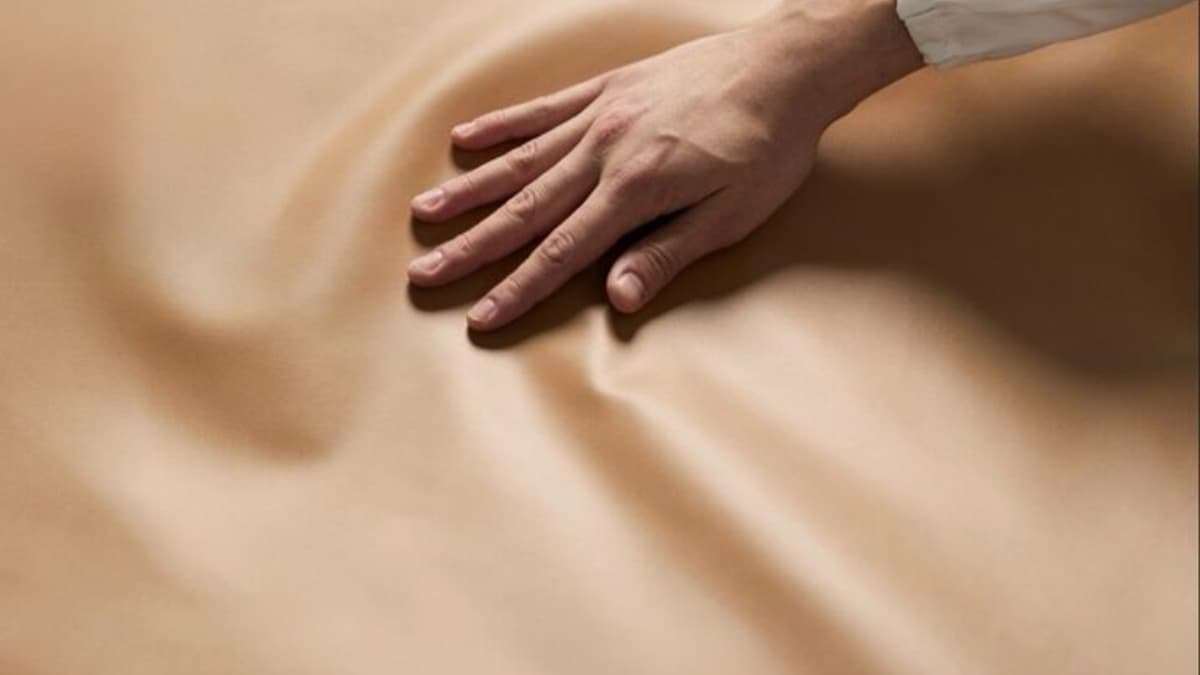
The final answer to this mess is simple. You need to switch to silicone leather material because it doesn’t use the plasticizers that cause other synthetics to fail. It stays soft and it doesn’t crack and it handles chemicals that would melt a standard vinyl chair. At Shalite we focus on solving the longevity gap that has plagued the industry for decades.
Why Your Current Material is Probably Failing
Let’s be real for a second. Most synthetic leathers are just a sandwich of plastic and glue. PVC is hard so manufacturers add “plasticizers” to make it feel like leather. Over time those chemicals evaporate or “migrate” out of the material. That is why old car seats feel stiff or sticky. PU (polyurethane) is a bit better but it hates humidity. It undergoes something called hydrolysis where the moisture in the air literally breaks the chemical bonds.
Silicone is a different beast entirely. It’s made from silica which is basically sand. It doesn’t need those oily additives to stay flexible so there is nothing to “leak out” over time. When I talk to engineers I tell them to think of silicone as an inorganic polymer. It doesn’t care about UV rays and it doesn’t care about humidity.
The Secret is in the Backing
When you start looking for custom silicone leather you’ll notice everyone talks about the top coat. But the “soul” of the material is the backing fabric. I’ve seen great silicone coatings fail because the factory used a cheap backing that didn’t have enough dimensional stability.
Choosing the right “Skeleton”
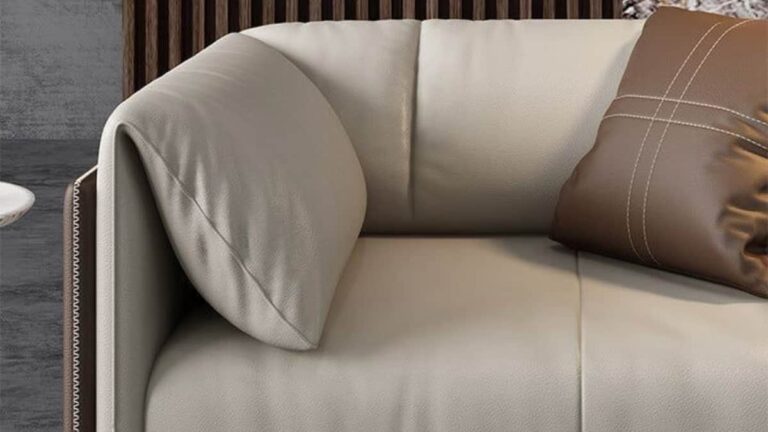
Polyester Knit: This is the go-to for furniture. It has a bit of stretch so it wraps around corners without wrinkling.
Microfiber: If you want that premium heavy feel for car interiors go with microfiber. It makes the silicone feel thick and expensive.
Spunlace: This is a budget-friendly option but it’s thinner. I usually recommend this for smaller items like electronic cases or decorative panels.
The seam strength of a fabric is largely determined by the backing construction. If you use the wrong one for a high-traffic sofa the stitches will eventually “pull” and ruin the look.
Let’s Talk About the “Torture Tests”
If you are a technical buyer you don’t care about “marketing speak.” You care about data. When we test our materials at Shalite we look at three specific metrics that usually kill standard upholstery.
1. The Wyzenbeek Method
This test involves a machine rubbing a piece of cotton duck or wire screen back and forth over the material. Standard commercial grade is usually 50,000 double rubs. My experience shows that high-quality pvc-free silicone leather can easily pass 200,000 or even 300,000 cycles. It is almost impossible to wear through it with normal use.
2. The Sun Test (UV Stability)
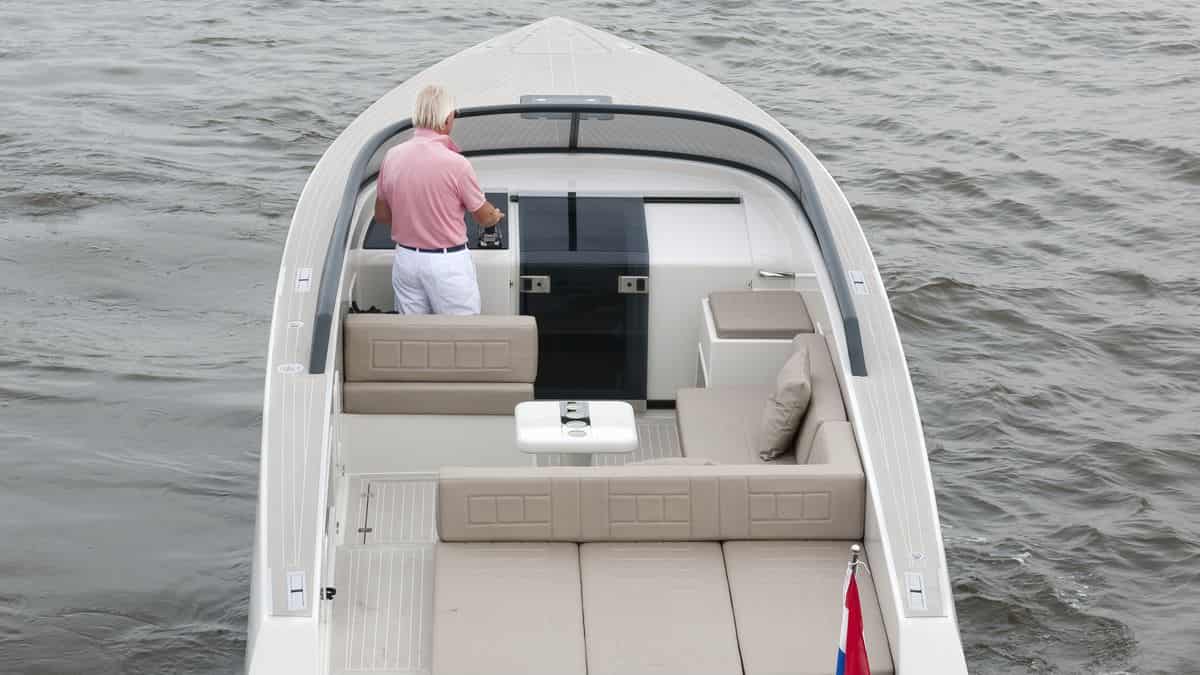
PVC and PU hate the sun but silicone loves it. We put our materials through a Xenon Arc test for over 1,000 hours. While a PVC sample might turn yellow and crack after 200 hours the silicone sample looks exactly the same. This is why marine silicone leather is becoming the standard for luxury yachts in Florida and the Mediterranean.
Test Type
Requirement
Shalite Silicone Result
Colorfastness to Light
AATCC 16.3 (200 hrs)
Grade 5 (No Change)
Flammability
FMVSS 302
Self-Extinguishing
Hydrolysis Resistance
ISO 1419 (Jungle Test)
10+ Weeks (Equivalent to 10 years)
Solving the “Cleaning” Nightmare
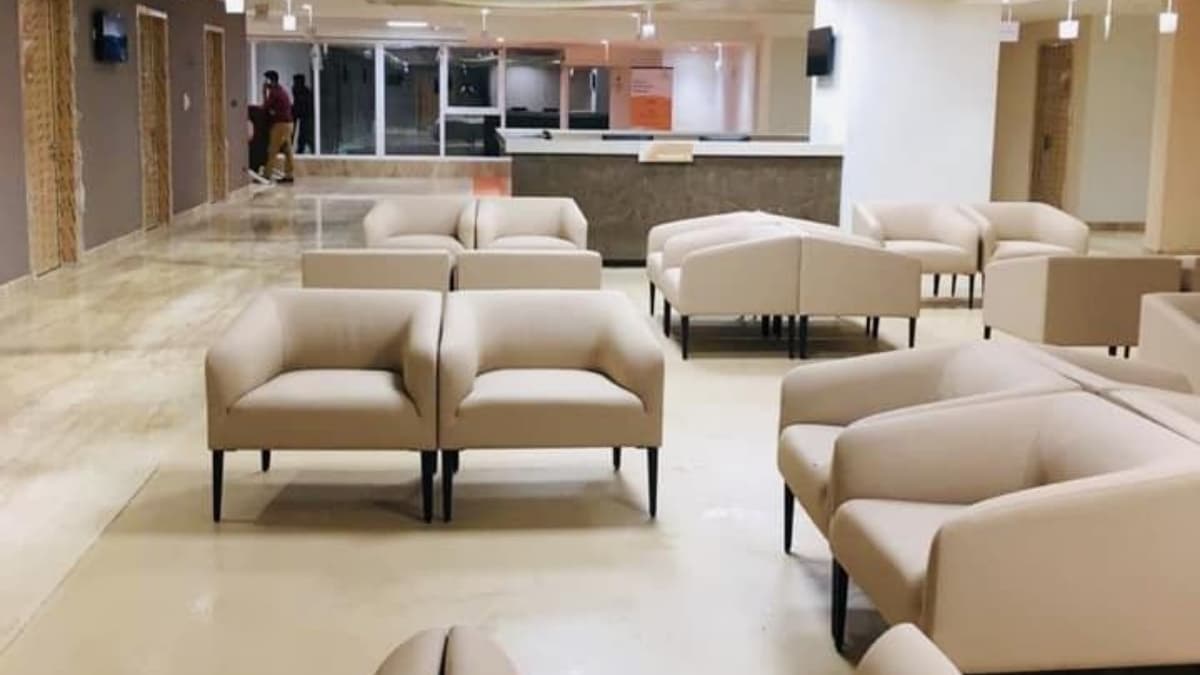
I once visited a hospital that had to replace all their waiting room chairs because the “medical grade” vinyl was peeling. Why? Because the cleaning crew was using high-strength disinfectants that were too harsh for the plastic.
Here’s the thing about easy-clean silicone leather. It is chemically inert. You can use bleach or 70% alcohol or even some harsh industrial cleaners and it won’t break down. Even more impressive is the “Ink Resistance.” You can take a permanent marker and scribble on our white silicone leather and it wipes off with just a bit of water or alcohol. It doesn’t have a “coating” that can wear off but the resistance is built into the chemistry of the material itself.
Insider Practice Tip: If you want to check if a supplier is actually selling you 100% silicone do a “Burn Test.” Take a small scrap and light it. Real silicone produces a white smoke and leaves a white, crumbly ash. If it smells like burning tires and produces black smoke then it’s a fake blend.
Why Your Sustainability Officer Will Love This
Most “vegan leathers” are actually quite bad for the environment. PVC is a nightmare to recycle and it releases dioxins. PU uses solvents like DMF (Dimethylformamide) which are toxic to workers and the environment.
At Shalite we took a different path. Our silicone leather is made with zero solvents. We don’t use water in the coating process so there is no contaminated runoff. It meets the strictest REACH and RoHS standards because it’s free of heavy metals and phthalates.
When you tell your customers that your product is “Safe for Skin” and “Environmentally Responsible” it actually means something with silicone. It is the only synthetic material that doesn’t off-gas VOCs (Volatile Organic Compounds) so that “new car smell” won’t be a bunch of toxic chemicals.
How to Get Started Without the Headache
I always tell my clients to start small. Don’t buy 5,000 yards for a new project without testing it in the real world first.
Define the stressor: Will this be outside? Will kids be drawing on it? Will it be wiped with bleach every hour?
Request a technical data sheet: Don’t just look at the color. Look at the “Adhesion of Coating” and “Tear Strength” numbers.
Run a pilot: Put a few prototypes in a high-use area for a month. You’ll see very quickly why the investment pays off.
The Cost Reality
Yes, silicone is more expensive than PU. If you just look at the invoice today you might hesitate. But if you look at the “Life Cycle Cost” it is the cheapest option on the market. If you don’t have to replace the upholstery for ten years instead of three you’ve just saved yourself a massive amount of money and logistical stress.
I’ve helped several hotel chains make this switch and their maintenance budgets dropped by 40% in the second year. They stopped paying for repairs and started focusing on growing their business. That is the power of choosing the right material from the start.
FAQ: What Our Technical Partners Always Ask
1. Is your silicone leather truly 100% solvent-free?
Yes. We use a thermal curing process rather than a solvent-evaporation process. This is why our material has zero odor and meets the highest indoor air quality standards. It is much safer for the people working in your factory and the customers using the final product.
2. Can it be used in medical facilities where they use harsh disinfectants?
Absolutely. It is one of the few materials that can withstand “Purple Top” wipes and other hospital-grade cleaners without becoming brittle. It is also inherently antimicrobial so it doesn’t provide a food source for mold or bacteria.
3. Does the material feel “rubbery” or “sticky” in hot weather?
Early versions of silicone leather had this problem but we’ve fixed it. Our current finish has a “dry” hand-feel that mimics high-end Nappa leather. It stays cool to the touch even in direct sunlight so it’s perfect for outdoor seating or car interiors.
4. How does it handle the “Denim Dye” problem?
This is a huge issue for light-colored furniture. Most PU leathers absorb the blue dye from jeans and it never comes out. Silicone is non-porous so the dye stays on the surface. You can usually wipe it off with a damp microfiber cloth.
5. What is the MOQ for custom colors or textures?
We try to be flexible but custom production usually requires a minimum. However, we have a wide range of stock colors that can be shipped immediately. If you need a specific brand match we can handle that in our lab and get you a sample in about a week.
Final Expert Insight
Choosing a material is a technical decision that impacts your bottom line for years. Don’t get distracted by the lowest price because the “cost of failure” is always higher. Whether you are building furniture or high-tech gear you should be looking at silicone as the long-term solution.
If you have a specific project in mind and need a technical opinion feel free to reach out to us at Shalite. We would rather help you pick the right material now than hear about a failure later.